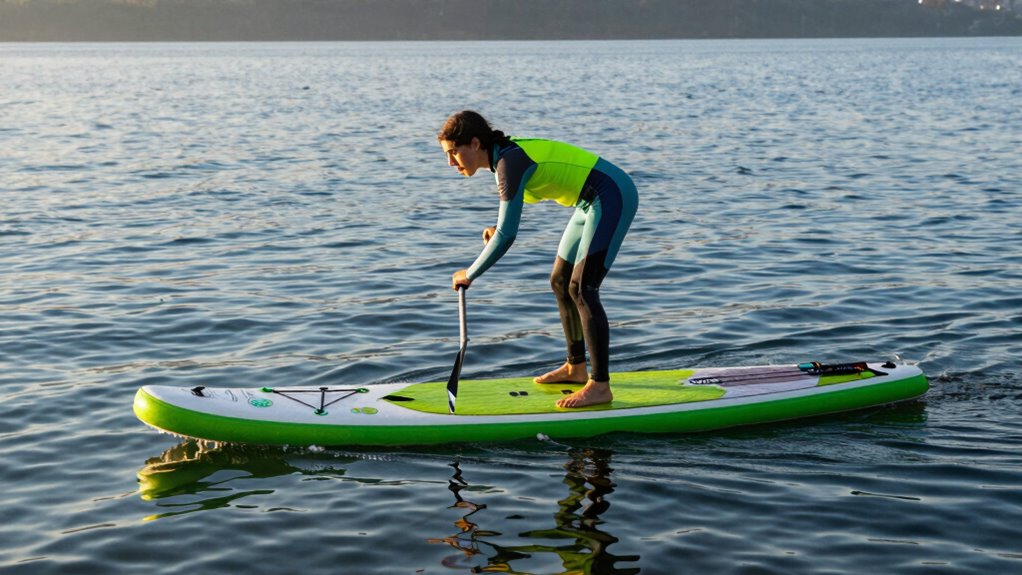

To improve your paddleboarding balance faster than practice alone, incorporate fishing techniques and adapt to environmental factors. As you cast, reel, and shift weight, your core strengthens quickly. Maneuvering windy, choppy conditions trains your stability and resilience, while sensing water and weather cues sharpens your awareness. Combining these dynamic activities with weather adjustments helps you develop better balance, control, and confidence more efficiently. Keep exploring how these methods can transform your paddling journey for better results.
Key Takeaways
- Incorporate fishing techniques to engage core muscles and enhance stability during paddleboarding.
- Practice paddling in varying weather conditions to improve adaptive balance and environmental awareness.
- Shift weight and reach while on the board to develop control and strengthen stabilizing muscles.
- Use subtle water and weather cues to refine sensory perception and anticipate balance challenges.
- Combine movement, environmental adaptation, and fishing activities for a holistic approach to faster balance mastery.
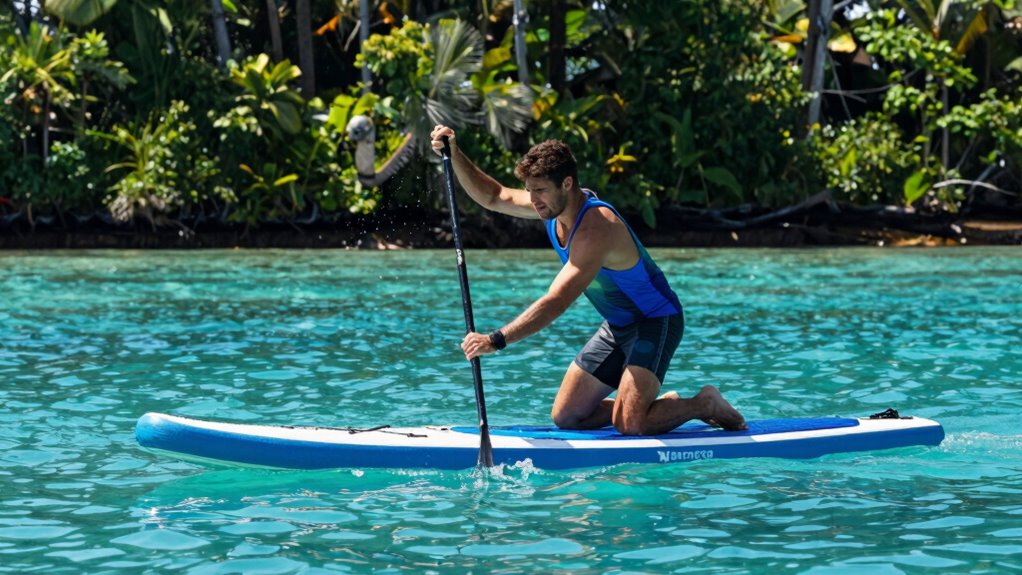
Have you ever wondered how paddleboarding can improve your balance? It’s not just about standing on a board; it’s about engaging your core, sharpening your focus, and adapting to the environment around you. When you paddle, every stroke challenges your stability, forcing you to make tiny adjustments that strengthen your muscles and improve your coordination. But to truly accelerate your progress, you need to incorporate specific activities into your routine—like practicing fishing techniques on your paddleboard. Fishing on the water requires precision, patience, and steady hands, all of which demand a high level of balance. As you cast or reel in a fish, you learn to stabilize yourself in various positions, pushing your body to adapt quickly. This active engagement makes your core stronger and your overall balance more refined, often faster than just paddling alone.
Another key factor that influences your balance development is weather considerations. When you paddle in different weather conditions, you’re constantly adjusting to changing winds, waves, and water currents. For example, paddling on a breezy day challenges your ability to stay upright, forcing you to refine your stance and improve your stability. Calm water might seem easier, but adding in gusts or choppy conditions makes your body work harder to maintain control. Over time, exposure to these variables trains your balance more effectively than practicing on still water. It’s a practical, real-world application of balancing skills that builds resilience and confidence. Plus, learning to read weather patterns and adjust your paddling accordingly teaches you to stay calm and focused, which further enhances your overall stability. Incorporating different environmental factors can also help you develop adaptive balance, a crucial skill for mastering paddleboarding in varied conditions. Recognizing the importance of environmental awareness can significantly improve your ability to navigate challenging water environments safely. Additionally, understanding how to respond to unpredictable conditions can help you develop a deeper sense of water safety, which is vital for all water sports enthusiasts.
By actively engaging with all these elements, you also enhance your sensory perception, allowing you to better sense subtle changes in water and weather that impact your balance. Combining fishing techniques and weather considerations with your paddleboarding routine creates a dynamic, engaging way to boost your balance rapidly. When you fish, you’re not just sitting still—you’re shifting your weight, reaching, and maintaining stability as you aim and reel. These movements require more control than simply paddling forward, pushing your body to develop better balance mechanics. Meanwhile, paddling in diverse weather conditions forces you to adapt quickly, developing a mental and physical agility that translates into improved stability. This holistic approach makes your progress faster and more sustainable, helping you master balance on the water in less time than traditional practice alone. So, next time you hit the water, consider integrating fishing and paying attention to weather conditions—they’re the secret weapons to enhancing your balance on your paddleboarding journey.
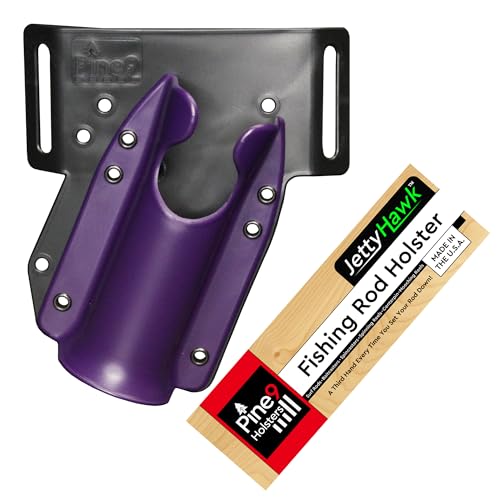
JettyHawk Fishing Rod Hip Holster, Hands-Free Quick-Draw Holder, Fits 1.5-2" Pole, for Spinning, Baitcaster, Centerpin & Surf Rods, Wading & MOLLE Belts- Purple – No Belt Clip
- Third Hand Fishing Support: Helps with knots, bait, and more
- Universal Compatibility: Fits spinning, baitcaster, centerpin reels
- Heavy-Duty Design: Suitable for freshwater and surf fishing
As an affiliate, we earn on qualifying purchases.
As an affiliate, we earn on qualifying purchases.
Frequently Asked Questions
Can Paddleboarding Improve Balance for Seniors?
Yes, paddleboarding can improve balance for seniors. It’s a fun way to do balance exercises that target core strength and stability. As part of elderly fitness routines, paddleboarding challenges your sense of balance on the water, helping you develop better coordination and muscular control. Regularly engaging in this activity can enhance your overall stability, reduce fall risks, and boost confidence in daily activities, making it a great addition to your fitness regimen.
Is Paddleboarding Safe for Beginners With No Prior Experience?
Paddleboarding can be safe for beginners if you take proper precautions. Start with the right paddleboarding gear, like a personal flotation device and a leash, to guarantee safety. Weather considerations are vital—avoid strong winds or rough waters. Always choose calm, shallow lakes or protected bays for your first experience. With proper gear, awareness, and cautious planning, you can enjoy paddleboarding safely while building your balance and confidence.
How Often Should I Paddleboard to See Balance Improvements?
You should paddleboard at least two to three times a week to see steady balance improvements. Make sure you use proper paddleboard equipment and check weather conditions before heading out. Calm, sunny days are ideal for beginners, as they help you build confidence and stability faster. Consistency is key; the more regularly you paddle, the quicker you’ll notice improvements in your balance and overall skills.
Are There Specific Paddleboarding Techniques That Enhance Balance?
You can enhance your balance by focusing on your paddle stance and grip. Keep your feet shoulder-width apart and slightly bent for stability, shifting your weight smoothly. Use a relaxed paddle grip, avoiding tightness, to improve control and responsiveness. This technique helps you stay balanced on the board, especially in choppy waters. Consistently practicing these adjustments accelerates your progress, making you feel more confident and steady on your paddleboard.
Can Paddleboarding Help With Recovery From Ankle or Knee Injuries?
Yes, paddleboarding can aid your recovery from ankle or knee injuries by improving ankle stability and promoting gentle, low-impact movement. As you balance on the board, you activate stabilizer muscles, which help prevent future injuries. Just make certain you start slowly and consult your healthcare provider before beginning paddleboarding post-injury. This activity not only accelerates recovery but also enhances overall injury prevention by strengthening supportive muscles.
Conclusion
So, step onto the surf, stay steady, and soak up the skill. Paddleboarding’s playful pace pushes you past plain practice, perfecting your balance with each paddle. By embracing this buoyant beginner’s boost, you’ll find your footing faster and feel more confident on water and land. Keep paddling, and watch your wobble weaken while your wellness widens. Immerse yourself and discover the delightful, dynamic difference paddleboarding can make—balance is just a paddle away!