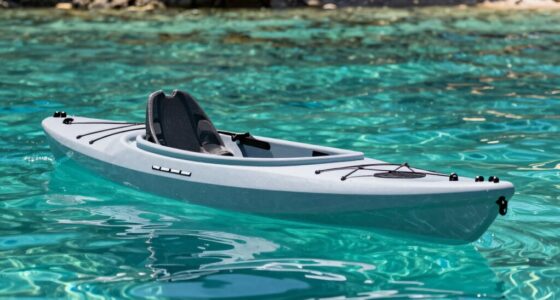
Many buyers get the size wrong because they don’t consider how many people will use the mat or where they’ll store it. Choosing a mat that’s too small can limit space and safety, while a larger one might be hard to transport. Think about your water environment, group size, and storage needs before picking. If you want to avoid these mistakes, keep exploring to find out what really matters when choosing the right size.

Get pool and patio gear delivered free with Prime
- Fast, free delivery on millions of items
- Prime Video, Amazon Music and more included
- Member-only deals all year
Key Takeaways
- Many buyers choose a size based solely on comfort, overlooking stability and safety considerations for different water conditions.
- Buyers often underestimate storage and transportation needs, selecting oversized mats that are difficult to carry.
- A common mistake is ignoring the number of users; larger mats aren’t always better if only one person uses it regularly.
- Buyers frequently neglect material durability, assuming size alone ensures safety, which can lead to choosing inadequate or unsafe products.
- Many overlook eco-friendly options and water environment compatibility, which are crucial for longevity and environmental impact.

Are you unsure about what size floating mat to choose for your needs? You’re not alone. Many buyers overlook the importance of selecting the right size, which can impact your overall experience and safety on the water. The size of your floating mat isn’t just about comfort; it’s also tied to marine safety, stability, and material durability. Picking the wrong size can mean the difference between a fun day on the water and a frustrating or even dangerous situation. Additionally, considering biodiversity and conservation principles can help you choose eco-friendly materials that minimize environmental impact.
First, consider how many people you plan to have on the mat at once. If you’re looking for a solo lounging spot, a smaller mat might suffice, but if you want to share the experience with friends or family, you’ll need a larger one. A bigger mat provides more space, allowing everyone to stretch out comfortably without feeling crowded. However, bigger isn’t always better if it becomes unwieldy to transport or store. Balance your needs with practical considerations, such as storage space and transportation.
Choose a size that fits your group and storage needs for a comfortable, safe water experience.
Material durability plays a vital role in your decision. A larger floating mat typically requires a sturdy, high-quality material to withstand regular use and exposure to the elements. Look for mats made from thick, puncture-resistant foam or reinforced PVC, which can endure rough water conditions and resist tears. Marine safety is also a key factor. A larger mat offers more stability, reducing the risk of tipping over or losing balance, especially in choppy waters. Ensure the mat has proper buoyancy, and check if it’s designed with safety features like non-slip surfaces or secure handles. Furthermore, selecting a marine-grade material can ensure better longevity and safety in aquatic environments. Additionally, choosing eco-friendly and sustainable materials can help reduce your environmental footprint while enjoying your water activities. It’s also worth considering how the size relates to the typical water conditions and environment in which you’ll be using it. Paying attention to environmental impact can guide you toward more eco-conscious choices that support conservation efforts.
Another point to consider is the environment where you’ll be using the mat. If you’re floating in calm lakes or pools, size might be less critical. But if your adventures take you into open water or windy areas, a larger, more stable mat can prevent accidents. Keep in mind, larger mats often weigh more and might be harder to carry, so think about ease of transport alongside your desired size.
large floating water mat for multiple people
As an affiliate, we earn on qualifying purchases.
As an affiliate, we earn on qualifying purchases.
Frequently Asked Questions
How Do I Measure My Pond or Lake for a Floating Mat?
To measure your pond or lake for a floating mat, first determine its length and width with a tape measure or marked rope. Make certain you account for water quality, as algae or debris may affect placement. For maintenance tips, regularly check the mat’s position and clean it to prevent buildup. Proper measurement and upkeep ensure your floating mat fits well and stays in good condition, enhancing your aquatic experience.
Can Floating Mats Be Customized to Fit Specific Shapes?
Yes, floating mats can be customized to fit specific shapes. Many manufacturers offer floating mats customization options, allowing you to create shape-specific mats that conform perfectly to your pond or lake’s unique contours. You’ll need to provide precise measurements or a template, and they’ll craft a shape-specific mat that seamlessly integrates into your environment. This guarantees ideal coverage, safety, and aesthetic appeal tailored to your outdoor space.
What Weight Capacity Should I Consider When Choosing a Floating Mat?
You should consider a floating mat with at least a 600-pound weight capacity to guarantee durability and safety. An interesting statistic is that most mats designed for multiple users last longer if they use high-quality, durable materials. When choosing, look for mats with strong material durability, which supports weight evenly, and enjoy a variety of color options to match your style. This way, you get a sturdy, personalized, and long-lasting floating experience.
Are There Safety Features Available on Larger Floating Mats?
Yes, larger floating mats often come with safety features like non-slip surfaces, reinforced edges, and secure tie-down points to prevent accidents. They’re made from durable, UV-resistant materials that withstand sun, water, and rough use. These safety features and durable materials help you stay safe while enjoying the water, giving you peace of mind. Always check the specific safety features included with your chosen mat to guarantee it meets your needs.
How Long Do Floating Mats Typically Last Outdoors?
Floating mats typically last about 2 to 3 years outdoors, but proper floating mat maintenance can extend their lifespan. The key lies in material durability; mats made from high-quality, UV-resistant materials withstand sun exposure and weather better. Regularly cleaning and storing your mat when not in use prevents damage, ensuring you get the most out of your investment. With proper care, your floating mat can serve you well for multiple seasons.
Conclusion
So, next time you’re choosing a floating mat, remember that nearly 60% of buyers get the size wrong. Don’t let this common mistake sink your fun! Always measure your space and consider how many people will use it. Picking the right size guarantees everyone stays comfortable and safe. With the right fit, you’ll maximize your relaxation and avoid the hassle of returning or replacing your mat. Embark confidently—size really does matter!
Fall Picks
fall essentials
As an affiliate, we earn on qualifying purchases.