
TL;DR

Get pool and patio gear delivered free with Prime
- Fast, free delivery on millions of items
- Prime Video, Amazon Music and more included
- Member-only deals all year
Basil bolts when it flowers and sets seed, often due to environmental triggers like heat and daylight. This article explains why it happens, how to prevent it, and what gardeners can do to maintain basil’s flavor and growth.
Many home gardeners notice their basil plants suddenly flowering and going to seed, a process known as bolting. This typically occurs as temperatures rise and daylight hours increase, signaling the plant to reproduce. Experts confirm that bolting reduces the flavor and yield of basil, making it a common concern during the peak growing season.
Basil bolting is triggered primarily by environmental factors such as high temperatures, long daylight hours, and stress conditions. When basil senses these cues, it shifts from vegetative growth to flowering, which causes the leaves to become bitter and less desirable for culinary use, according to horticultural specialists.
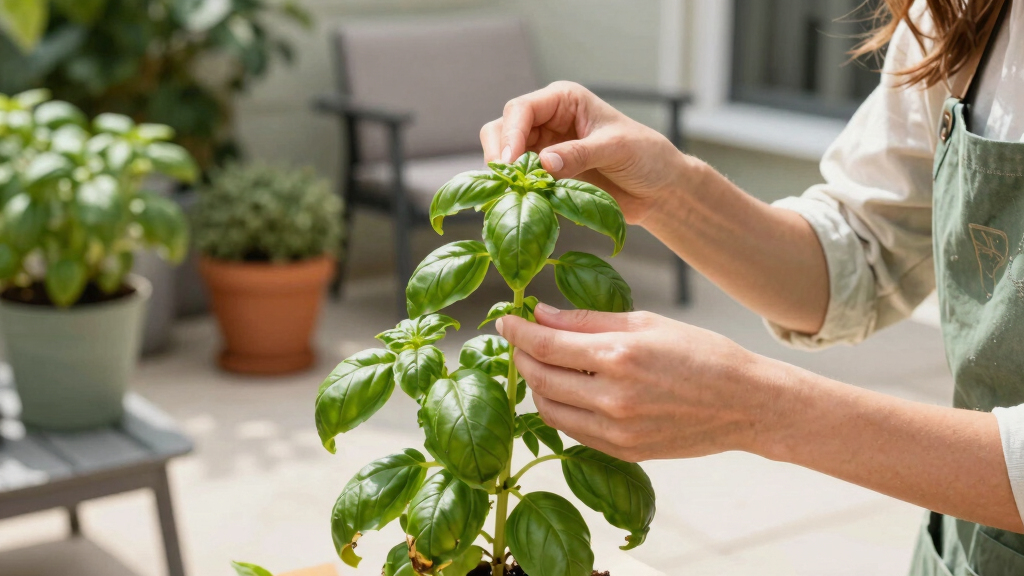
Gardeners can observe early signs of bolting, such as the appearance of flower stalks and a change in leaf texture. To prevent or delay bolting, experts recommend consistent watering, providing partial shade during hot afternoons, and harvesting leaves frequently to keep the plant in its vegetative state. Some also suggest selecting bolt-resistant basil varieties or planting at cooler times of the year.
While bolting is a natural part of the plant’s life cycle, understanding these triggers allows gardeners to better manage their basil crops, prolonging harvests and maintaining flavor quality throughout the season.
Why Basil Bolting Impacts Home Gardeners and Chefs
This matters because basil bolting directly affects the flavor and usability of the herb. When basil flowers, its leaves tend to turn bitter, diminishing its culinary value. For gardeners, bolting also means reduced harvests and the need to replant, which can be frustrating and less cost-effective. Understanding how to prevent bolting helps maintain a steady supply of fresh, flavorful basil for cooking and garnishing, especially during peak growing months.As an affiliate, we earn on qualifying purchases.
Environmental and Biological Factors Behind Basil Bolting
Basil, a warm-season herb, naturally bolts in response to environmental cues such as rising temperatures and increased daylight. This process is a survival mechanism, allowing the plant to produce seeds for reproduction. Historically, gardeners have observed that bolting occurs most frequently during late spring and summer in regions with hot climates.
Research indicates that stress factors like irregular watering, nutrient deficiencies, or damage can also hasten bolting. Some basil varieties are genetically more resistant to flowering, but environmental conditions remain the primary triggers. Gardeners have long debated whether early harvesting or specific cultivation techniques can effectively delay bolting, with varying success.
“Basil responds to environmental signals, especially heat and long days, by flowering early. Managing these factors can significantly extend the harvest period.”
— Dr. Emily Carter, horticulturist at GreenGrow Labs
Uncertainties Around Long-Term Prevention Strategies
While immediate methods like shading and frequent harvesting are effective, it remains unclear how well different basil varieties can be bred or selected for long-term bolting resistance. Ongoing research into genetic traits and environmental manipulation is still in progress, and the effectiveness of some techniques may vary based on local climate conditions.Next Steps in Managing Basil Bolting for Gardeners
Researchers are exploring breeding programs to develop basil varieties with greater resistance to bolting. Gardeners are encouraged to experiment with different planting times, shade covers, and harvesting techniques to find what works best in their regions. Experts suggest monitoring local weather patterns and adjusting cultivation practices accordingly, with updates expected as new resistant varieties become available.
Key Questions
Can I prevent basil from bolting altogether?
Complete prevention is unlikely, but you can significantly delay bolting by providing shade, harvesting regularly, and choosing bolt-resistant varieties.
When is the best time to plant basil to avoid early bolting?
Plant basil after the last frost date and during cooler parts of the season, typically late spring or early summer, depending on your climate.
Are there basil varieties that are less prone to bolting?
Yes, some varieties like ‘Genovese’ or ‘Sweet Basil’ tend to bolt less quickly, especially when grown under optimal conditions.
Does pruning affect bolting?
Regular pruning can help delay flowering by encouraging vegetative growth, but it is not a foolproof method on its own.
What should I do if my basil has already bolted?
You can remove the flower stalks to encourage new leaf growth, but the flavor may already be affected. Replanting or shading can help prolong the season.
Source: rss
Halloween Picks
halloween
As an affiliate, we earn on qualifying purchases.