
TL;DR
A Homes & Gardens report identifies seven kinds of garden plants that may face animal damage as food becomes scarcer in fall: young trees and hedges, roses and evergreen shrubs, fruit trees, soft fruit bushes, vegetables and winter greens, bulbs, and perennials. It recommends measures such as tree guards, mesh and fencing, while noting that protection should be balanced with space for wildlife.
Homes & Gardens has identified seven groups of garden plants that may need protection from animals as October progresses and winter food becomes less available: young trees and hedges, roses and evergreen shrubs, fruit trees, soft fruit bushes, vegetables and winter greens, bulbs, and perennials. The report recommends checking for signs of animal activity and using barriers such as guards, mesh or fencing to limit damage, while maintaining space for wildlife.

Get pool and patio gear delivered free with Prime
- Fast, free delivery on millions of items
- Prime Video, Amazon Music and more included
- Member-only deals all year
The report says deer may become more likely to enter gardens from late fall in search of food. Rabbits, squirrels, mice and voles also face more difficult conditions in winter, according to the article. Which animals pose the greatest risk depends on the garden and its location; the advice is to look for damage before deciding what to protect.
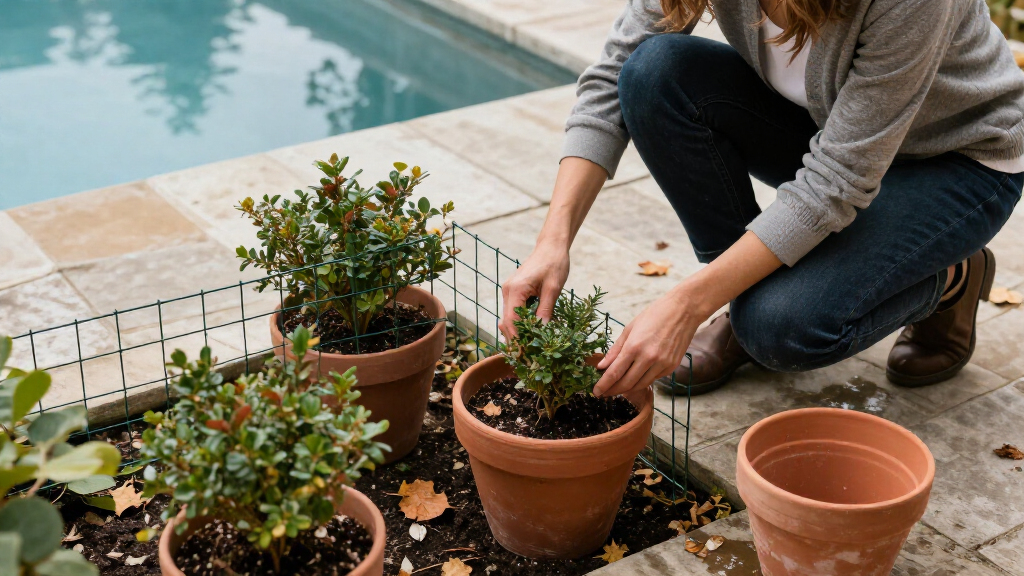
Young trees and newly planted hedges are vulnerable because they have not yet had time to establish. Rabbits can gnaw bark near the base, while deer may browse higher branches or rub against trunks. The report cites permaculture designer Elizabeth Waddington, who recommends sturdy, securely anchored tree guards or wire-mesh cylinders. Guards should be checked so they do not rub against a growing trunk. Taller fencing may be necessary where deer are a problem.
Roses and evergreen shrubs, including arborvitae, yew, rhododendrons and azaleas, may also be browsed when other vegetation is covered by snow or ice. Jacob Bradbury of Derbyshire Walling & Landscaping says deer eat roses and evergreen shrubs and advises protection at least 6 feet (1.8 metres) tall for these plants. For fruit trees, the report describes risks from deer browsing buds and bark and from rabbits, mice and voles damaging bark close to the ground. Bradbury recommends spiral guards for new trunks or mesh fencing around an area, with the mesh at least 4 feet (1.2 metres) high and its bottom six inches set into the ground.
Soft fruit bushes can be vulnerable to rodents and other herbivores feeding on stems, bark and dormant buds; the article also flags birds such as bullfinches and pigeons as potential bud eaters. Waddington says fruit cages can protect soft fruits, while mesh or sturdy polytunnels can cover cultivated beds. The source names vegetables and winter greens, bulbs, and perennials as the other groups to check, but the supplied material does not provide specific advice or detailed risk descriptions for those categories.
Preventing Damage to Young Growth
Animal feeding can do more than remove leaves or buds. Bark damage on young trees can set back their growth, and the report says rabbits stripping bark at ground level can kill trees. Protecting vulnerable plants before damage occurs may help them establish and remain productive, especially in gardens where animals regularly visit.
The guidance also matters because barriers can affect wildlife and plant growth if poorly chosen or maintained. Waddington frames protection as a balance: safeguarding valued plants while allowing wildlife to remain part of a healthy landscape. A targeted guard around a young tree or a cage around soft fruit can protect specific plants without necessarily excluding animals from the entire garden.
Popular right now

Hisense 43-Inch S5 DécoTV Series 4K UHD Smart Fire TV with Hi-QLED Color, Dolby Vision and Atmos (43S5QF, 2026 Model)

Roborock Q7 M5+ Robot Vacuum and Mop

Dyson V8 Cordless Vacuum
As an affiliate, we earn on qualifying purchases.
Why October Raises Garden Risks
The article links seasonal risk to a change in food availability. In spring and summer, wildlife may have abundant food elsewhere; as temperatures fall and late fall approaches, gardens can become more attractive sources of food and shelter. Snow or ice can cover ground-level vegetation and make some shrubs and buds more accessible.
Homes & Gardens presents its recommendations as seasonal gardening advice and draws on comments from Waddington, a permaculture designer at First Tunnels, and Bradbury, a landscaping professional working in rural parts of northern England. Their suggestions vary by animal and plant: guards for trunks, taller barriers where deer browse, and cages or covered beds for soft fruit. The article’s central practical step is to inspect the garden in fall, identify existing damage and protect the plants most at risk.
“From a permaculture point of view, the aim is not to keep every creature out of the garden. It is to find a balance: protecting the plants we particularly value while making room for wildlife to be part of a healthy, productive landscape.”
— Elizabeth Waddington, permaculture designer at First Tunnels, as quoted by Homes & Gardens
Local Risks and Missing Plant Details
The report does not establish that every garden will face damage or that all seven plant groups are equally vulnerable. Risk depends on which animals are present, how easily they can reach plants, local weather and the condition of nearby food sources. Its specific suggestions about barrier height are expert advice quoted by the publication, not a guarantee that a particular guard or fence will prevent all damage.
The supplied source material names vegetables and winter greens, bulbs, and perennials but cuts off before giving the article’s full guidance for them. It is therefore not possible from the available text to report which animals are identified as their main threats or what measures the original article recommends for those plants. The report also does not provide comparative damage rates or evidence that one barrier type works best across different gardens.
Inspect Plants Before Winter
The advice is to walk through the garden in fall, note existing damage and identify young or especially valued plants that animals can reach. Gardeners can then choose a proportionate measure: a trunk guard for a young tree, mesh or fencing where browsing is recurring, or a fruit cage for soft fruit. Any guard should be anchored securely and checked as plants grow so it does not rub against bark or stems.
As winter approaches, further checks can show whether animals are getting through barriers or targeting different plants. The report does not announce a scheduled follow-up or a single solution for every garden; the next step is local monitoring and adjustment, while leaving room for wildlife where possible.
Key Questions
Which plants does the report say to protect from animals in October?
It names young trees and hedges, roses and evergreen shrubs, fruit trees, soft fruit bushes, vegetables and winter greens, bulbs, and perennials. The supplied article text gives detailed recommendations for only some of these groups.
What animals may damage garden plants in winter?
The report mentions deer, rabbits, squirrels, mice and voles, and says bullfinches and pigeons may strip buds from soft fruit bushes. The animals affecting an individual garden will vary by location.
How can I protect a young tree trunk?
The report cites advice to use a sturdy tree guard or wire-mesh cylinder, anchored securely and checked regularly so it does not rub against the growing trunk. Where deer browse, a taller barrier may be needed.
How tall should a barrier be for deer?
Landscaper Jacob Bradbury advises protection at least 6 feet (1.8 metres) high for roses and evergreen shrubs. For fencing around fruit trees, he recommends mesh at least 4 feet (1.2 metres) high, with its lower six inches in the ground. These are recommendations in the report, not a guarantee against damage.
Does the advice call for keeping all wildlife out?
No. Permaculture designer Elizabeth Waddington says the goal is to protect valued plants while making room for wildlife. The report suggests targeted measures such as guards and fruit cages rather than treating every animal as a garden pest.
Source: rss