
The easiest way to make warm-weather planning less chaotic is to develop a seasonal routine that includes updating your packing checklists. Set specific times, like the start of spring or summer, to review and adjust your lists by removing unnecessary items and adding essentials like sunscreen or water bottles. This habit keeps you organized, reduces last-minute stress, and boosts your confidence for outdoor outings. If you’re curious about how to get started, you’ll find helpful tips below.
Key Takeaways
- Establish a seasonal routine to review and update outdoor planning checklists regularly.
- Create and maintain a packing checklist tailored to each season’s needs.
- Set specific times each season for evaluating and adjusting your outdoor preparation habits.
- Use digital tools or apps to streamline packing and planning processes.
- Make updating checklists part of seasonal transitions to ensure organized outdoor outings.
As warm weather approaches, planning outdoor activities can quickly become overwhelming and chaotic. Your mind races with ideas, deadlines, and necessities, making it easy to forget important details. That’s where establishing a simple, effective habit can change everything: creating and sticking to seasonal routines and packing checklists. These tools help streamline your planning process, reduce stress, and ensure nothing gets overlooked. Instead of scrambling at the last minute, you’ll approach warm-weather outings with confidence and clarity.
Creating seasonal routines and checklists simplifies outdoor planning, reduces stress, and boosts confidence for warm-weather adventures.
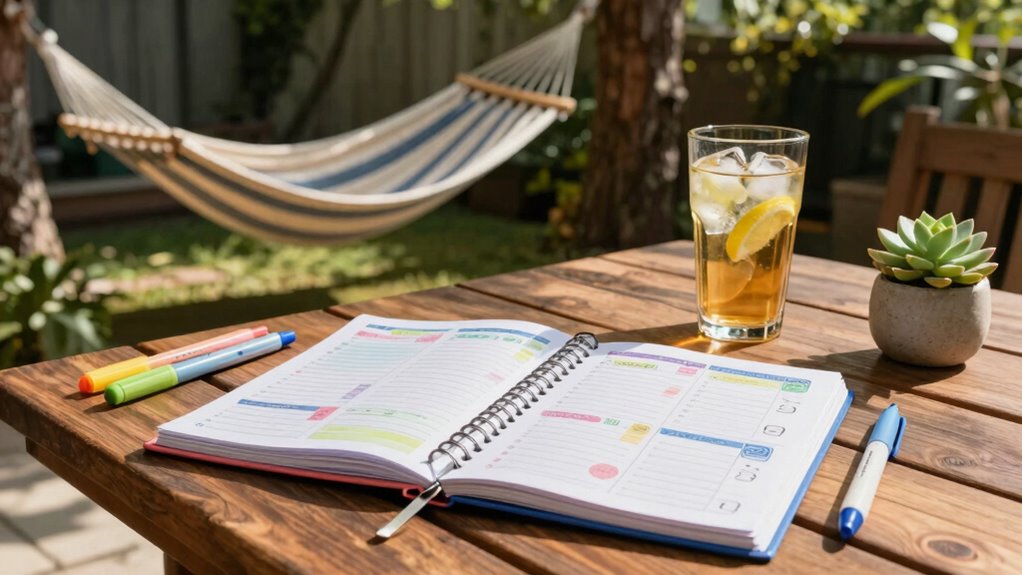
The key is to develop a routine that signals the start of each season. When you set aside a specific time—say, the first weekend of spring or summer—you can evaluate what works well for your outdoor plans and what needs adjusting. This seasonal review becomes a quick, focused activity where you update your packing checklists and tweak your routines. For example, you might add sunscreen, water bottles, or outdoor games to your checklist, or remove items that are no longer relevant. Making this a regular habit means you don’t have to start from scratch each year; instead, you build on what you already have, saving time and mental energy. Incorporating an organized approach can further enhance your planning efficiency.
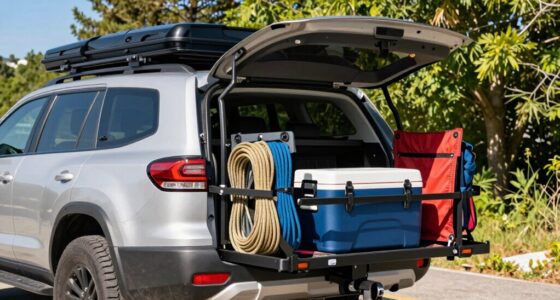
Packing checklists are your best friend during busy seasons. They transform what could be a chaotic scramble into a smooth, organized process. Before each outing, you simply consult your checklist, gather the items, and double-check that everything’s accounted for. Over time, these checklists evolve based on your experiences—adding new essentials or removing unused items—making packing faster and more efficient. They also reduce the chance of forgetting something important, like a hat or snacks, which can throw off your entire day. Plus, having a ready-made list means you don’t need to spend valuable time thinking about what to pack each time. Utilizing a gadget-based organization system, like digital checklists or apps, can further streamline this process.
Consistency is crucial. By establishing a routine of updating your seasonal checklists and reviewing your outdoor gear, you make planning automatic. It becomes part of your seasonal transition, not an afterthought. This habit encourages you to think ahead, prepare in advance, and enjoy your outdoor activities without last-minute stress. When you’re well-prepared, you can truly relax and enjoy the warm weather, rather than worrying about what you forgot or what you need to do next. Incorporating seasonal routines into your planning process helps reinforce this habit and ensures it becomes a natural part of your lifestyle.
In the end, the simple habit of maintaining seasonal routines and packing checklists offers a clear, practical solution to the chaos of warm-weather planning. It’s a small investment of time that yields significant peace of mind and smooths out the bumps in your outdoor adventures. With this habit in place, you’ll find yourself looking forward to outdoor fun, knowing you’re ready for anything the season throws your way.
outdoor packing checklist organizer
As an affiliate, we earn on qualifying purchases.
As an affiliate, we earn on qualifying purchases.
Frequently Asked Questions
How Early Should I Start Planning for Warm-Weather Activities?
You should start planning your warm-weather activities about two to three months ahead. This gives you enough time to gather seasonal gear, compare prices, and manage your budget effectively. Early planning helps you avoid last-minute stress and guarantees you find the best deals. By the time warm weather arrives, you’ll be ready with everything you need, making outdoor fun more enjoyable and less chaotic.
What Tools Can Help Me Stay Organized With Warm-Weather Plans?
Imagine your warm-weather plans as a garden that needs tending. Use digital tools like seasonal checklists and weather forecasting apps to stay on top. These tools help you track essential tasks, anticipate weather changes, and avoid last-minute scrambling. Calendar apps with reminders and weather alerts act as your personal gardeners, ensuring your plans bloom perfectly. Staying organized with these tools keeps your warm-weather adventures smooth and stress-free.
How Do I Prioritize Multiple Warm-Weather Events?
To prioritize multiple warm-weather events, start by evaluating their seasonal flexibility and your budget management. Identify which events are time-sensitive or non-negotiable, and allocate your resources accordingly. Use a planner or digital calendar to visualize overlapping dates, then rank events based on importance, costs, and flexibility. This approach helps you stay organized, avoid conflicts, and enjoy your summer plans without stress.
What Are Common Mistakes to Avoid in Warm-Weather Planning?
Avoid common warm-weather planning mistakes like neglecting seasonal budgeting, which can lead to overspending. Don’t forget to factor in weather contingency plans—unexpected rain or heat can disrupt your plans if you’re unprepared. Nearly 60% of event organizers overlook these aspects, risking chaos. Stay proactive by setting a clear budget and planning flexible options to adapt to changing weather, ensuring your warm-weather events stay smooth and enjoyable.
How Can I Involve Others in My Warm-Weather Planning?
To involve others in your warm-weather planning, focus on collaborative planning and group coordination. Invite friends or family to share ideas early, creating a shared vision. Use tools like group chats or planning apps to keep everyone updated and engaged. Encourage input from everyone, assign specific tasks, and set clear deadlines. This approach fosters teamwork, makes planning more enjoyable, and guarantees all voices are heard, leading to smoother, more successful warm-weather activities.
Conclusion
Making warm-weather planning easier by establishing a simple, consistent habit can truly transform your experience. Did you know that people who plan their outdoor activities ahead of time are 40% more likely to enjoy stress-free summer days? By adopting this easy habit, you’ll not only reduce last-minute chaos but also maximize your enjoyment of the season. Start small today, and watch how much smoother your warm-weather plans become!