Seasonal changes in water temperature affect aquatic life profoundly. In warmer months, water heats up, impacting oxygen levels and food availability, while colder months cause water to cool and deepen, influencing fish behavior and migration. These fluctuations shape habitats and species survival, often signaling when fish move for spawning or feeding. Understanding these natural patterns helps you grasp how ecosystems adapt. If you keep exploring, you’ll uncover more about how these temperature shifts influence aquatic environments.

Get pool and patio gear delivered free with Prime
- Fast, free delivery on millions of items
- Prime Video, Amazon Music and more included
- Member-only deals all year
Key Takeaways
- Water temperatures fluctuate seasonally due to sunlight, air temperature, and weather, impacting aquatic habitats and species.
- These changes influence oxygen levels, food availability, and habitat stability, affecting ecosystem health.
- Fish use temperature cues for migration, spawning, and feeding, with shifts potentially disrupting these behaviors.
- Sudden or extreme temperature variations can stress aquatic life, reducing reproduction and increasing disease susceptibility.
- Recognizing seasonal temperature patterns aids in conservation, fisheries management, and understanding climate change impacts.
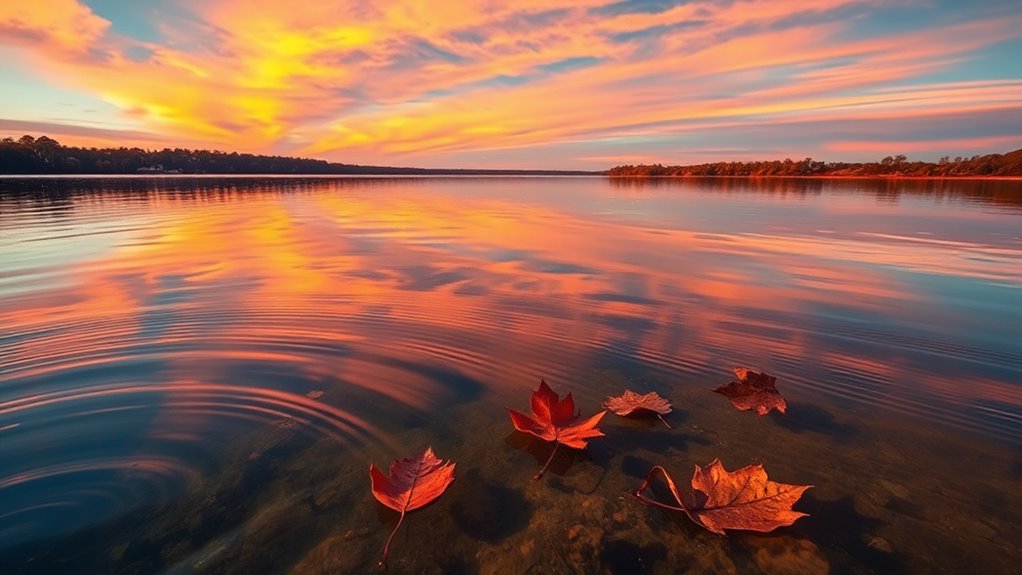
Water temperatures naturally fluctuate throughout the year, influenced by seasonal changes in sunlight, air temperature, and weather patterns. These variations directly impact aquatic habitats, shaping the environment for countless species that call these waters home. As temperatures rise in the summer months, water heats up, affecting everything from oxygen levels to the availability of food. Conversely, in winter, water cools down, often leading to increased density and changes in how aquatic life behaves and survives. Recognizing these temperature shifts helps you understand how ecosystems adapt and why certain species thrive or struggle at different times of the year.
Water temperature changes seasonally, shaping aquatic habitats and influencing species survival and behavior throughout the year.
One of the most noticeable effects of seasonal water temperature changes involves fish migration. Many fish species, such as salmon and trout, rely on temperature cues to time their movements. During colder months, fish often migrate to deeper or more insulated parts of a water body to find stable conditions. When temperatures increase with the warmer season, they may move toward shallower areas or upstream regions for spawning or feeding. These migrations are critical for their life cycle and are closely tied to water temperature patterns. When temperatures fluctuate unexpectedly—say, an unseasonal warm spell or cold snap—it can disrupt these migration patterns, leading to potential challenges for fish populations. For example, a sudden temperature shift might cause fish to arrive at spawning grounds too early or too late, impacting their reproductive success.
Understanding how water temperatures influence aquatic habitats and fish migration is essential, especially if you’re involved in conservation or fisheries management. Sudden or extreme temperature changes can stress aquatic species, making them more vulnerable to disease, reducing reproductive rates, or forcing them into less suitable habitats. This, in turn, affects the entire food chain, from plankton to larger predators. If you’re interested in observing or studying aquatic ecosystems, paying attention to seasonal temperature trends can give you a clearer picture of what’s happening beneath the surface. Additionally, climate change is amplifying these natural fluctuations, causing more unpredictable water temperature patterns. These changes can lead to shifts in migration timings, alter breeding cycles, and even threaten the survival of sensitive species. By understanding the natural ebb and flow of water temperatures, you can better appreciate the delicate balance within aquatic habitats and the importance of preserving them. Whether you’re a fisherman, a conservationist, or simply a curious observer, recognizing how seasonal water temperature changes influence aquatic life helps you grasp the complex dynamics at play beneath the surface.
aquatic water temperature thermometer
As an affiliate, we earn on qualifying purchases.
As an affiliate, we earn on qualifying purchases.
Frequently Asked Questions
How Do Seasonal Water Temperature Changes Affect Aquatic Plant Growth?
You’ll notice that seasonal water temperature changes considerably influence aquatic plant growth. As temperatures rise, plants adapt by accelerating their growth during warmer months, aligning with their seasonal growth cycles. Conversely, cooler temperatures slow down their development, prompting some to enter dormancy. These adaptations help aquatic plants survive year-round, ensuring they grow most effectively during favorable conditions and conserve energy during less hospitable seasons.
What Are the Best Ways to Monitor Water Temperature Seasonally?
Think of your water body as a living thermometer, revealing seasonal shifts. To monitor water temperature effectively, you should carefully select sensor placement—preferably at different depths and locations for accuracy. Use data logging devices to record temperature changes over time, creating a detailed temperature profile. Regular checks make sure you catch subtle fluctuations, helping you understand seasonal patterns and respond appropriately to aquatic ecosystem needs.
Do Seasonal Temperature Shifts Impact Fish Migration Patterns?
Yes, seasonal temperature shifts impact fish behavior and migration timing. As water warms or cools, you’ll notice fish altering their movement patterns to find ideal conditions. Warmer temperatures often trigger earlier migrations, while cooler periods may delay them. By observing changes in fish behavior and timing, you can better understand how seasonal water temperature variations influence their migration routes and overall activity, helping you plan around these natural shifts.
How Do Water Temperature Fluctuations Influence Water Quality?
Imagine gentle shifts in water temperature subtly shaping water quality. When temperatures fluctuate, thermal stratification can occur, creating layers that trap pollutants and reduce dissolved oxygen levels. This can lead to less healthy water conditions, affecting aquatic life and overall ecosystem health. You might notice changes like algae blooms or fish kills, signaling how sensitive water quality is to these temperature variations. Staying aware helps protect our precious water resources.
Can Seasonal Changes in Temperature Cause Water Bodies to Freeze or Thaw?
Yes, seasonal temperature changes can cause water bodies to freeze or thaw. When temperatures drop, ice formation occurs on the surface, creating a solid layer. As temperatures rise, thawing cycles set in, melting the ice and turning the water back into liquid. These cycles impact aquatic life and water quality, making it essential for you to monitor temperature fluctuations to understand the health of your local water bodies.
Conclusion
As the seasons shift, imagine the water’s gentle dance from icy winter depths to warm summer embraces. These temperature changes paint a vivid picture of nature’s rhythm, signaling new life and shifting ecosystems. By paying attention to these subtle clues, you can feel more connected to the world around you. Embrace the ebb and flow, and let each change remind you of nature’s constant, beautiful transformation beneath the surface.
Halloween Picks
halloween
As an affiliate, we earn on qualifying purchases.