
TL;DR

Get pool and patio gear delivered free with Prime
- Fast, free delivery on millions of items
- Prime Video, Amazon Music and more included
- Member-only deals all year
Gardening Know How has published a guide recommending nine unusually showy but easy-to-grow spring-flowering bulbs to plant in October, including parrot tulips, double anemones and sculptural alliums. The report says most need only full sun and good drainage to return each spring with little intervention.
Gardening Know How has published a seasonal guide recommending nine spring-flowering bulbs to plant in October, arguing that unusual varieties such as parrot tulips, double anemones and sculptural alliums can deliver standout spring flowers with minimal effort — even for beginners. The report’s central claim: newer showier varieties are no harder to grow than standard tulips and daffodils, provided gardeners match each bulb to the right spot.
The guide’s nine recommended bulbs were selected for what the author describes as “standout flowers, intriguing shapes and plenty of personality,” positioned as alternatives to what the report calls “run-of-the-mill tulips and daffodils.” All nine share a common requirement, according to the report: good drainage and plentiful sunshine. Once planted in fall, the author says, bulbs “quietly return each spring with very little intervention,” making flowers planted in October a reliable investment for stronger spring growth.
Among the highlighted varieties, parrot tulips such as ‘Black Parrot’ and ‘Flamingo Queen’ offer dramatically cut, twisted and feathered petals, flowering in mid to late spring — later than many tulips, which the report says makes them useful for bridging the gap between early bulbs and summer blooms. They suit zones 3-8, grow 18-24 inches tall, and need full sun and sharply drained soil, ideally sheltered from wind. The report cautions that parrot tulips “can be less reliable repeat performers” in hot, humid summer climates.
Double anemones, including the newer Fullstar series, produce densely ruffled blooms up to roughly 4 inches across on compact plants suited to containers, rock gardens and border fronts. Sold as bulbs, they actually grow from small woody corms that the report advises soaking in tepid water for up to 24 hours before fall planting. They suit zones 7-10 and, being Mediterranean in origin, are sensitive to wet conditions while dormant. Ornamental alliums such as Allium ‘Hair’ and Allium schubertii — described in the report as having “starburst” blooms up to a foot across — suit hot, dry, sunny borders in free-draining soil, with dried seedheads adding structure after flowering.
Why October Planting Matters for Spring
The guide is timely because October is the practical deadline for planting most spring-flowering bulbs in many temperate regions: fall planting gives bulbs time to establish roots before winter, the report explains, and the flowers then appear the following spring with little ongoing work. For readers planning next year’s garden on a budget of time as much as money, the appeal is the low-input model — plant once in fall, then, as the author puts it, “let nature do much of the heavy lifting.”
The emphasis on newer, showier varieties also reflects a broader trend the report identifies: breeders are producing “ever-more fabulous” varieties that retain the simplicity of traditional bulbs. That matters for beginners, whom the guide explicitly targets, because it removes the trade-off between easy care and visual impact. The report also notes practical caveats within the recommendations themselves — drainage failures, wet dormant corms and humid-summer climates are named as the main reasons these bulbs underperform.
From Basic Tulips to Bold Varieties
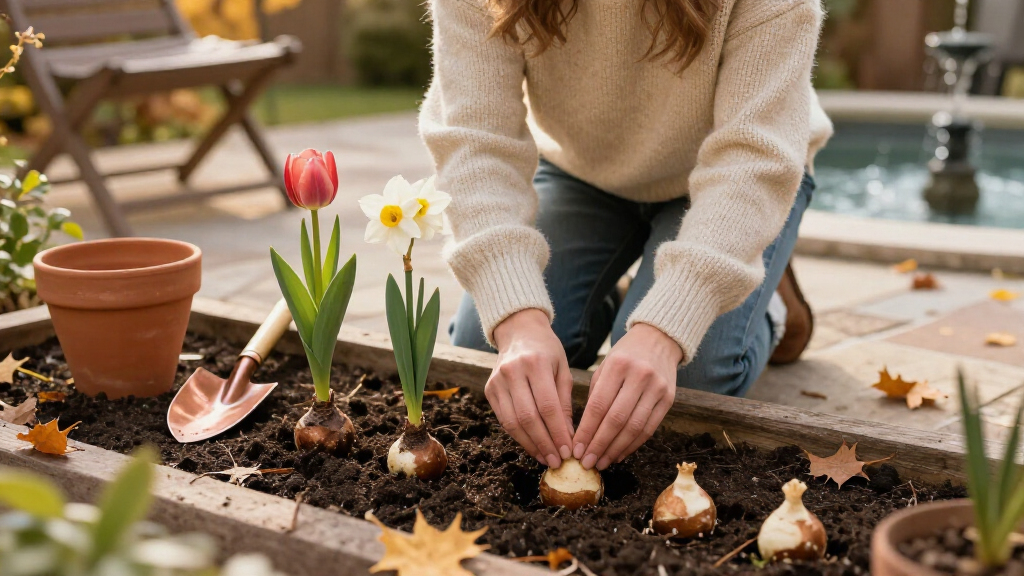
Spring bulbs have long been a garden staple, with tulips and daffodils as the conventional choices. The Gardening Know How report builds on that baseline by recommending less common options grouped by style: “personality-packed” parrot tulips for dramatic color, “opulent” double anemones for peony-like fullness in small spaces, and what it calls “aliens-have-landed” alliums for sculptural interest and pollinator value.
The guide also lists practical tools — a handheld bulb planter for small jobs or a long-handled version for larger plantings — and specifies planting depth and spacing considerations by variety. Alliums, it notes, should be planted in early to mid-fall, watered once to settle in, then largely left alone, since damp ground is the main cause of failure. Yellowing allium foliage at flowering time is normal, according to the report, which is why many gardeners plant them among grasses.
“The trick is to choose the right bulb for the right spot and give them conditions they naturally enjoy – which is usually as simple as good drainage and plentiful sunshine – and they’ll quietly return each spring with very little intervention.”
— Gardening Know How report
What the Guide Leaves Open
The source article as provided names only three of the nine bulbs in full detail — parrot tulips, double anemones and alliums — so the remaining six recommendations and their specific growing requirements are not confirmed here. The guide’s nine-bulb list reflects one publication’s editorial judgment rather than independent trialing, and performance claims such as reliable perennial return are the author’s assessment, not tested results.
Performance will also vary by local climate: the report itself flags hot, humid summers and wet dormant-season conditions as risk factors. Readers should confirm hardiness zone compatibility for their own location before buying, and verify availability of named varieties, which the report links to specific retailers.
Planting Window and Spring Payoff
Gardeners who want to act on the guide should plant within the October window while bulbs are available at garden centers and online retailers. Anemone corms need soaking up to 24 hours before planting, and alliums should go in during early to mid-fall, so timing the order of planting matters. Over the coming months the bulbs will root in before winter; the first visible results — shoots and blooms — will appear from mid spring onward, with parrot tulips flowering around May. Gardeners in marginal zones can assess drainage and sun exposure now to reduce the failure risks the report identifies.
Key Questions
Why plant spring bulbs in October specifically?
According to Gardening Know How, fall planting gives bulbs time to settle in and establish roots before winter, so they flower the following spring. October falls within the main planting window for most spring-flowering bulbs in temperate regions.
Are these bulbs suitable for beginners?
The report says yes, claiming that even the newer showier varieties are “nothing difficult” to grow as long as they get full sun and well-drained soil. This is the publication’s editorial assessment rather than independently tested results.
Do anemones really grow from bulbs?
They are often sold as bulbs but technically grow from small woody corms, according to the report. For fall planting, the corms should be soaked in tepid water for up to 24 hours beforehand, and kept in very well-drained soil since they rot in wet conditions while dormant.
Will parrot tulips come back every year?
Not reliably everywhere. The guide cautions that parrot tulips “can be less reliable repeat performers,” particularly in climates with hot, humid summers. Full sun, sharply drained soil and shelter from wind improve their chances.
Which bulbs work in hot, dry, sunny borders?
Ornamental alliums are the report’s recommendation for those conditions, including varieties like ‘Hair’ and schubertii. They need free-draining soil, one watering to settle in, and little attention afterward — damp ground is the main cause of failure.
Source: rss
Halloween Picks
halloween
As an affiliate, we earn on qualifying purchases.