TL;DR

Get pool and patio gear delivered free with Prime
- Fast, free delivery on millions of items
- Prime Video, Amazon Music and more included
- Member-only deals all year
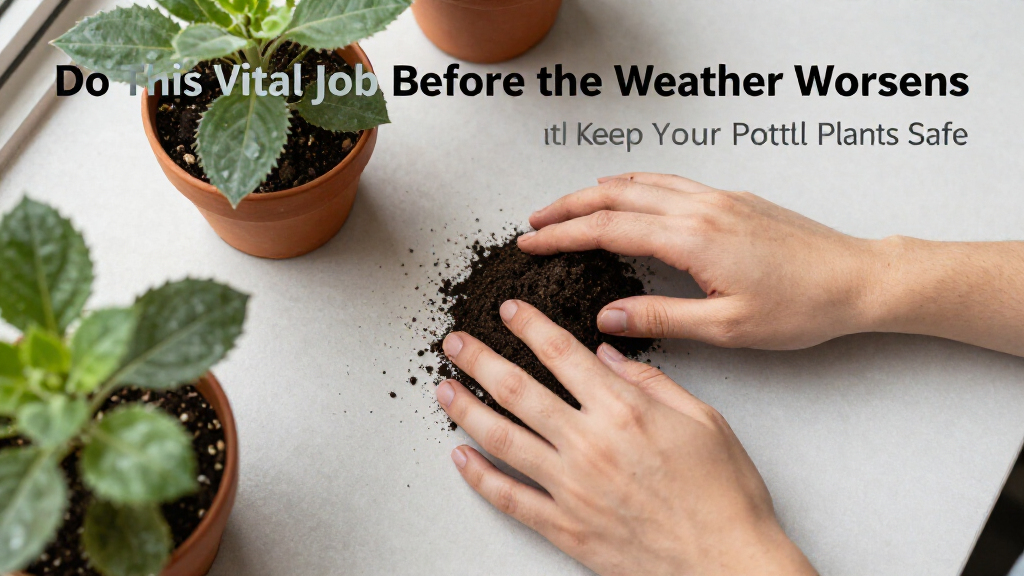
Homes & Gardens reports that gardeners should check and clear drainage holes in outdoor pots before winter weather sets in. Blocked drainage can leave soil waterlogged, increasing the risk of root damage, freezing and cracked containers.
Homes & Gardens is advising gardeners to check that outdoor pots drain properly before winter weather worsens, warning that blocked holes can leave plants sitting in waterlogged soil. The publication says clearing drainage and raising containers off the ground can help reduce risks from wet, freezing conditions to both plants and pots.
The report says drainage holes can become blocked by compacted soil, debris, pests, roots or mineral and salt deposits. If excess water cannot escape, soil can become saturated and its air pockets fill with water. The article explains that this deprives roots of oxygen and can contribute to root rot.
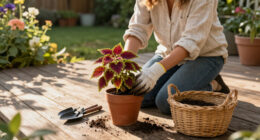
To check a container, gardeners may need to lift or tilt it to inspect the base. The report recommends clearing visible obstructions with a wooden skewer or chopstick, then removing saucers that could hold water beneath pots. It also advises placing containers on pot feet rather than directly on paving or concrete, which can obstruct drainage.
The source describes yellowing leaves, wilting and dieback as possible signs of a struggling plant, and says decaying roots may turn black and mushy. These symptoms can have different causes, so they do not by themselves confirm that blocked drainage is responsible. The article also warns that moisture in soil can freeze and expand, posing a risk to plants and to porous containers such as terracotta.
How Blocked Pots Face Winter
Container plants can be more exposed to cold than plants growing in the ground, and waterlogged soil adds a separate risk to frost damage. When water fills the soil’s air spaces, roots may be deprived of oxygen; in freezing weather, wet soil can also freeze around them. The report says frozen moisture can expand and crack porous pots.
The practical point is that checking drainage is a low-effort preventive step, not a guarantee that plants will survive winter. Improving drainage may reduce standing water, while sheltering pots and monitoring them can help gardeners respond to changing conditions.
Popular right now

Dyson Ball Animal Total Clean Upright Vacuum

KitchenAid Artisan 5-Quart Tilt-Head Stand Mixer, Almond Cream

Vitamix Propel Series 750 Professional-Grade Blender, 4 Programs, Black
As an affiliate, we earn on qualifying purchases.
Why Winter Checks Matter
The Homes & Gardens article focuses on a maintenance task that can be overlooked when gardeners concentrate on frost protection. It says containers need drainage holes, but holes may be absent in some planters or become obstructed over time. Gardeners should check before planting in a pot and revisit the drainage as conditions and debris change.
Alongside clearing holes, the report suggests grouping containers in a sheltered spot, such as near a wall or beneath an overhang, to reduce exposure to rain and cold. It also says materials including fiberglass, fiberstone, resin and wood may be more resistant to freezing than porous terracotta or clay, while covers can offer additional protection. These are recommendations from the source, not guarantees against damage.
““All pots and planters need drainage holes to allow excess moisture to escape.””
— Homes & Gardens
Risks Depend on Conditions
The source does not give a publication date, identify a specific region or forecast, or quantify how often blocked drainage leads to plant or pot damage. The level of risk will depend on factors including local rainfall, frost, plant type, container material and growing conditions. The article’s advice is general gardening guidance rather than a guarantee of protection.
Yellow leaves and wilting can signal several problems, not just waterlogging. The report does not provide a diagnostic method for distinguishing causes, nor does it specify how often gardeners should repeat drainage checks during winter.
Check Pots Before Cold Weather
Gardeners can inspect each container before winter, clear any blocked holes and remove saucers that may retain water. Raising pots on feet and moving vulnerable containers to a sheltered location are additional steps recommended by the source. During winter, the article advises checking for discoloration, wilting or mold on the soil surface and moving pots out of heavy rain if they appear too wet.
The source does not announce a follow-up date or a formal gardening programme. The immediate next step for readers is to assess their own pots and adapt protection to local weather and the needs of their plants.
Key Questions
What should gardeners check before winter?
Check that each container’s drainage holes are open and that water can escape. The source says gardeners may need to lift or tilt pots to inspect their bases.
How can a blocked drainage hole be cleared?
Homes & Gardens suggests using a wooden skewer or chopstick to loosen debris in the hole. Take care not to damage roots or the container while clearing it.
Why remove saucers from outdoor pots in winter?
The report says saucers can hold water beneath containers. Removing them may help prevent pots from sitting in standing or frozen water.
What are possible signs of waterlogged plants?
The source lists yellowing foliage, wilting and dieback, and says affected roots may be black and mushy. These signs can have other causes, so they do not establish waterlogging on their own.
Source: rss