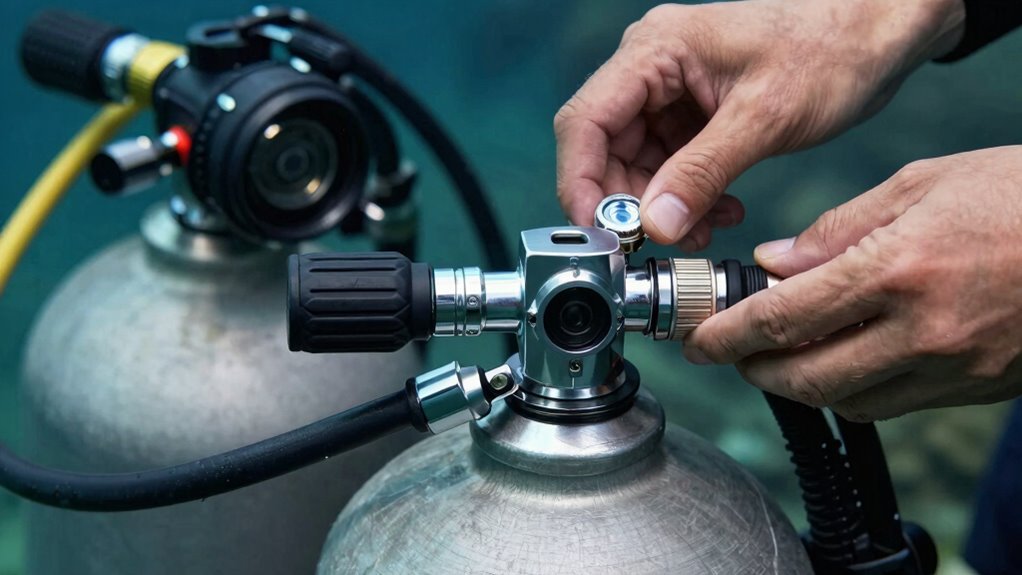

Many new divers often underestimate how essential choosing the right tank size and ensuring proper compressor maintenance are for safe dives. A larger tank gives you more air and longer underwater time, but it adds weight and affects buoyancy. Reliable compressors fill tanks quickly and safely, preventing air shortages. Neglecting equipment checks or rushing maintenance can lead to dangerous situations. To master safe diving, it’s important to understand how these components work together—stick around to discover more.

Get pool and patio gear delivered free with Prime
- Fast, free delivery on millions of items
- Prime Video, Amazon Music and more included
- Member-only deals all year
Key Takeaways
- Many new divers underestimate the importance of matching tank size with planned dive duration.
- They often overlook the compressor’s role in ensuring reliable, quick fills for multiple tanks.
- Novices may neglect regular maintenance, risking equipment failure underwater.
- Proper understanding of how tank capacity and compressor capacity interact improves dive safety.
- New divers tend to overlook the significance of choosing the right gear for safe, enjoyable dives.
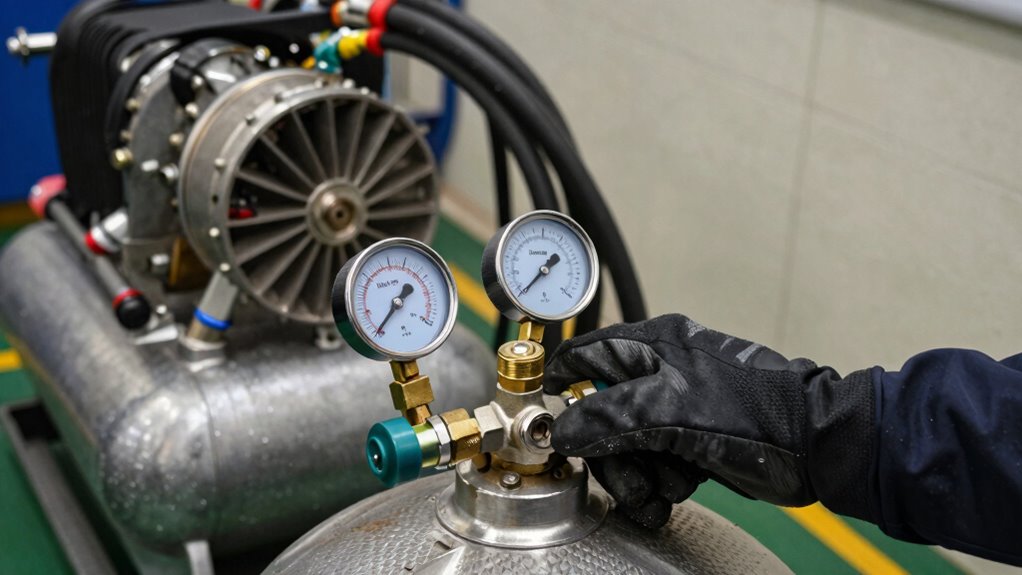
Have you ever wondered how the size of a tank and the capacity of a compressor impact your system’s performance? If you’re new to diving, you might overlook how vital these components are to your overall safety and experience. Many beginners assume that a bigger tank or a more powerful compressor automatically makes diving easier or more efficient, but that’s only part of the picture. Understanding how these elements work together can prevent mishaps and improve your dives.
Tank size and compressor capacity are key to safe, efficient diving; understanding their relationship enhances your experience.
The tank’s size determines how much compressed air you carry underwater, but it also influences your dive duration and safety margins. Larger tanks hold more air, giving you longer bottom times, but they also add weight and bulk, which can affect your buoyancy and maneuverability. Conversely, smaller tanks are lighter and easier to handle, but they limit your time underwater. It’s essential to choose a tank size that matches your planned dives and physical comfort, rather than just aiming for the largest capacity. Proper equipment selection involves considering both tank size and diver experience to ensure a comfortable and safe dive.
Similarly, the compressor’s capacity impacts how quickly your tank is filled and how reliably it supplies air during your dive. A higher-capacity compressor can fill tanks faster and handle multiple tanks in a shorter period, but it needs proper equipment maintenance to stay safe and efficient. Regular checks and maintenance routines guarantee the compressor functions correctly, preventing potential failures that could compromise your safety. Poorly maintained equipment increases risk, so adhering to safety protocols is non-negotiable. Always inspect hoses, valves, and filters, and keep records of maintenance schedules to avoid unexpected breakdowns during your dive trips. Additionally, understanding the performance of your compressor ensures it meets the demands of your diving activities while maintaining safety standards. Being aware of air quality and how it relates to compressor operation can also prevent breathing issues underwater, making maintenance even more critical.
Your choice of tank and compressor isn’t just about performance; it’s about safety. A well-maintained compressor paired with the right-sized tank ensures you have a reliable air source and reduces the chances of accidents caused by equipment failure. Pay attention to safety protocols, like never overfilling tanks or rushing maintenance routines. Properly trained personnel should handle compressor operation and maintenance, ensuring all safety standards are met. Remember, equipment failure isn’t just inconvenient—it can be dangerous underwater. Additionally, understanding the importance of equipment maintenance can significantly extend the lifespan of your gear and ensure consistent performance. Recognizing the relationship between components can help you optimize your gear setup and avoid common pitfalls that lead to equipment issues.
In the end, understanding the relationship between tank size, compressor capacity, and the importance of equipment maintenance and safety protocols allows you to dive confidently. Don’t underestimate how these factors influence your safety and enjoyment. Investing time in choosing the right gear, maintaining it properly, and following safety guidelines isn’t just good practice—it’s essential for every diver. When you approach your equipment with care and knowledge, you ensure that each dive is safe, enjoyable, and memorable.
Popular right now
Vitamix 5200 Professional-Grade Blender, 64 oz. Container, Black

Ninja Luxe Café Mini Plus Espresso and Drip Coffee Machine with AutoFroth, Stainless Steel, ES351

KitchenAid Artisan 5-Quart Tilt-Head Stand Mixer, Almond Cream
As an affiliate, we earn on qualifying purchases.
Frequently Asked Questions
How Often Should I Have My Tank Inspected and Tested?
You should have your tank inspected and tested annually to guarantee safety and compliance with certification requirements. Regular tank maintenance is essential, and many jurisdictions require a visual inspection and hydrostatic test every 12 months. Staying on top of these inspections keeps your gear in top condition, prevents failures, and guarantees you meet certification standards. Always follow the manufacturer’s guidelines and local regulations for the most accurate schedule.
What Are the Signs of a Damaged or Faulty Scuba Tank?
Your scuba tank whispers warning signs when damaged or faulty. Watch for tank corrosion, which appears as rust or pitting, weakening its shell. Valve damage may cause leaks or difficulty in turning, signaling trouble. If you notice a hissing sound, cracks, or corrosion, it’s time to have your tank inspected. Ignoring these signs risks safety, so trust your instincts and get professional advice before diving again.
Can I Use a Different Type of Compressor for Filling My Tank?
You can use an alternative compressor to fill your scuba tank, but make certain it’s compatible and meets safety standards. Always check the manufacturer’s guidelines for your tank and follow proper maintenance procedures for the compressor. Regular inspections, oil checks, and calibration are essential to guarantee safe fills. Using the wrong compressor or neglecting maintenance can lead to risks, so prioritize safety and proper procedures above all.
How Do Temperature Changes Affect My Tank’s Pressure?
Temperature effects can cause pressure fluctuations in your tank. When it gets warmer, the air expands, increasing the pressure, which might seem safe but can be risky if you’re not cautious. Conversely, cooler temperatures make the air contract, lowering pressure and possibly leaving you short of air during a dive. Always check your tank’s pressure before diving, and store your tank in a temperature-controlled environment to avoid surprises.
What Safety Precautions Should I Take During Tank Filling?
When filling your tank, always follow safety precautions by inspecting equipment for damage and ensuring proper maintenance. Never overfill the tank, and monitor pressure levels carefully. Stay alert for any leaks or unusual noises. Know emergency procedures, like shutting off the compressor quickly if needed. Regular equipment maintenance reduces risks, and being prepared helps you respond swiftly to potential issues, keeping your dives safe and enjoyable.
Conclusion
Understanding the tank and compressor relationship is essential for safe diving. Did you know that nearly 20% of dive accidents involve equipment mishandling? By accurately evaluating your tank’s capacity and compressor’s output, you avoid surprises underwater. Remember, overestimating your gear’s capabilities can be dangerous. Stay informed, double-check your equipment, and always prioritize safety. Mastering this fundamental question keeps your dives smooth, enjoyable, and accident-free.