
Proper ventilation is key for outdoor refrigeration success. You need to guarantee unobstructed airflow around your units, with at least two feet of clearance, to allow heat to escape efficiently. Position your units in open, elevated areas to prevent heat buildup and choose equipment placement that maximizes natural airflow. Installing fans or louvers can also help boost ventilation during hot periods. If you keep these details in mind, you’ll improve efficiency and prolong your system’s lifespan—more tips follow below.

Get pool and patio gear delivered free with Prime
- Fast, free delivery on millions of items
- Prime Video, Amazon Music and more included
- Member-only deals all year
Key Takeaways
- Ensure at least two feet of clearance around units for unobstructed airflow and heat dissipation.
- Position units in open, elevated areas to prevent heat buildup and improve natural ventilation.
- Regularly clean condenser coils and vents to maintain optimal airflow and system efficiency.
- Use fans, louvers, or ventilation devices to enhance airflow in restricted or high-temperature zones.
- Design ventilation to promote consistent heat expulsion and prevent heat stagnation around refrigeration equipment.
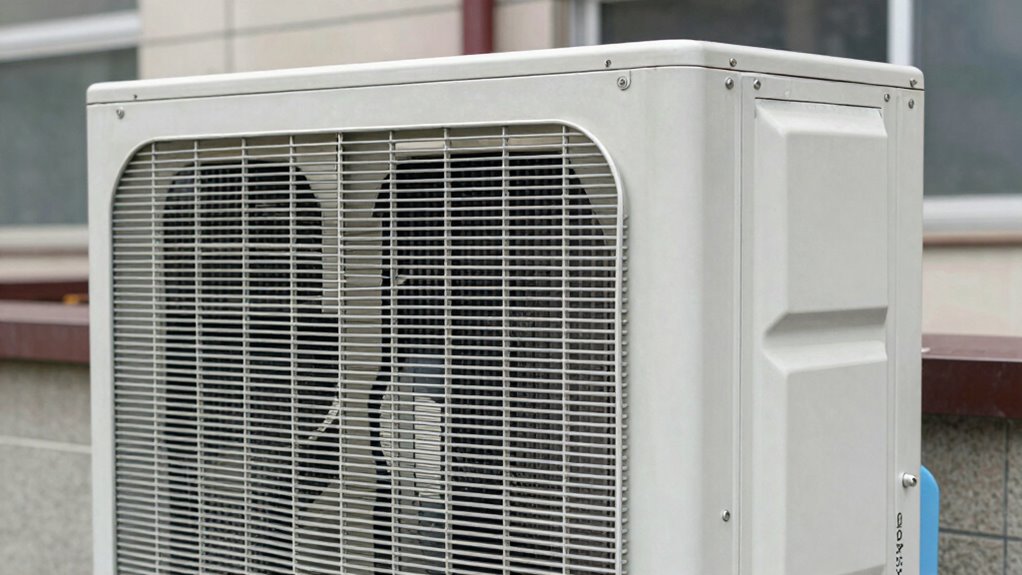
Proper ventilation is essential for outdoor refrigeration systems to operate efficiently and safely. Without adequate airflow, your system can struggle to maintain the desired temperature, leading to decreased cooling performance and increased energy consumption. The key to ideal outdoor refrigeration lies in understanding and managing the ventilation detail that truly impacts its effectiveness: airflow efficiency. When airflow is unobstructed and well-directed, your system can dissipate heat more effectively, ensuring that the compressor and condenser operate within their best temperature ranges. This not only improves cooling performance but also prolongs the lifespan of your equipment.
You need to pay close attention to how air moves around your outdoor refrigeration unit. If airflow is restricted by debris, nearby structures, or poorly placed equipment, heat buildup can occur, forcing the system to work harder than necessary. This inefficiency not only wastes energy but also increases wear and tear on components. Ensuring unobstructed airflow around the condenser coils and vents is essential. Regularly cleaning and maintaining these areas removes dirt, leaves, and other debris that can block airflow paths. Also, consider the placement of your refrigeration unit. It should be positioned in a location with plenty of open space on all sides, ideally with at least two feet of clearance to allow free circulation. Proper airflow management is crucial for maintaining system performance over time. Additionally, understanding the air circulation patterns in your outdoor space can help optimize placement and prevent heat stagnation.
Another important aspect is the orientation of the unit, which influences airflow efficiency. Positioning the compressor and condenser in a way that maximizes natural airflow can dramatically improve cooling performance. Avoid placing units in low-lying areas prone to flooding or in pockets where warm air tends to stagnate. Instead, choose elevated, open locations where air can freely flow in and out. Additionally, installing fans or louvers can help enhance airflow, especially in areas with limited natural ventilation or during high-temperature periods. These devices assist in maintaining consistent airflow, ensuring heat is expelled efficiently. Proper airflow direction also plays a vital role in preventing heat accumulation and maintaining optimal system temperatures. Adequate ventilation design is essential for ensuring the system’s long-term reliability and energy efficiency.
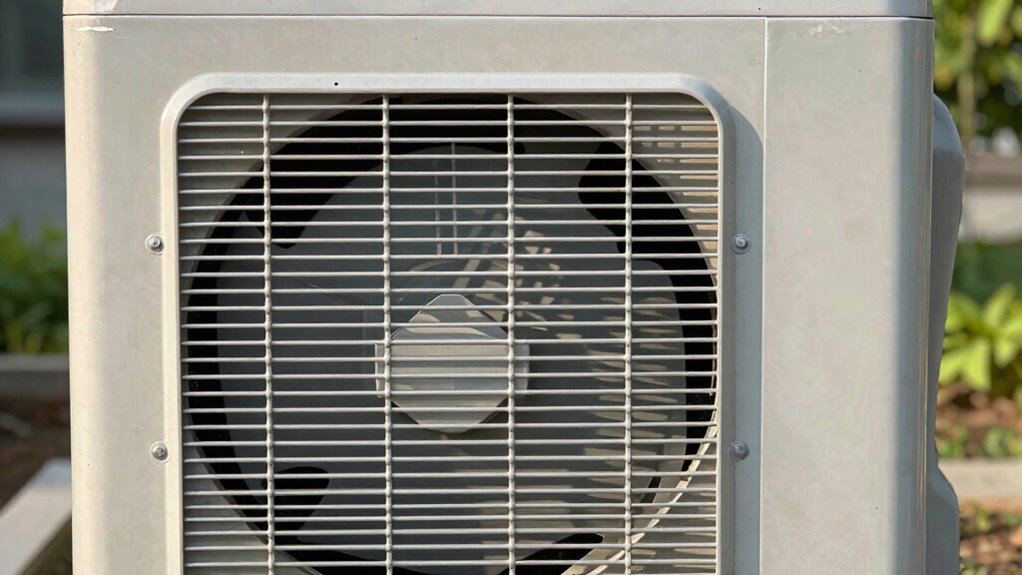
outdoor refrigeration condenser fan
As an affiliate, we earn on qualifying purchases.
As an affiliate, we earn on qualifying purchases.
Frequently Asked Questions
How Does Outdoor Temperature Affect Ventilation Requirements?
Outdoor temperature directly impacts your ventilation requirements because it influences thermal exchange processes. When temperatures rise, you need increased airflow to dissipate heat effectively and prevent equipment from overheating. Conversely, cooler outdoor conditions reduce the need for extensive ventilation. To optimize airflow, you should adjust vents and fans based on outdoor temperature, ensuring proper thermal exchange. This helps maintain efficient refrigeration, reduces energy consumption, and prolongs equipment lifespan.
What Safety Standards Apply to Outdoor Refrigeration Ventilation?
Think of outdoor refrigeration ventilation standards as a shield protecting you from hazards. You must follow safety standards like ASHRAE, OSHA, and local codes to guarantee refrigerant safety and ventilation efficiency. These standards specify proper exhaust, airflow, and leak detection practices, preventing refrigerant buildup. By adhering to them, you safeguard both your equipment and personnel, making sure your outdoor refrigeration system operates smoothly and safely under all conditions.
How Often Should Outdoor Ventilation Systems Be Inspected?
You should inspect your outdoor ventilation systems at least quarterly to guarantee ideal airflow and safety. During these inspections, focus on airflow enhancement by checking that vents and fans are unobstructed. Additionally, perform filter maintenance by cleaning or replacing filters regularly to prevent debris buildup, which can hinder airflow and compromise system efficiency. Consistent inspections help maintain safe, effective outdoor refrigeration and prevent potential hazards.
Can Natural Ventilation Suffice for Outdoor Refrigeration?
You might think natural airflow can handle outdoor refrigeration, but it’s a gamble of epic proportions! Relying solely on natural ventilation isn’t enough because ventilation design must guarantee consistent airflow, especially in unpredictable weather. Proper outdoor refrigeration demands engineered solutions, not hope. So, while natural ventilation helps, it should be part of an all-encompassing system that actively manages airflow, ensuring your refrigeration stays efficient and reliable no matter what conditions arise.
What Are Common Ventilation System Failures Outdoors?
Outdoor ventilation system failures often stem from poor indoor airflow, which hampers heat dissipation and reduces refrigeration efficiency. You might notice blocked vents, debris buildup, or malfunctioning fans disrupting airflow. These issues cause heat accumulation, strain equipment, and compromise temperature control. Regular maintenance, prompt repairs, and ensuring unobstructed airflow are essential to prevent failures and maintain peak outdoor refrigeration performance.
Conclusion
Think of proper ventilation as the invigorating breeze that keeps your outdoor refrigeration system alive and thriving. When you master the details, you’re like a skilled conductor directing a symphony of cool, ensuring every gust of air dances perfectly around your units. Without it, your system’s health wilts like a flower in the sun. So, embrace the right ventilation practices — your outdoor refrigeration’s essentiality depends on it, shining like a beacon in the storm.
Fall Picks
fall essentials
As an affiliate, we earn on qualifying purchases.