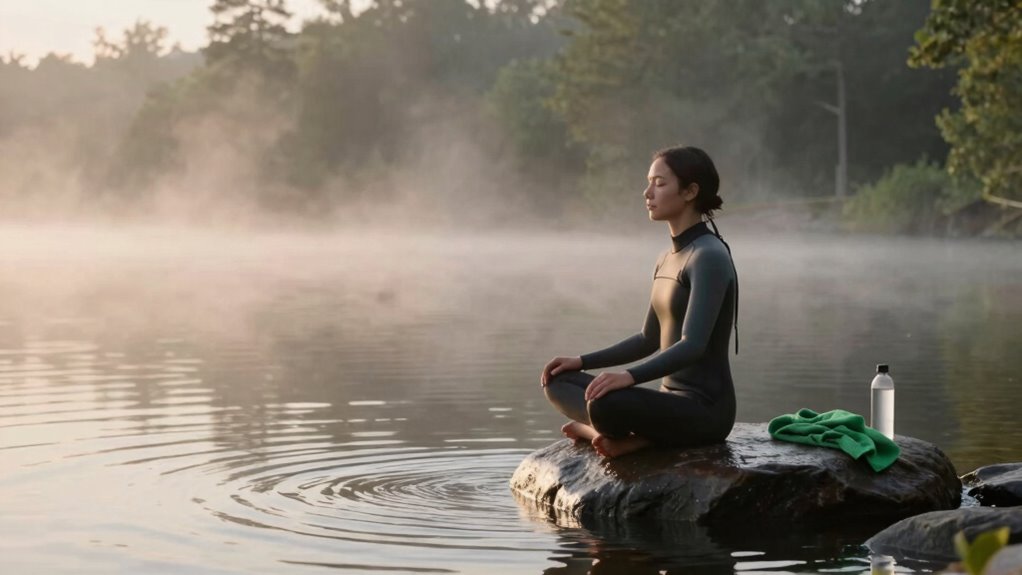

Recovery after water sessions is more important than you might think because it helps prevent injuries, reduces soreness, and improves your overall performance. Water workouts can cause significant muscle stress, even without visible fatigue or sweating. Proper rest, hydration, and muscle relaxation boost repair and adaptation, ensuring you stay injury-free and motivated. Neglecting recovery can lead to setbacks in progress and increased risk of strain. Keep exploring, and you’ll learn how to optimize your water workout recovery even further.

Get pool and patio gear delivered free with Prime
- Fast, free delivery on millions of items
- Prime Video, Amazon Music and more included
- Member-only deals all year
Key Takeaways
- Water sessions can cause significant muscle fatigue and dehydration, requiring proper recovery to prevent injury.
- Recovery enhances muscle repair and adaptation, optimizing progress after water-based workouts.
- Hydration and relaxation techniques are crucial post-water sessions to reduce stiffness and promote circulation.
- Overlooking recovery increases the risk of burnout and prolongs soreness, hindering ongoing water workout performance.
- An integrated recovery approach ensures sustained health, motivation, and continuous improvement in water exercise routines.

After a water session, your body needs proper recovery to maximize benefits and prevent injury. Water workouts are excellent for building strength, endurance, and cardiovascular health, but they also place unique demands on your muscles and hydration levels. Skipping recovery or rushing through it can diminish your progress and increase the risk of soreness or strain. That’s why focusing on effective recovery strategies is essential, especially after aquatic sessions.
Proper recovery after water workouts prevents injury and maximizes progress. Prioritize hydration, rest, and muscle relaxation.
One of the most important aspects of recovery is implementing proper hydration strategies. Water sessions lead to significant fluid loss through sweat, even if you don’t feel as sweaty as during land-based workouts. Replenishing these fluids helps maintain your electrolyte balance, supports muscle function, and prevents dehydration—which can cause fatigue, dizziness, and cramps. Drinking water is necessary, but consider adding electrolyte-rich drinks if your session was particularly intense or long. Proper hydration also aids in flushing out metabolic waste products from your muscles, speeding up the recovery process. Electrolyte balance is crucial for maintaining optimal muscle function and preventing cramps. Ensuring your hydration levels are adequate after water workouts is essential for effective recovery and overall performance.
In addition to hydration, muscle relaxation plays a key role in recovery after water workouts. The buoyancy of water reduces impact and minimizes joint stress, but your muscles still undergo stress and micro-tears during exercise. To promote muscle relaxation, incorporate gentle stretching or self-massage techniques post-workout. Activities like foam rolling or using a massage stick can help release tension and improve blood flow, delivering nutrients to your muscles and removing waste products. Adequate muscle relaxation reduces stiffness and soreness, allowing you to get back to your routine more quickly. Incorporating recovery techniques such as contrast baths or warm compresses can further enhance muscle relaxation and reduce discomfort.
Recovery isn’t just about immediate actions; it also involves giving your muscles time to heal and adapt. Rest days or lighter activity between intense water sessions help prevent overtraining and allow your tissues to repair. Nutrition also plays a key role—focus on consuming protein and anti-inflammatory foods that support muscle repair and reduce swelling. Sleep is equally important, as it’s when your body does a lot of its repair work. Incorporating proper rest is vital for optimal recovery, especially after sessions that challenge your muscles. By prioritizing rest, you allow your body to recover fully and reduce the risk of injury or burnout.
All these elements—hydration strategies, muscle relaxation, rest, and nutrition—work together to optimize your recovery process. When you give your body what it needs after a water session, you not only reduce soreness but also enhance your overall performance. Recovery is often overlooked, but it’s a fundamental part of your fitness journey. Taking the time to properly recover ensures you stay healthy, motivated, and ready to improve with each water workout.
As an affiliate, we earn on qualifying purchases.
Frequently Asked Questions
How Long Should Recovery Take After Water Sessions?
Recovery after water sessions typically takes 24 to 48 hours, depending on intensity. During this time, focus on hydration strategies to replenish lost fluids and electrolytes. Prioritize proper nutrition timing with protein and carbs to repair muscles and restore energy. Listen to your body—if you feel sore or fatigued, extend your recovery period and continue hydrating well. This approach helps you bounce back faster and perform better next time.
Are Specific Recovery Methods More Effective Post-Water Sessions?
Think of recovery methods as your secret toolkit for recharging after water sessions. Specific recovery techniques, like gentle stretching or foam rolling, enhance hydrotherapy benefits and optimize water immersion. These methods soothe muscles, boost circulation, and speed healing. By actively engaging in targeted recovery, you turn water immersion into a powerful healing wave, ensuring you feel refreshed and ready for your next aquatic adventure. Your body will thank you for the extra care.
Can Improper Recovery Lead to Injuries or Setbacks?
Yes, improper recovery can lead to injuries or setbacks. When you neglect muscle flexibility and mental resilience, your muscles remain tight, increasing the risk of strains or tears. Poor recovery also hampers mental resilience, making it harder to stay motivated and focused. Ensuring proper rest, stretching, and mental relaxation helps you recover fully, reducing injury risk and allowing you to perform better in future water sessions.
Does Recovery Vary Based on Water Session Intensity?
Absolutely, water session intensity impacts recovery. When you push harder with hydrotherapy techniques, your muscles need extra TLC afterward. Light sessions demand less recovery, but intense ones call for more rest and proper hydration. Ignoring this, even in water, can lead to setbacks or injuries. So, treat your water workouts like a fine wine—adjust recovery based on the session’s strength, and you’ll keep bouncing back stronger and pain-free.
What Signs Indicate Insufficient Recovery After Water Exercises?
If you’re not fully recovered after water exercises, you might notice persistent muscle soreness, fatigue, or decreased performance. These signs indicate your body needs better hydration strategies and longer rest durations. Pay attention to how your muscles feel and how tired you are, and don’t rush back into intense sessions. Proper hydration and adequate rest help your body repair and prevent injury, ensuring you get the most benefit from your water workouts.
Conclusion
Remember, recovery after water sessions isn’t just a pause; it’s your secret weapon. Just like the monks of old, who knew the importance of rest after their rituals, you need to honor your body’s signals. Skipping recovery is like trying to sail without a rudder—destined to veer off course. So, embrace your post-water session routine, and trust that proper rest will help you emerge stronger, more centered, like a knight ready to face the next adventure.
Halloween Picks
halloween
As an affiliate, we earn on qualifying purchases.