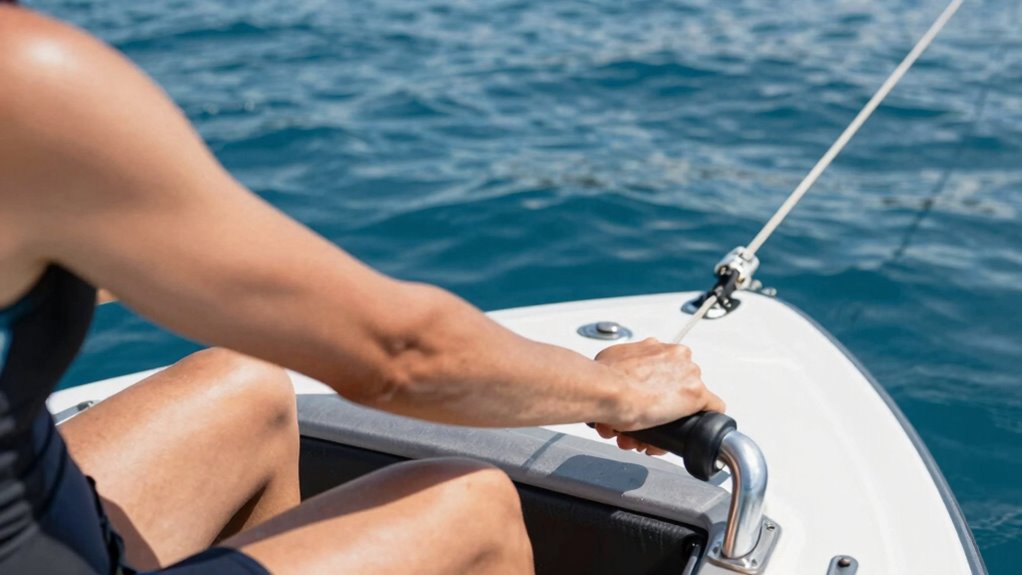

Proper rider weight distribution is essential for keeping your towable balanced and safe during watercraft rides. When you position riders correctly, it prevents tipping, flipping, or losing control, making the experience safer and more enjoyable. Heavier riders in the center or rear helps avoid nose-diving, while even weight spread keeps the ride stable. If you want to understand how to optimize weight for the best safety and performance, stay with us to learn more.

Get pool and patio gear delivered free with Prime
- Fast, free delivery on millions of items
- Prime Video, Amazon Music and more included
- Member-only deals all year
Key Takeaways
- Proper weight distribution ensures towables stay balanced, preventing tipping or flipping during watercraft towing.
- Even rider placement enhances overall stability and control, reducing sudden shifts that can cause accidents.
- Adjusting rider positions based on weight helps avoid nose-diving and maintains smooth ride dynamics.
- Maintaining correct weight distribution minimizes equipment stress and potential damage.
- Following safety guidelines on rider weight promotes longer equipment lifespan and safer water experiences.
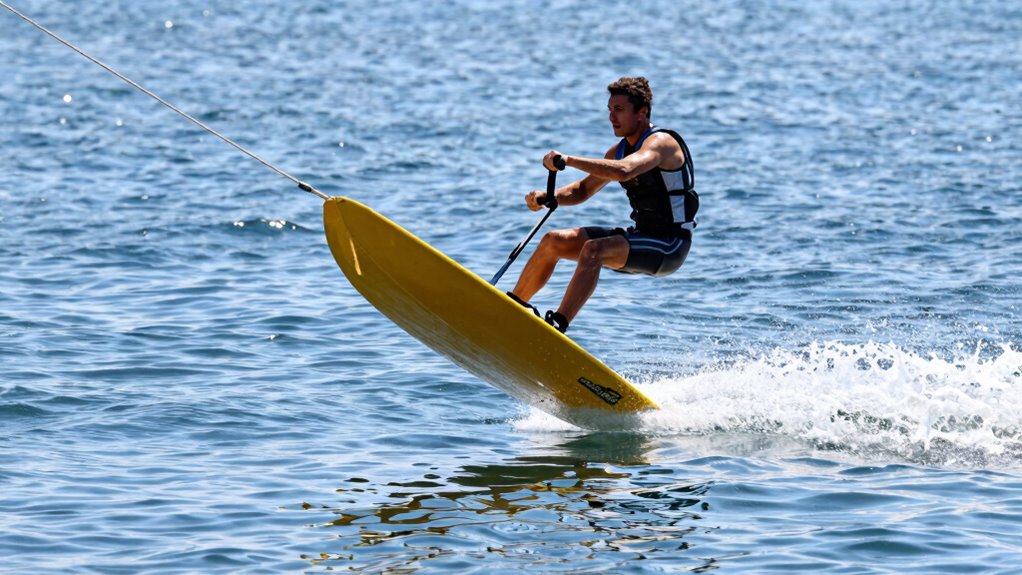
When it comes to towing a watercraft, understanding why rider weight distribution matters can make all the difference between a safe, smooth ride and a risky, unstable experience. Proper weight distribution ensures that the towable remains balanced, reducing the chances of tipping or flipping, which could lead to injuries or equipment damage. It’s essential to follow safety regulations, which often specify weight limits and distribution guidelines for various towables. Ignoring these regulations can result in dangerous situations, especially if the rider’s weight is unevenly distributed, causing instability or even loss of control. Staying within these limits helps maintain the safety of everyone involved and prolongs the lifespan of your equipment.
Proper weight distribution keeps towables balanced, safe, and prevents tipping or flipping during watercraft towing.
Equally important is paying attention to equipment maintenance. Well-maintained towables, ropes, and related gear are less likely to fail under stress caused by improper weight distribution. Regularly inspecting your equipment for wear and tear, checking for frayed ropes, damaged valves, or weakened seams, and ensuring that all parts are in good condition contribute significantly to safe towing. When your equipment is in top shape, it can better handle the forces exerted during water sports, especially when riders shift their weight unexpectedly. Proper equipment maintenance not only enhances safety but also keeps your towables performing reliably over time.
Understanding how rider weight impacts the dynamics of towing helps you make smarter decisions on the water. For instance, placing heavier riders in the center or towards the rear of the towable can prevent nose-diving or flipping. Distributing weight evenly, especially when multiple riders are involved, minimizes sudden shifts that could destabilize the craft. It’s always a good idea to communicate with your riders about how to sit and hold on during the ride, emphasizing stability. Additionally, adjusting the towline length and tension based on rider weight and water conditions can improve control and comfort.
Ultimately, your focus should be on safety and equipment longevity. Respect safety regulations, routinely maintain your gear, and pay close attention to how rider weight impacts your towable’s balance. Doing so ensures a fun, exciting experience on the water without risking unnecessary accidents or equipment failure. When you prioritize these elements, you safeguard everyone’s well-being and keep your water adventures smooth and enjoyable.
towable watercraft weight distribution
As an affiliate, we earn on qualifying purchases.
As an affiliate, we earn on qualifying purchases.
Frequently Asked Questions
How Does Rider Weight Distribution Affect Towable Speed?
Your rider weight distribution directly impacts towable speed through hydrodynamic balance and rider positioning. When weight is evenly distributed, the towable glides smoothly, reducing drag and increasing speed. Shifting weight too far forward or backward causes imbalance, creating resistance and slowing you down. Proper rider positioning ensures the towable maintains peak hydrodynamic balance, allowing you to maximize speed and enjoy a smoother, faster ride.
Can Uneven Weight Distribution Cause Damage to the Towable?
Uneven weight distribution can definitely cause damage to your towable. Studies show that improper loading increases strain on anchor points, risking tears or tears in the material. When rider weight isn’t balanced, rope tension fluctuates unpredictably, stressing the towable’s structure. This imbalance can lead to premature wear or even failure, so always guarantee a balanced load to protect your gear and enjoy safer, more durable rides.
What Is the Ideal Weight Distribution for Multiple Riders?
For multiple riders, aim for balanced weight distribution to guarantee safety and peak performance. Place heavier riders toward the center and distribute others evenly around them. Follow safety precautions by avoiding overcrowding and adjusting the towable if needed. Equipment modifications, like adding handles or pads, can help maintain balance. Always communicate with riders to prevent uneven weight, reducing the risk of tipping and damage to your towable.
How Does Rider Weight Impact the Towable’s Stability?
Imagine riding a wave with all your weight in one spot—your towable becomes a teetering boat. Rider weight directly impacts hydrodynamic balance, making the towable more stable or prone to flips. Proper rider positioning distributes weight evenly, helping maintain control and smooth rides. When you shift your weight strategically, you improve stability, preventing unwanted flips and ensuring everyone has a safe, fun experience on the water.
Should Weight Distribution Be Adjusted for Different Water Conditions?
Yes, you should adjust weight distribution based on water conditions. When facing strong water currents or wind influence, shifting your weight can help maintain control and stability. For example, in windy conditions, leaning into the wind can prevent the towable from tipping or spinning. Similarly, in rough water, redistributing weight can help you stay balanced and make your ride safer and more enjoyable.
Conclusion
Think of your towable as a finely tuned boat, where every weight shift is like adjusting the sails for smooth sailing. When you pay attention to rider weight distribution, you’re steering your adventure toward safer waters and more thrilling rides. Neglecting this balance is like trying to sail against the wind—untenable and risky. So, keep everyone evenly balanced, and you’ll guarantee your towable glides effortlessly, turning every trip into a memorable voyage rather than a shaky voyage off course.
Halloween Picks
halloween
As an affiliate, we earn on qualifying purchases.