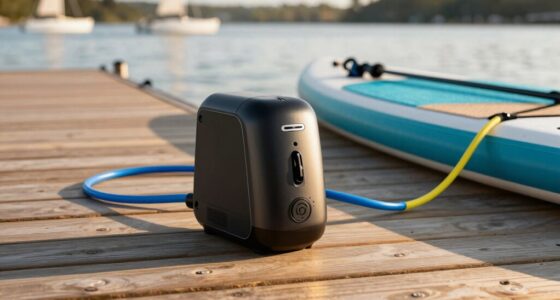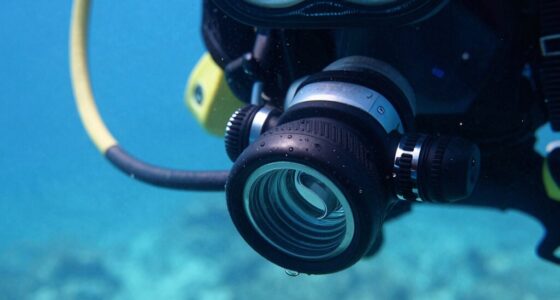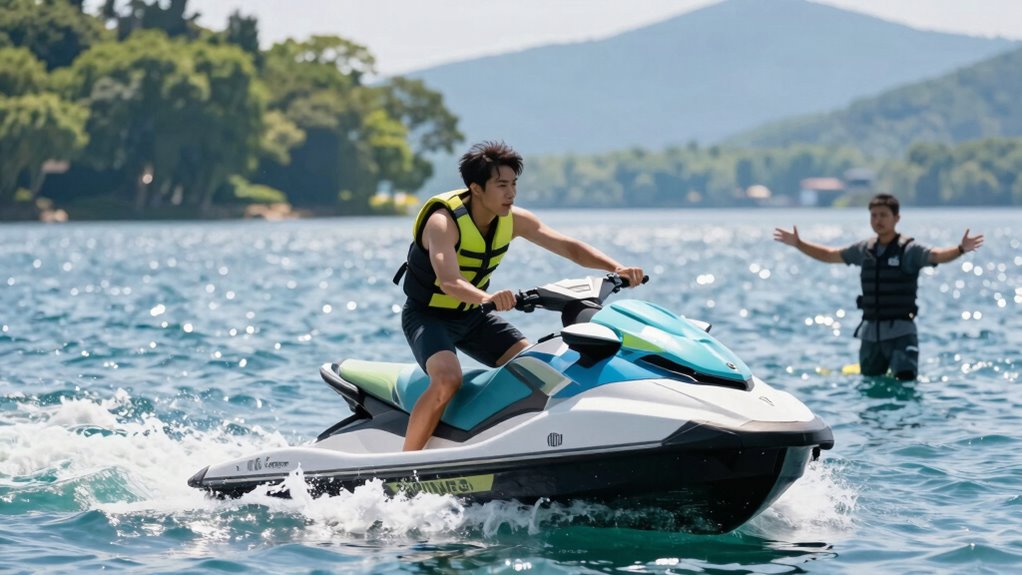

To learn water sports faster, shift your mindset to focus on growth and resilience. Embrace challenges as opportunities to learn, stay present in the moment, and view setbacks as valuable lessons. Managing risks confidently helps you push boundaries safely, while patience and persistence keep you motivated. Developing mental resilience reduces anxiety, improves adaptation, and makes your experience safer and more enjoyable. Keep exploring these mindset shifts to discover even greater progress and mastery.

Get pool and patio gear delivered free with Prime
- Fast, free delivery on millions of items
- Prime Video, Amazon Music and more included
- Member-only deals all year
Key Takeaways
- Adopting a growth mindset encourages persistence and viewing setbacks as learning opportunities.
- Practicing mindfulness and staying present enhances focus and accelerates skill development.
- Managing risks confidently allows adults to push boundaries safely and learn faster.
- Developing mental resilience helps maintain calm and adapt quickly during unpredictable water conditions.
- Embracing patience and consistent practice fosters gradual improvement and enjoyment in water sports.
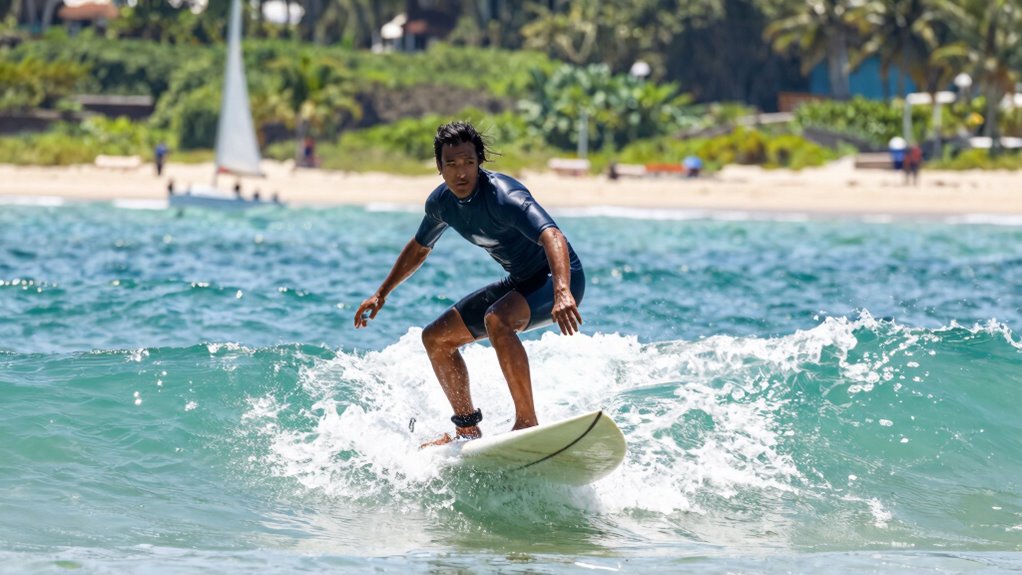
Water sports aren’t just about mastering techniques or conquering waves—they’re increasingly about shifting your mindset. When you approach activities like surfing, kayaking, or windsurfing with a new perspective, you access faster learning and greater enjoyment. The key lies in developing mental resilience—your ability to stay calm and focused amid unpredictable situations. This resilience helps you recover from mistakes without frustration, turning setbacks into valuable lessons rather than barriers.
Shifting your mindset enhances water sports learning, turning setbacks into lessons and boosting enjoyment through resilience and adaptability.
Risk management is another essential component of this mindset shift. Water sports inherently involve some level of risk, but rather than avoiding it, you learn to assess and control it. This means understanding your limits, recognizing hazards, and making informed decisions that keep you safe while still pushing your boundaries. When you see risks not as obstacles but as opportunities to learn, your confidence grows. This confidence fuels your willingness to try new techniques or venture into unfamiliar waters, accelerating your progress. Building a growth-oriented attitude can also enhance your overall approach to tackling challenges beyond water sports.
Adopting this growth-oriented attitude also means embracing patience and persistence. Learning to surf or paddle efficiently isn’t about instant mastery; it’s about consistently showing up and pushing yourself slightly beyond your comfort zone. When setbacks happen, instead of feeling discouraged, you see them as part of the learning process. This resilience helps you stay motivated, even when progress seems slow. Over time, your ability to manage risk and bounce back from failures boosts your overall mental toughness, making you more receptive to new skills and techniques. Additionally, understanding mental resilience as a key factor can guide you in developing strategies to stay focused during stressful situations. Recognizing the importance of adaptability can also help you adjust your approach when conditions change unexpectedly. Incorporating a safety mindset further supports your growth by encouraging consistent safety practices, which enhances confidence and reduces accidents.
Furthermore, shifting your mindset allows you to stay present during water activities. Instead of worrying about past mistakes or future fears, you focus on the here and now—your body’s movements, the feel of the water, and the current conditions. This mindfulness not only improves your technique but also reduces anxiety, making learning more effective. The more you stay grounded, the quicker you adapt and improve.
Ultimately, your mindset plays a critical role in how fast you learn water sports. By cultivating mental resilience, practicing risk management, and maintaining patience, you create an environment where growth happens naturally. This shift doesn’t just help you learn faster—it transforms your entire experience, making water sports more enjoyable, safe, and rewarding. Embracing a mindset rooted in biodiversity awareness can also positively influence your overall approach to sustainable living and respecting nature’s delicate balance.
As an affiliate, we earn on qualifying purchases.
Frequently Asked Questions
How Long Does It Typically Take Adults to Master Water Sports Skills?
It typically takes adults a few weeks to several months to master water sports skills, depending on your commitment and practice frequency. Improving water confidence helps you learn faster, while consistent practice enhances skill retention. As you gain confidence and practice regularly, you’ll notice progress more quickly. Remember, patience and persistence are key. Keep a positive mindset, and you’ll find yourself mastering water sports with increased speed and ease.
What Mental Blocks Commonly Hinder Adult Learners in Water Sports?
You might face mental barriers like fear of falling or self-doubt that hinder your progress in water sports. These mental blocks often stem from lack of confidence, making you hesitant to try new techniques or push boundaries. To overcome this, focus on confidence building through positive reinforcement and small successes. By shifting your mindset, you’ll find yourself more relaxed, motivated, and quicker to master new skills in the water.
Are There Specific Mindset Exercises to Accelerate Water Sports Learning?
You can accelerate your water sports learning by practicing positive visualization daily, imagining yourself confidently mastering each move. Pair this with cultivating a growth mindset, embracing mistakes as learning opportunities rather than setbacks. As you picture success and adopt this resilient outlook, your confidence grows, making each lesson feel less intimidating. This mental shift transforms your approach, turning frustration into motivation, and speeds up your progress in the water.
How Does Fear Impact the Learning Process for Adults in Water Sports?
Fear can cause paralysis, making you hesitant and less willing to try new water sports techniques. It stalls your progress and diminishes confidence. To overcome this, focus on confidence-building exercises that gradually expose you to water activities. As your confidence grows, fear subsides, and you become more comfortable. This shift helps you learn faster, embrace challenges, and enjoy water sports with greater ease and enthusiasm.
Can Mindset Shifts Improve Safety Awareness in Water Sports?
Think of your mindset as a lighthouse guiding your safety in water sports. When you shift your perspective, you improve risk perception and build confidence, making safety second nature. This mental change sharpens your awareness of hazards and empowers you to act wisely. By embracing a proactive attitude, you not only protect yourself but also encourage others to prioritize safety, transforming water adventures into secure experiences you can truly enjoy.
Conclusion
As you embrace this new mindset, you might find yourself unexpectedly catching a wave or gliding smoothly across the water. It’s funny how a simple shift in perspective can reveal skills you never thought possible. Sometimes, the most surprising progress happens when you stop overthinking and just trust the process. Remember, every splash and stumble is part of your journey. Keep going — the water’s waiting, and so are the amazing moments ahead.
Halloween Picks
halloween
As an affiliate, we earn on qualifying purchases.