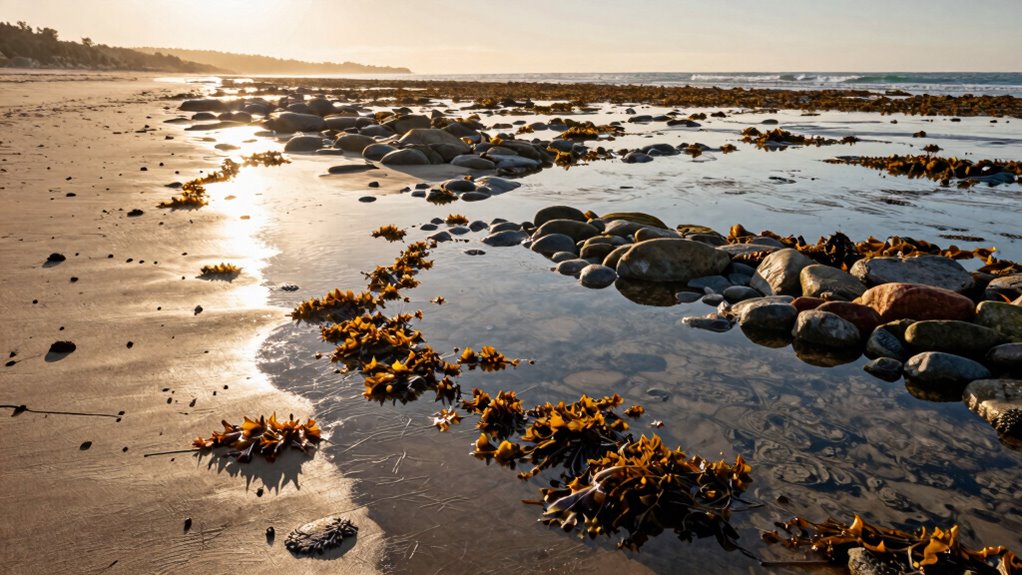

Low tide can completely change your beach plans by exposing hidden shoreline areas, tide pools, and rocky spots that are usually submerged. This opens up new opportunities for exploration, wildlife observation, and discovering natural features. You might find yourself unable to access some spots during high tide, but low tide transforms the beach into an adventurous landscape. Stick around, and you’ll discover how to make the most of these shifting conditions for a more exciting visit.

Get pool and patio gear delivered free with Prime
- Fast, free delivery on millions of items
- Prime Video, Amazon Music and more included
- Member-only deals all year
Key Takeaways
- Low tide exposes new areas, allowing access to tide pools and hidden shoreline features previously underwater.
- It alters typical swimming and sunbathing spots, requiring plan adjustments for safety and enjoyment.
- Increased accessibility to otherwise submerged regions opens opportunities for exploration and marine life observation.
- Timing visits around tidal cycles ensures optimal experience and prevents missing key sights or activities.
- Low tide provides educational and recreational opportunities by revealing diverse ecosystems and natural treasures.
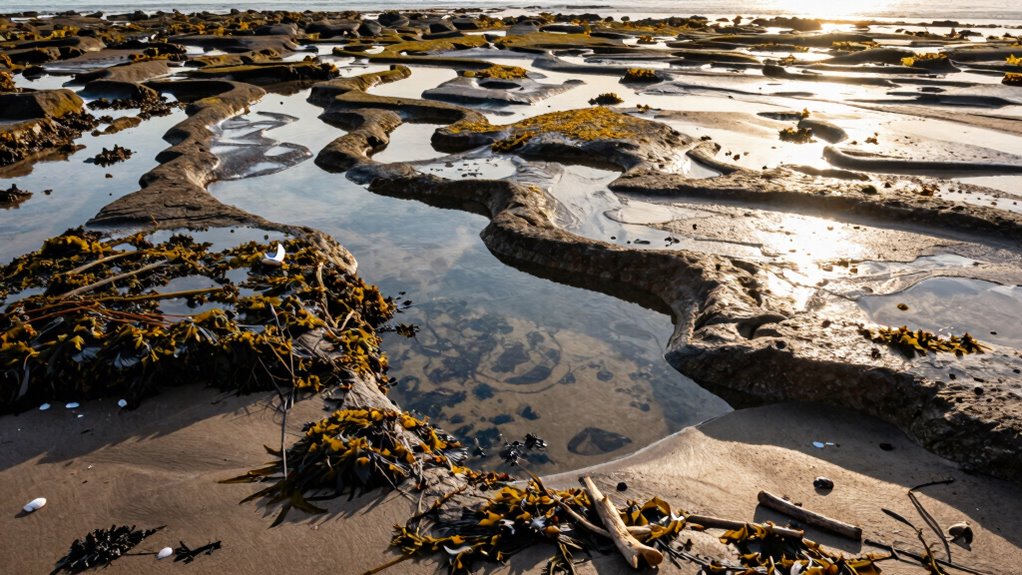
Have you ever arrived at the beach only to find your plans disrupted by the changing tide? It’s a common experience, and it happens because low tide significantly alters the landscape and what you can do there. When the tide recedes, it exposes areas that are normally underwater, revealing a world that’s rich in marine life and full of surprises. Suddenly, the beach becomes a different place, and your plans to swim or sunbathe might need to shift to exploring tide pools and searching for hidden creatures.
During low tide, the shoreline transforms into a network of tide pools—small pockets of water trapped in rocks and sand. These tiny ecosystems are teeming with marine life like crabs, starfish, sea anemones, and various shellfish. If you weren’t planning to explore these pools, you might miss out on some of the most fascinating sights the beach has to offer. As the water pulls back, you can walk along the exposed rocks and sand, getting a closer look at these creatures in their natural habitats. It’s a chance to observe marine life up close, but only if you’re willing to adapt your plans and take the time to explore these hidden corners.
During low tide, explore tide pools teeming with crabs, starfish, sea anemones, and shellfish in their natural habitats.
The changing tide also impacts the accessibility of certain areas. For example, some sections of the beach might be completely inaccessible during high tide but open and inviting at low tide. This could mean that your usual spot for relaxing or picnicking is now submerged or blocked off. You might need to find a new vantage point or change your itinerary to include exploring tide pools or walking along the newly exposed shoreline. Low tide can turn your relaxing day into an adventure, especially if you’re interested in marine biology or simply want to discover the beach’s hidden treasures. Being aware of tidal patterns can help you plan better and maximize your experience. Recognizing the tidal cycle can also enhance your understanding of the environment and enrich your beach visits.
Timing is everything with tides. If you’re not aware of when low tide occurs, you might arrive expecting a full day of swimming and sunbathing, only to find the water receding rapidly. Checking tide charts before heading out helps you plan better, so you can make the most of the low tide hours. Whether you’re eager to explore tide pools, hunt for shells, or simply enjoy a walk along the exposed seabed, understanding the tide’s schedule allows you to adapt your plans and enjoy the beach to its fullest. Being familiar with tidal fluctuations can also help you anticipate changes and prevent disappointment. Knowing about tidal cycles can help you prepare for the different experiences each phase offers, making your beach visit more enjoyable and educational. Low tide isn’t just a minor change—it’s a whole different experience waiting to be discovered if you’re prepared to embrace it.
As an affiliate, we earn on qualifying purchases.
Frequently Asked Questions
How Do I Predict When Low Tide Will Occur?
You can predict when low tide will occur by checking tide charts, which provide daily tide times based on your location. These charts consider lunar phases, as the moon’s cycle influences tide levels. Most coastal areas have online or printed tide charts you can consult in advance. By paying attention to lunar phases and tide schedules, you’ll know precisely when low tide happens, helping you plan your beach activities accordingly.
Can Low Tide Affect Swimming Safety?
You might think low tide makes swimming safer, but ironically, it can actually threaten your safety. As water recedes, sharp rocks and marine ecosystems are exposed, increasing injury risks. Plus, tidal waves and currents can shift unexpectedly near these shallow areas, making swimming more dangerous. So, while low tide reveals hidden treasures, it also exposes hazards, making it essential to stay alert and respect the changing ocean conditions.
What Wildlife Is Visible During Low Tide?
During low tide, you can spot fascinating marine creatures like starfish, crabs, and sea anemones in tidal pools. These pools act as mini ecosystems, revealing a variety of marine life that’s usually hidden underwater. As the water recedes, you get a unique chance to observe and explore these creatures up close, making your beach visit even more exciting. Just be gentle and respectful of the delicate tidal pool habitats.
How Does Low Tide Impact Beach Activities?
Low tide is like opening a secret doorway on the beach, transforming your plans. You can build impressive sandcastles in the newly exposed sand or plunge into tidepool exploration, discovering marine life hidden beneath rocks. Activities like swimming or surfing might be less appealing, but you gain unique opportunities for beachcombing and observing wildlife. Embrace the shift, and you’ll find low tide offers a fresh, exciting way to enjoy your time by the sea.
Are There Specific Beaches Better During Low Tide?
Yes, some beaches are better during low tide for beachcombing treasures and tidal pool exploration. You’ll find more marine life and interesting shells when the water recedes, revealing hidden nooks. Popular spots with rocky areas or shallow pools shine during low tide, making your adventure more rewarding. So, check tide charts before heading out — low tide offers unique opportunities that high tide simply can’t match.
Conclusion
So, next time you head to the beach, remember that low tide can dramatically alter your plans. It’s fascinating how the tide shifts, revealing or hiding features you didn’t expect. Did you know that low tide can uncover up to 80% of the beach’s surface, giving you new exploration opportunities? Keep an eye on the tide schedule, and you’ll make the most of your beach day, no matter what time you arrive.
Halloween Picks
halloween
As an affiliate, we earn on qualifying purchases.