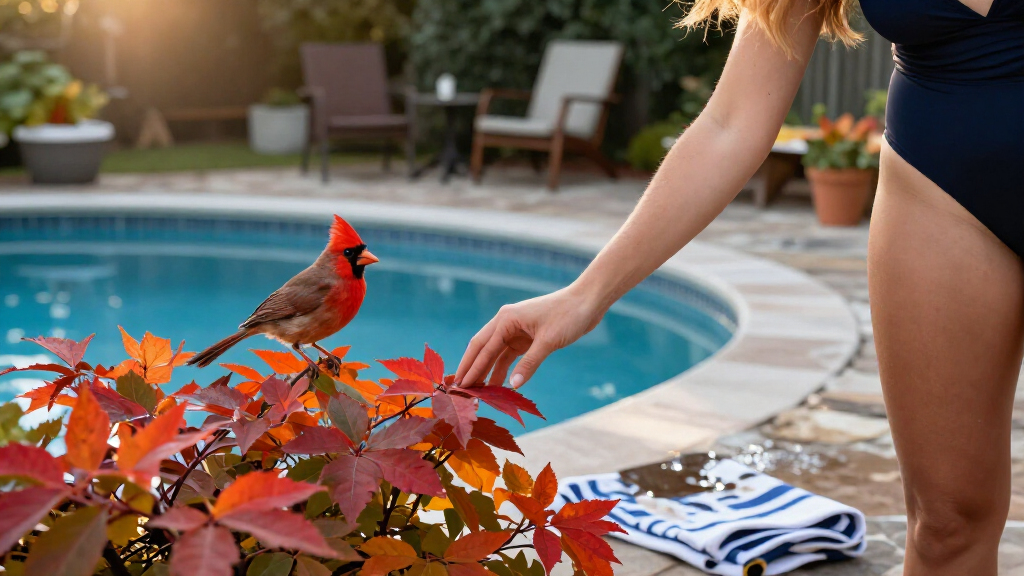

TL;DR

Get pool and patio gear delivered free with Prime
- Fast, free delivery on millions of items
- Prime Video, Amazon Music and more included
- Member-only deals all year
A Gardening Know How report spotlights black chokeberry (Aronia melanocarpa), a native eastern North American shrub with crimson-to-burgundy fall foliage, white flowers and berries eaten by birds including cardinals. The article presents it as an alternative to burning bush, which it says is considered invasive in many states; local suitability and cultivar requirements should be checked.
Gardening Know How is highlighting black chokeberry (Aronia melanocarpa) as a native alternative to burning bush, citing its red-to-burgundy autumn leaves, white flowers and dark berries that can attract birds, including cardinals. The report frames the shrub as an option for gardeners seeking fall color while avoiding a plant it says is considered invasive in many states.
Black chokeberry is native to eastern North America and typically grows about 3 to 6 feet tall and wide, according to the report. That size can suit home gardens where a larger shrub or small tree would be impractical. Suggested uses include mixed borders, native shrub plantings and wildlife-friendly landscapes.
The report says the shrub grows in full sun to partial shade and tolerates a range of soil conditions. It gives a general hardiness range of USDA zones 3 to 8, while advising readers to check a specific cultivar’s requirements and suitability for their local climate. Once established in an appropriate location, it generally needs little intervention, the article says; pruning can be done as needed to manage its shape.
Its seasonal appeal extends beyond foliage: black chokeberry produces white flowers and black berries. Gardening Know How says the fruit can attract cardinals, waxwings, finches and robins. The source describes those berries as food for birds, but does not provide measurements of wildlife use or compare the shrub’s performance with burning bush in a controlled trial.
A Native Option With More Than Fall Color
The recommendation matters to gardeners who want autumn color without relying on a shrub that may spread beyond cultivated areas. Gardening Know How says burning bush is considered invasive in many states because it can escape gardens and compete with plants in natural areas. That concern makes locally appropriate native alternatives relevant to planting decisions.
Black chokeberry offers several garden features in one plant: fall foliage, flowers and berries. Its stated compact size may also make it easier to fit into residential landscapes than a larger shrub. The report’s description of birds eating its fruit adds a wildlife-supporting consideration, though the article does not quantify that benefit or establish that every planting will attract cardinals.
Choosing a native shrub does not remove the need to check local conditions. Gardeners should confirm that black chokeberry is suitable for their region and consider the mature size and growing requirements of the cultivar they select.
black chokeberry Aronia melanocarpa live shrub plant
As an affiliate, we earn on qualifying purchases.
As an affiliate, we earn on qualifying purchases.
Why Gardeners Compare It With Burning Bush
Burning bush is familiar to many gardeners in part because of its vivid autumn foliage. The Gardening Know How report acknowledges that appeal but argues that foliage is not the only factor in choosing a shrub. It contrasts burning bush, which it describes as primarily grown for its leaves and compact form, with black chokeberry’s flowers and fruit.
The source identifies black chokeberry by its scientific name, Aronia melanocarpa, and describes it as a native of eastern North America. Its fall color can range from crimson red to burgundy. The report also mentions named cultivars available from retailers, but offers no independent comparison of cultivars, prices or availability.
“Black chokeberry is a native of eastern North America.”
— Gardening Know How
Local Suitability and Wildlife Effects
The source does not specify when the report was published, provide regional data on black chokeberry’s performance, or compare its fall color directly with burning bush in a trial. It also does not quantify how often cardinals or other birds feed on the berries. The claim that burning bush is considered invasive in many states is presented broadly; the article does not list the states or describe local regulations.
The stated USDA zones 3 to 8 are a general range, not a guarantee for every cultivar or site. Soil, light, local climate and plant selection may affect results, and the report does not provide detailed care instructions for every growing condition.
Check Cultivar and Local Guidance
Readers considering black chokeberry should check the selected cultivar’s growing requirements and confirm that it suits their local climate and garden conditions. They can also consult local extension services or native-plant resources for region-specific guidance on planting and care.
The source provides no announced follow-up research or scheduled next development. The immediate next step for gardeners is to compare the shrub’s mature size and site needs with their planting space, and to check local information about burning bush before choosing an alternative.
Key Questions
What is black chokeberry?
Black chokeberry, or Aronia melanocarpa, is a shrub native to eastern North America. Gardening Know How describes it as a plant with white flowers, dark berries and crimson-to-burgundy fall foliage.
How large does black chokeberry grow?
The report gives a typical mature size of about 3 to 6 feet tall and wide. A specific cultivar may differ, so check its label or supplier information before planting.
Does black chokeberry attract cardinals?
Gardening Know How says the shrub’s berries attract birds, including cardinals, along with waxwings, finches and robins. The source does not quantify bird visits or guarantee that cardinals will appear at every planting.
Can black chokeberry grow in my area?
The report gives a general hardiness range of USDA zones 3 to 8 and says the shrub tolerates full sun to partial shade and a range of soils. Check local guidance and the requirements of the particular cultivar before planting.
Why consider it instead of burning bush?
The report presents black chokeberry as a native option with fall color, flowers and berries. It also says burning bush is considered invasive in many states, so gardeners should check regional guidance when making a planting decision.
Source: rss
Halloween Picks
halloween
As an affiliate, we earn on qualifying purchases.