TL;DR

Get pool and patio gear delivered free with Prime
- Fast, free delivery on millions of items
- Prime Video, Amazon Music and more included
- Member-only deals all year
Gardening Know How recommends eight fall measures to make frequently used garden areas less attractive to snakes, including clearing debris, trimming vegetation, reducing food sources and sealing building gaps. Its report identifies October as a useful time to act as snakes seek winter shelter, but the advice is guidance, not a guarantee that snakes will leave.
Gardening Know How has published an eight-step fall checklist for making garden areas less attractive to snakes, recommending that homeowners clear hiding places, trim vegetation, reduce prey and close access gaps. The report describes October as a useful time to act, when it says snakes may seek sheltered places for winter brumation; the measures are deterrence advice, not a guarantee that snakes will leave a property.
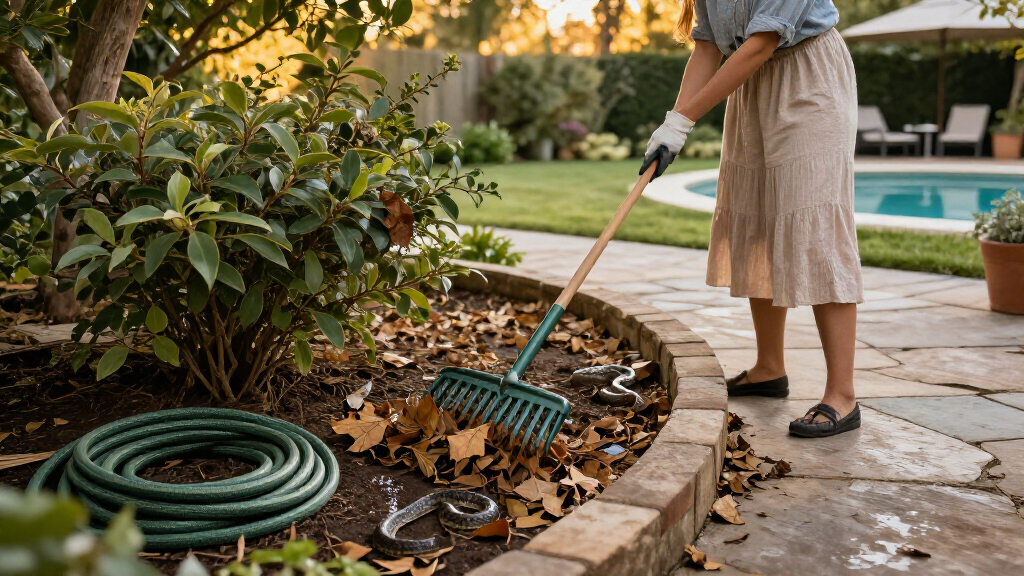
The checklist focuses on reducing cover in areas people regularly use while allowing homeowners to leave habitat in less-used parts of a yard. It advises identifying cool, damp and undisturbed spots, clearing clutter, trimming vegetation and moving firewood stacks or compost piles farther from the house when practical. It warns readers to use tools rather than hands when clearing possible snake cover.
Other suggestions include keeping grass at 3 inches or less, trimming low shrub branches to expose the ground, and using fine compost instead of chunky bark or straw mulch. The report also recommends reducing food that attracts rodents and insects: for example, catching spilled birdseed or switching to a less-wasteful bird feed. It advises sealing gaps around sheds and other structures that could provide entry.
The article says fall cooling can prompt snakes to look for places to brumate, a winter period of reduced activity. It also notes that snakes may be drawn to gardens by prey, rather than by birdseed itself. These explanations and recommendations come from Gardening Know How’s report; it does not provide a controlled study measuring how effective each step is.
Reducing Cover Near Garden Use
For people concerned about encountering snakes near homes, play spaces or regularly used paths, the checklist offers practical ways to reduce shelter and food in those specific areas. It does not call for removing all wildlife habitat: the report says homeowners can preserve shelter in unused corners while making high-traffic parts of a yard less inviting.
The distinction matters because the source notes that many snakes provide ecological benefits, including eating rodents, slugs and insects. It says about one-quarter of native U.S. snake species are venomous; that figure is presented in the source article and does not identify the risk from any particular snake in a reader’s garden. Local species and safety guidance vary, so readers should consult local wildlife or public-safety authorities if they find a snake they cannot identify.
As an affiliate, we earn on qualifying purchases.
Why the Report Emphasizes October
Gardening Know How ties its timing recommendation to seasonal behavior. It says that as temperatures fall to around 60°F, snakes may begin scouting for frost-free places to brumate. The report describes brumation as similar to hibernation, but less deep, and says snakes may be more active while searching for winter shelter and food.
The article also raises the possibility that snakes may return to the same sheltered places to breed. It says a typical female can produce 10 to 30 young, but offers no species-specific breakdown or evidence that a particular yard will become a breeding site. October is the article’s recommended window, not a universal deadline: local weather, species and conditions can differ.
““October is the very best time of the year to make your yard inhospitable to snakes.””
— Gardening Know How
Limits of the Eight-Step Advice
The report does not cite trial results showing how much any one measure reduces snake visits, or how often the full checklist succeeds. It also does not specify which snake species or climate zones its timing applies to. The October recommendation is therefore general guidance, and local conditions may change when snakes seek shelter.
Clearing cover may make an area less attractive, but it cannot confirm that a snake is absent or prevent one from entering a yard. The source does not explain what to do if a snake is found during cleanup. Readers should avoid handling snakes and seek advice from local wildlife services or qualified professionals, particularly if the animal may be venomous.
Practical Steps for Homeowners
Homeowners following the report can begin by inspecting the areas they use most, then remove clutter and trim grass or shrubs with care. Before moving wood, compost or debris, they should use tools and look for signs of wildlife rather than reaching into concealed spaces. Gaps around sheds and other buildings can be checked and repaired as part of routine fall maintenance.
The article offers no scheduled follow-up, new research or official review of the recommendations. Readers should treat the checklist as seasonal yard-management advice and check local wildlife guidance for species-specific safety information. Whether the measures reduce snake activity at an individual property will depend on local habitat, prey and weather.
Key Questions
Why does the report recommend taking action in October?
Gardening Know How says falling temperatures may prompt snakes to seek sheltered places for winter brumation. It presents October as a useful time to reduce shelter and food, though timing can vary by location and species.
Which garden changes does the checklist recommend?
The eight steps include clearing clutter, keeping grass short, pruning low shrub branches, using fine compost mulch, reducing prey attracted by spilled birdseed, and sealing gaps in sheds or other structures. The report also recommends checking likely hiding spots and moving some shelter away from the house.
Does the advice guarantee snakes will leave?
No. The source describes ways to make parts of a garden less attractive, but gives no success rate or evidence that the measures will remove snakes from every yard.
Are all snakes in a garden dangerous?
No. The report says many snakes are helpful predators and that about one-quarter of native U.S. species are venomous. That broad figure does not identify a snake found locally; avoid handling an unidentified snake and consult local wildlife authorities.
Source: rss
Fall Picks
fall essentials
As an affiliate, we earn on qualifying purchases.