
TL;DR

Get pool and patio gear delivered free with Prime
- Fast, free delivery on millions of items
- Prime Video, Amazon Music and more included
- Member-only deals all year
Gardening Know How reports that zip-up horticultural fleece jackets can help protect garden plants from frost, wind and other winter damage. The report says fleece weight affects both estimated temperature protection and how much sunlight reaches a covered plant, so the right choice depends on the plant and conditions.
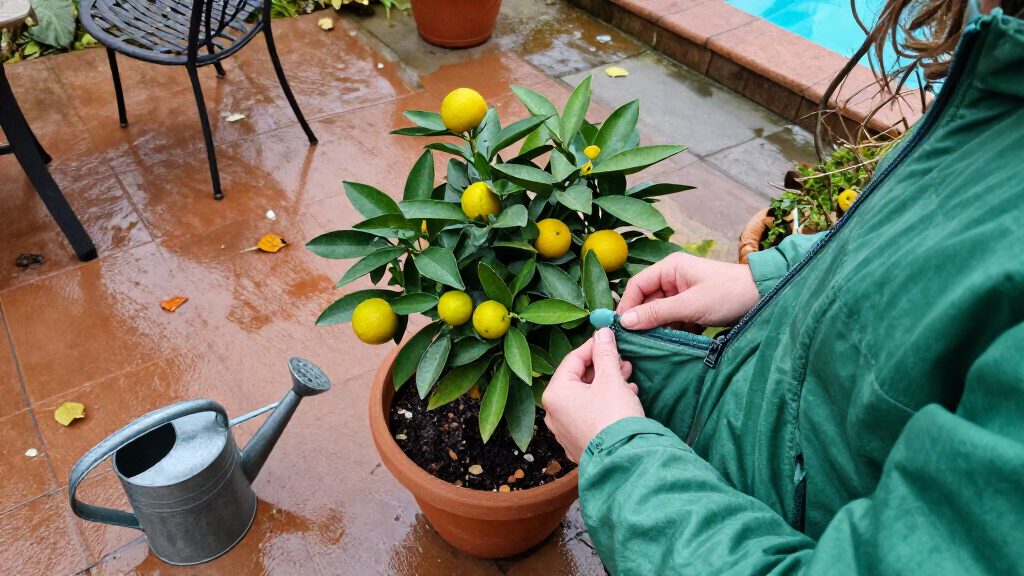
Gardening Know How has published advice on using zip-up horticultural fleece jackets to protect garden plants during winter, with guidance on how fabric weight affects both cold protection and light. The report says jackets can help shield plants including citrus, olives, palms and early-flowering shrubs, but the appropriate cover depends on a plant’s needs and the expected conditions.
The report describes horticultural fleece as a non-woven fabric typically made from polypropylene, with weight commonly shown in grams per square meter (gsm) or ounces per square yard. Its guidance says heavier fleece generally provides more insulation while allowing less sunlight through. For example, it puts 30–35gsm fleece at about 4°F of protection and roughly 65% light transmission, while 50–60gsm fleece is estimated to provide about 7°F of protection and pass about 50% of sunlight.
At the heavier end, the report gives 70–100gsm fleece an estimated 8–10°F of protection and 20–30% light transmission. It also describes 17gsm fleece as a short-term frost cover for late-season crops, offering around 2°F of protection while allowing about 85% of sunlight through. These figures are presented as guidance in the report, not as a guarantee for every garden or weather event.
Plant type matters, the report says. Dormant banana plants and tree ferns in cold regions may be covered with heavier fleece after being insulated with straw, while deciduous shrubs can use thicker covers because they lose their leaves. Evergreen plants need light and air; for those, the article recommends medium-weight fleece for general protection and says covers with zippers and drawstring bases can be opened to ventilate on milder days.
Choosing Covers Without Blocking Light
Winter covers can help gardeners limit damage from frost, wind, snow and sleet, but a cover that is too heavy for a plant may reduce its access to sunlight. The weight guidance gives readers a way to compare products and weigh cold protection against light transmission, rather than choosing by appearance or size alone.
The advice is relevant to plants with different vulnerabilities. A late frost may damage the flower buds of camellias and magnolias even when the shrubs themselves are hardy, while young fruit trees may be susceptible to bark splitting in freezing conditions. According to the report, a suitable jacket can provide a temporary protective layer, but its effectiveness depends on conditions and how it is used.
Popular right now

KitchenAid Artisan 5-Qt Tilt-Head Stand Mixer – Almond Cream (KSM150PS)

De'Longhi Magnifica Evo Fully Automatic Espresso Machine with Manual Milk Frother, Silver

Bose QuietComfort Ultra Wireless Noise-Cancelling Headphones with Spatial Audio, Black
As an affiliate, we earn on qualifying purchases.
Fleece Weight and Plant Needs
The Gardening Know How article frames frost jackets as one part of winterizing a garden, rather than a universal solution. It distinguishes plants that can be covered continuously from evergreens that need light and ventilation. For tender evergreens in colder climates, it suggests using a medium-weight cover as a regular layer and adding heavier fleece during severe weather, or opening a heavier cover periodically if it is the main protection.
The report also notes that heavier fleece may help keep snow from weighing down brittle branches, while a zip can make it easier to air out a plant on milder days. Product descriptions may list fabric weight and sizes, but the article does not compare particular products through independent testing. Its temperature and light figures should be read as estimates attributed to the source.
“The higher the number, the more insulation it will provide but also block more sunlight.”
— Gardening Know How
Limits of the Protection Estimates
The source does not provide the article’s publication date, independent test results for the stated temperature ratings, or a forecast for any particular location. It also does not specify how long each cover can remain in place under changing weather. The quoted protection figures are estimates in the report; actual results may depend on the plant, cover fit, exposure, duration of cold and local conditions. A frost jacket should not be treated as a guarantee against severe or prolonged freezing.
Check Conditions Before Covering Plants
Gardeners considering a frost jacket can check the plant’s cold tolerance, the expected overnight temperatures and the cover’s stated gsm or ounces-per-square-yard rating before use. For evergreen plants, the report advises attention to sunlight and ventilation, including opening zippered covers on milder days. In colder zones, tender plants may need additional protection beyond fleece. The source provides general guidance rather than a location-specific forecast, so gardeners should adjust their approach to local conditions and the needs of each plant.
Key Questions
What does a frost-jacket weight rating mean?
The rating describes the weight of horticultural fleece, commonly listed in gsm or ounces per square yard. Gardening Know How says heavier fabric generally offers more insulation but lets less sunlight through.Which fleece weight does the report recommend?
There is no single weight for every plant. The report estimates that 30–35gsm fleece provides about 4°F of protection, 50–60gsm about 7°F, and 70–100gsm about 8–10°F, with lower light transmission at heavier weights.Can a frost jacket protect banana plants in a cold winter?
The report says fleece alone may not protect banana plants from deep cold in colder zones. It describes using the cover to hold insulating straw in place, but does not present it as a guarantee against severe freezes.Should an evergreen stay covered all winter?
The report says evergreens need sunlight and fresh air, and recommends medium-weight fleece for general winter protection. It advises opening zippered covers to ventilate on milder days, particularly when a heavier cover is used.Source: gardeningknowhow.com