TL;DR

Get pool and patio gear delivered free with Prime
- Fast, free delivery on millions of items
- Prime Video, Amazon Music and more included
- Member-only deals all year
An Ideal Home report recommends five preparations ahead of Bonfire Night: check bonfire materials for wildlife, protect outdoor furnishings, assess dry or flammable plants, confirm fireworks are permitted at your property and clear garden paths. The advice is aimed at people hosting displays and those whose gardens may be affected by nearby fireworks; it does not confirm any new rules or local restrictions.
Ideal Home has published five garden preparations for Bonfire Night, advising households to check bonfire materials for wildlife, protect outdoor furniture and remove garden hazards before fireworks begin. The checklist applies both to people planning a private display and to residents whose gardens may be affected by fireworks nearby.
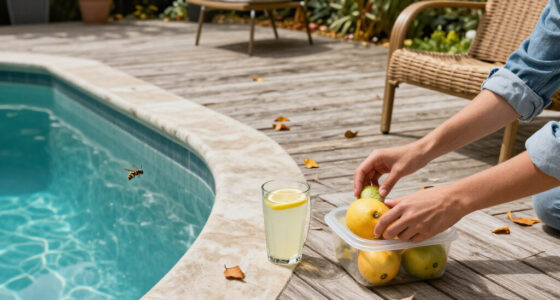
The most time-sensitive step is checking any bonfire pile before it is lit. James Ewens, a wildlife expert at Green Feathers, advises collecting materials early but building the pile on the day of the fire. If a pile has been left standing, he recommends carefully dismantling it and rebuilding it elsewhere by hand shortly before lighting, because animals may have moved in.
Ewens says to look for hedgehogs, bird nests, frogs and toads. If the pile cannot be dismantled, he suggests checking it carefully with a torch and gently lifting material with a broom handle rather than a fork, giving animals a chance to escape. The report also suggests providing an alternative shelter, such as a hedgehog house.
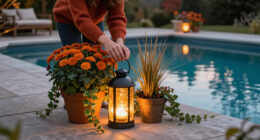
For furnishings, Andrew White, an outdoor expert at Harbour Lifestyle, advises moving cushions and other soft items under shelter or covering them with a breathable, water- and fire-resistant cover. He says sparks and embers from nearby displays can reach gardens. White also recommends wiping down aluminium and rattan furniture the next day to remove soot or residue, and closing a pergola or gazebo canopy if one is available.
Reducing Garden Risks on Firework Night
The checklist addresses risks that can affect people who are not setting off fireworks themselves. Embers may travel beyond the display site, while dry leaves, dead plant growth and combustible materials can add hazards around patios, fences and garden structures. Clearing paths also helps reduce trip risks for guests moving around outside in the dark.
Wildlife is another concern: an undisturbed bonfire pile can become shelter for animals before the night it is burned. Checking the pile close to lighting, rather than assuming it remains empty, is the report’s central practical recommendation for preventing animals from being caught in the fire.
The advice is general rather than a substitute for local rules or professional fire-safety guidance. Anyone planning a display should check the conditions that apply to their property and follow the safety instructions supplied with fireworks.
Popular right now

TCL QM64L 85-Inch QD-Mini LED 4K Smart Fire TV

Shark Rotator Lift-Away Vacuum with DuoClean PowerFins (LA555) – Dark Grey

Vitamix Propel Series 510 Professional-Grade Blender, 3 Programs, Black
As an affiliate, we earn on qualifying purchases.
The Five Checks Before Nov. 5
The article’s five jobs are to check bonfire piles for wildlife, protect soft outdoor furnishings, inspect plants for fire risks, check whether fireworks are permitted at the property and tidy the garden. It identifies dry or dead growth and accumulated debris as concerns, particularly near open flames or fireworks.
Luke Dejahang, co-founder of Crown Pavilions, names conifers, pampas grass, bamboo, pine, eucalyptus and juniper as plants to watch. He says resinous material in some conifers and dry growth can add fuel if sparks reach a hedge. His advice is to remove dead material where it is safe to do so and keep bonfires and fireworks well away from vegetation.
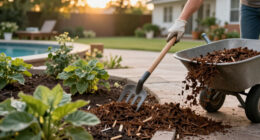
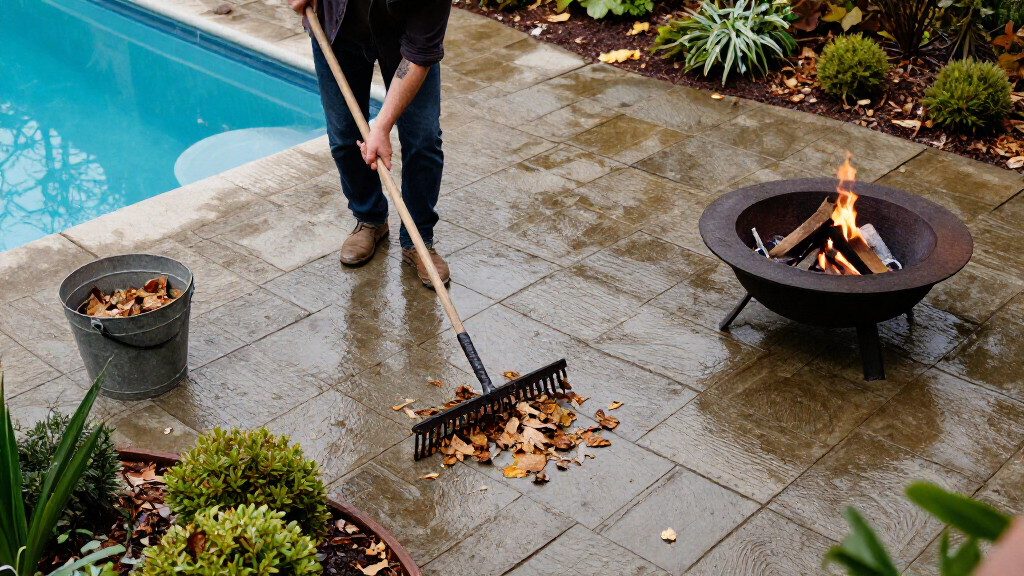
For the general tidy, Amber Tunney, a plant buyer at Cherry Lane Garden Centres, recommends clearing leaves and debris from patios and paths and securing furniture and plant pots, especially if windy weather is forecast. The report also advises checking agreements and neighbourhood policies before hosting a private display, since some may restrict fireworks.
“The safest approach is to collect your materials early, but only build the bonfire on the day you light it, ideally on a clear patch of ground.”
— James Ewens, wildlife expert at Green Feathers
Local Rules and Garden Conditions
The report does not identify which rental agreements, neighbourhood policies or local restrictions apply in any particular area. It also does not provide a list of councils or properties where private fireworks are prohibited, or specify a standard safe distance from plants and structures. Readers will need to check the terms that apply to their own property and the instructions for any fireworks they plan to use.
Advice about plants is not an assessment of individual gardens: the risk depends on their condition, placement and proximity to potential ignition sources. The source also gives no forecast for Bonfire Night weather. A careful wildlife check cannot guarantee that a pile is clear, which is why the report recommends checking it immediately before lighting.
Checks to Make Before the Display
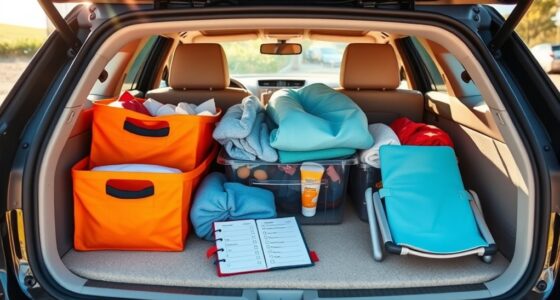
Before Nov. 5, households following the checklist can clear paths, secure pots and furniture, move cushions into shelter and remove dead growth where safe. Anyone planning a bonfire should gather materials early, build the pile on the day and inspect it carefully just before lighting. If hosting fireworks, the next step is to confirm that the property’s rules allow them and to follow the products’ safety instructions.
Residents should also watch for updated local guidance and changing weather as the date approaches. The source does not announce a new regulation, official safety campaign or scheduled follow-up; its development is the publication of practical seasonal advice.
Key Questions
What should I check before lighting a bonfire?
Check the pile shortly before lighting for hedgehogs, nests, frogs and toads. The report recommends building the bonfire on the day it will be lit. If a pile has been standing, carefully dismantle and rebuild it by hand where possible; otherwise, inspect it with a torch and gently lift material with a broom handle.
Can nearby fireworks affect my garden?
According to outdoor expert Andrew White, sparks and embers can reach gardens beyond the site of a display. Move cushions and soft furnishings under shelter or use a breathable, water- and fire-resistant cover, and consider closing a pergola or gazebo canopy.
Which plants does the report flag?
Luke Dejahang names conifers, pampas grass, bamboo, pine, eucalyptus and juniper. The advice is to check for dry or dead growth and keep bonfires and fireworks well away from vegetation; the report does not give a universal safe distance.
Do I need permission to set off fireworks at home?
Check your rental agreement and any applicable neighbourhood or property rules before inviting guests or buying fireworks. The source says some agreements and policies prohibit private displays, but does not specify which restrictions apply to individual homes.
Source: idealhome.co.uk