TL;DR

Get pool and patio gear delivered free with Prime
- Fast, free delivery on millions of items
- Prime Video, Amazon Music and more included
- Member-only deals all year
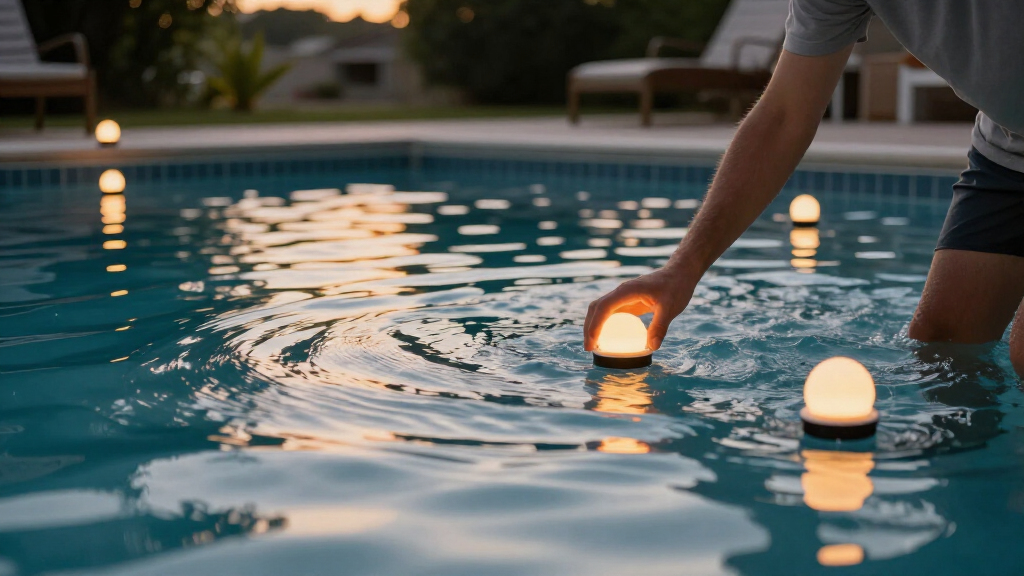
Solar-powered floating pool lights use a small solar panel to charge a battery that runs LEDs after dark. They add decorative color and glow, but they usually do not light a pool well enough for swimming; compare runtime, water-use guidance, and battery serviceability before choosing a model.
Treat floating solar lights as decorative accents; use suitable fixed pool lighting for swimming visibility.
Compare the listed runtime with sunlight at your pool, and check whether the figure assumes a full sunny charge.
Check actual dimensions and pack quantity: a 7.6-inch two-pack differs substantially from four 15-inch globes.
Read water-use guidance for your pool type, especially for saltwater and hot tubs.
Clean the panel, inspect the housing, store lights as directed in freezing weather, and check battery replacement options.
How solar pool lights turn daylight into an after-dark glow
Solar-powered floating pool lights use a small solar panel, a rechargeable battery, and LEDs inside a buoyant housing. In daylight, the panel converts light into electricity and stores it in the battery; after dark, a sensor or timer commonly switches on the LEDs. That’s the basic loop, much like filling a thermos during the day and pouring from it at night, except the stored energy runs a light instead of keeping tea warm. [1] Some models turn on automatically when the surrounding light falls. Others have a switch or modes you need to select before placing them in the pool. That small difference matters on the first evening: if you unpack a light at dusk and it stays dark, it may need a manual activation or a full charge before it can run as expected. The panel’s position affects the result. If a sphere rolls against the pool wall with its panel facing down, or if a leafy tree shades the water for most of the afternoon, the battery may collect less energy. For example, a light that floats freely in an open, sunny above-ground pool may charge more reliably than the same light tucked in a shaded corner beside a tall fence. Color-changing LEDs, rotating motion, and several lighting modes can make the effect more playful, but each product handles these features differently. Check whether the light changes color automatically, lets you choose a fixed shade, or needs a separate control. A simple warm-white lamp may suit a calm evening better than a cycling rainbow that keeps drawing your eye.As an affiliate, we earn on qualifying purchases.
What a runtime claim can—and cannot—tell you
Solar-powered floating pool lights stay on for different lengths of time because their runtime depends on the stored charge, the panel, LED brightness, and operating mode. One product in the source comparison lists a 5–8 hour runtime, while another lists 6–8 hours; those figures are useful starting points, not promises for every evening. [1] A full day of direct sun is a very different charging condition from a gray afternoon or a pool shaded by the house. Short winter days can also leave less time for charging. If your pool gets only a few hours of sun, expect a shorter or less consistent glow than a shopper whose pool sits in open sunlight from morning through late afternoon. Think of the battery as a small bucket. Bright sun fills it faster; shade and clouds leave it partly empty. A high-brightness or color-changing setting may also use energy differently from a steady, softer glow, depending on the design. So when a listing gives a runtime, look for the maker’s notes about charging conditions and lighting mode. For a birthday dinner that starts at sunset and lasts three hours, a light that usually runs for several hours may create the mood you want. If you expect illumination deep into the night, compare the stated runtime with your local daylight and consider whether you can leave the lights in sun before the event. Avoid treating the headline number as a guarantee: battery age and panel dirt can change the result over time.Choose a replacement by matching the effect you want
If you wanted a large color-changing globe, start by deciding which part of that experience matters most: the big floating shape, the shifting colors, the number of lights, or the broad glow across the water. Current options can differ sharply. A listed 7.6-inch rotating RGB model comes as a two-pack, while the older product brief describes four 15-inch inflatable globes; that is a substantial difference in scale and quantity. [2] The comparison below uses the available product descriptions. “Not specified” means the source details do not provide that figure; it does not establish what a particular seller’s current listing says. Features and availability can change, so check the manufacturer or seller’s latest specification before you buy.| Option | Power and quantity | Size or runtime listed | Possible fit |
|---|---|---|---|
| 7.6-inch rotating RGB lights | Solar, 2 pack | 7.6 inches; runtime not specified | Smaller moving color accents |
| Askyli color-changing lights | Solar; quantity not specified in source | 6–8 hours listed | Color effects with a stated runtime |
| Warm-white solar lights | Solar, 2 pieces | Size and runtime not specified | A softer, steady-looking poolside mood |
| TIALLY warm-white balls | Solar, 2 pack | Size and runtime not specified | Simple decorative globes |
| Earlier 15-inch inflatable globe description | Solar, 4 lights | 15 inches; 5–8 hours listed | A larger, more noticeable floating display |
Read water-resistance details before you leave a light afloat
A solar floating light should have clear guidance for the water setting where you plan to use it. The word “waterproof” by itself does not explain how a product handles prolonged immersion, splashing, rain, or repeated exposure to pool chemicals. Look for a stated water-resistance rating and instructions that name the intended use. [1] An IP68 claim appears in the description of one 7.6-inch rotating model in the supplied comparison. Even when a listing gives an IP rating, confirm how the manufacturer describes its practical use; the rating does not answer every question about chlorine, saltwater, heat, or long-term wear. A pool and a hot tub also create different conditions, particularly because hot-tub water runs at higher temperatures. Imagine a light that works well during a weekend pool party but develops a cloudy lens after being left in highly chlorinated water for weeks. That doesn’t tell you every light will react the same way. It shows why materials, seals, care instructions, and intended settings belong in your comparison. UV-resistant plastic and a sealed housing can help with sun and water exposure, but heat, chemicals, and repeated handling may still wear a product down. If you use a saltwater pool, pond, or hot tub, check the maker’s compatibility guidance before placing the light there. Follow any instructions to remove, rinse, or dry it after use. If the shell cracks or water appears inside, take the light out of the pool and follow the product’s disposal or service instructions.Use floating lights for atmosphere, not swimming visibility
Most solar-powered floating pool lights are made for atmosphere, not for lighting a pool well enough to swim safely. A colorful glow can make ripples stand out and give the water a party feel, but it may leave steps, depth changes, and faces hard to see. Treat these lights as decoration and use properly installed pool lighting whenever you need reliable visibility for swimming. [1] That distinction is especially useful when children are around. A bright floating ball can attract a child’s attention, but it cannot watch the water, warn you about a fall, or replace an adult’s close supervision. Keep active supervision in place, use appropriate barriers and pool-safety measures, and don’t let a decorative light become a signal that swimming conditions are safe. For example, you might scatter two warm-white lights across the pool for a dinner party while keeping everyone out of the water. If guests plan to swim after dark, the decorative glow should sit alongside suitable fixed pool lighting and an adult watching swimmers. A light that drifts into a shadow near the steps may look attractive from the patio while leaving that area poorly visible. Floating designs do have a practical benefit: they avoid a poolside power cord. But no cord does not mean no safety responsibilities. Follow the manufacturer’s instructions, remove damaged lights, and make sure the pool has appropriate lighting for its intended use. Keep the lights as a visual accent, not a lifesaving device or a substitute for supervision.Follow four steps to get a steadier glow each evening
To get a steadier glow, check the light, charge it in sun, choose its mode, and place it where it can float freely. A few minutes of setup can prevent the familiar frustration of seeing a dark sphere bob in the pool just as guests arrive. The process also helps you spot damage before the light goes into the water.- Inspect the housing. Look for cracks, loose covers, or signs of water inside. Confirm that the switch and charging panel look intact.
- Give the panel daylight. Wipe away dust and place the light where it can receive as much direct sun as the product instructions allow. A clean panel can collect light more effectively than one filmed with pollen or grime.
- Set the mode before dusk. Check whether the light uses a manual switch, automatic dusk sensor, timer, or remote. Try the setting in a dry area as directed by the maker.
- Place it with room to drift. Spread multiple lights around the water if you want a more even visual effect. Keep them clear of skimmers and follow any instruction about removing them during cleaning or poor weather.
Make the lights last through simple, regular care
A clean solar panel and an intact housing give a floating light a better chance of charging and working as intended. Wipe the panel and shell gently, remove leaves or debris, and check the housing for cracks or signs of water ingress. Follow the manufacturer’s cleaning advice, since an unsuitable cleaner can damage plastic or seals. [1] Pool water can bring chlorine, salt, sunscreen, and grit into contact with the light. Some products may be designed for regular floating, while others may need to come out for cleaning or certain weather. Read the directions instead of assuming that every solar light can live in the pool all season. If freezing weather is coming, store lights as instructed; a cold snap can be hard on a product left outdoors. Battery serviceability is another long-term detail. Some designs let you replace the rechargeable battery; others seal it inside. If repairability matters to you, check this before buying rather than discovering it after a season of shorter run times. A light with a replaceable battery may be easier to keep using, though the exact battery type and replacement steps still matter. Suppose a light once lasted until bedtime but now fades after dinner. First clean the panel and give it a full sunny day, then check whether the chosen mode uses more power. If the runtime stays short, the battery may have aged or the unit may need service. Since solar lights still contain batteries and electronics, their environmental impact depends partly on how long they last, whether you can replace the battery, and how you dispose of them at the end.Set realistic expectations for cloudy days and seasonal light
Solar floating lights can charge in cloudy weather, but reduced daylight may mean less stored energy and a shorter or less predictable run. Direct sunlight generally gives the panel the best chance to charge well; a shaded pool or a panel that frequently faces away from the sun can reduce performance. [1] That matters when you plan an evening around the lights. In June, a pool with a long sunny afternoon may leave a light ready for a late dinner. In autumn, shorter days and an earlier sunset can reduce the charging window. A string of gray days may leave the lights dim or dark even if they worked well the previous week. You can make a practical plan without guessing at an exact charge. Check the maker’s stated runtime and what conditions that number assumes. Place the light where it receives sun, keep the panel clean, and treat a sunny-day result as different from a cloudy-day result. If you’re hosting after several overcast afternoons, test the lights before guests arrive and have another source of decorative lighting ready. Some buyers may prefer a plug-in option for a fixed, predictable glow, while others value a floating light that needs no cord near the water. That choice depends on the pool setup and the role the light will play. For occasional atmosphere, variable solar charging may be an easy tradeoff; for consistent visibility, decorative solar globes are the wrong tool.Compare the details that matter before you place an order
The best match depends on your pool, the look you want, and the care you are willing to give the lights. A large inflatable globe creates a stronger visual presence than a compact ball, while rotating RGB lights create motion and warm-white models offer a calmer look. Quantity also changes the effect: two lights may suit a small pool, while several spaced along a longer pool can spread the glow. [2] Use this checklist while comparing product descriptions. It helps you separate an appealing photo from practical details you can confirm with the seller or manufacturer.- Size and shape: Compare the actual diameter with your pool and storage space. A 15-inch globe takes up more room than a 7.6-inch light.
- Quantity: Confirm whether the listing includes one, two, or four lights; don’t infer pack size from a photo.
- Runtime conditions: Look for a stated number of hours and whether the figure assumes a full sunny charge.
- Lighting behavior: Check color choices, rotation, automatic dusk operation, and any switch or remote requirements.
- Water setting: Verify the rating and whether the maker names pools, saltwater, ponds, or hot tubs.
- Battery and care: Check whether the battery can be replaced and what cleaning or winter storage the maker recommends.
Frequently Asked Questions
How long do solar-powered floating pool lights stay on?
Runtime varies by model, battery, light mode, and charging conditions. The supplied product details include examples of 5–8 hours and 6–8 hours, but check whether the maker’s figure assumes a full day of direct sun.Do floating solar pool lights work on cloudy days?
They may still charge in cloudy weather, but less daylight can mean a shorter or less consistent run. A shaded pool and short winter days can also reduce the charge.Are floating pool lights bright enough to swim by?
Usually not. Most are decorative accent lights, so use suitable fixed pool lighting for visibility and keep children under close adult supervision around water.Can I leave a solar pool light in the water all the time?
Follow the manufacturer’s directions. Some lights are made for continuous floating, while others may need removal for cleaning, severe weather, or winter storage.Can I use these lights in a saltwater pool or hot tub?
Only if the manufacturer says the materials and seals suit that setting. Hot tubs have higher water temperatures, and saltwater can affect materials differently from a standard pool.Why is my solar floating light not turning on?
Check that it has been activated, the panel is clean, and the light received enough sun. Also inspect the mode and housing; a depleted or aging battery can shorten runtime or stop the light from working.Can I replace the rechargeable battery?
It depends on the model. Some designs allow battery replacement, while others have sealed housings, so check the maker’s service information before buying if repairability matters.Conclusion
Choose solar-powered floating pool lights for the glow and motion you want, then check size, quantity, charging conditions, water guidance, and battery care before you buy. Give them a sunny day and a clean panel, but leave swimming visibility to properly installed pool lighting and keep close supervision around children. When the sun slips behind the roof, let the lights add a little color to the water—not confidence the water itself cannot provide.Fall Picks
fall essentials
As an affiliate, we earn on qualifying purchases.