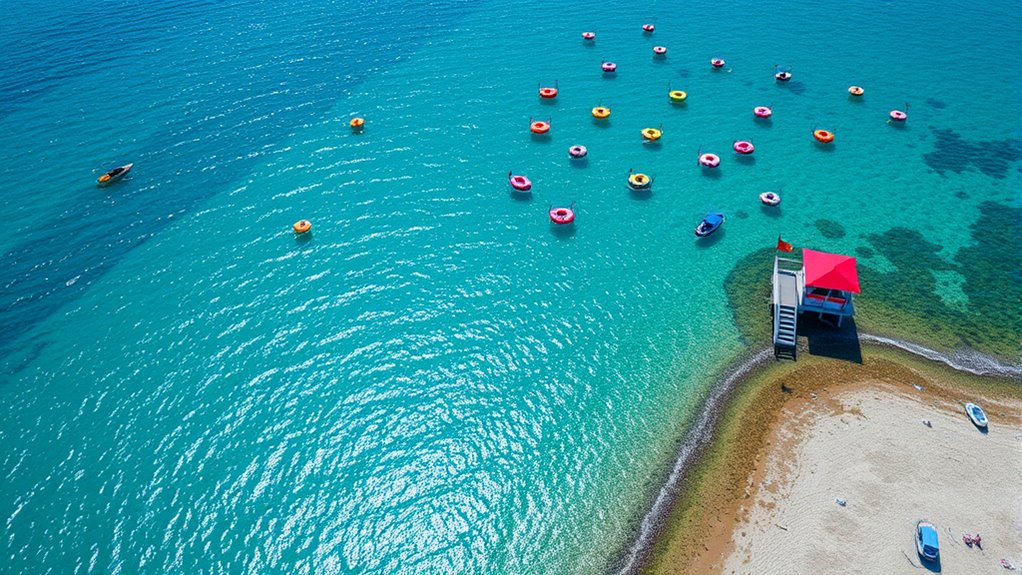

Regional floating and water safety regulations vary based on local conditions and designated environments. In areas with open water, stricter guidelines focus on rescue protocols, safety gear, and designated zones, while indoor pools emphasize water quality and lifeguard presence. Coastal regions often have rigorous standards due to unpredictable waves, whereas inland or controlled environments may have different rules. Staying informed helps make certain you follow local laws and promote safety; explore further to learn more about regional specifics.
Key Takeaways
- Regional water safety regulations specify requirements for signage, safety equipment, and designated swimming zones to ensure safety.
- Coastal regions often enforce stricter open water rescue protocols due to unpredictable ocean conditions.
- Indoor pools focus on water quality standards, lifeguard presence, and emergency preparedness regulations.
- Local laws may mandate lifeguard certification, capacity limits, and routine safety inspections tailored to regional water environments.
- Understanding regional differences helps ensure compliance and enhances safety during water activities across diverse locations.
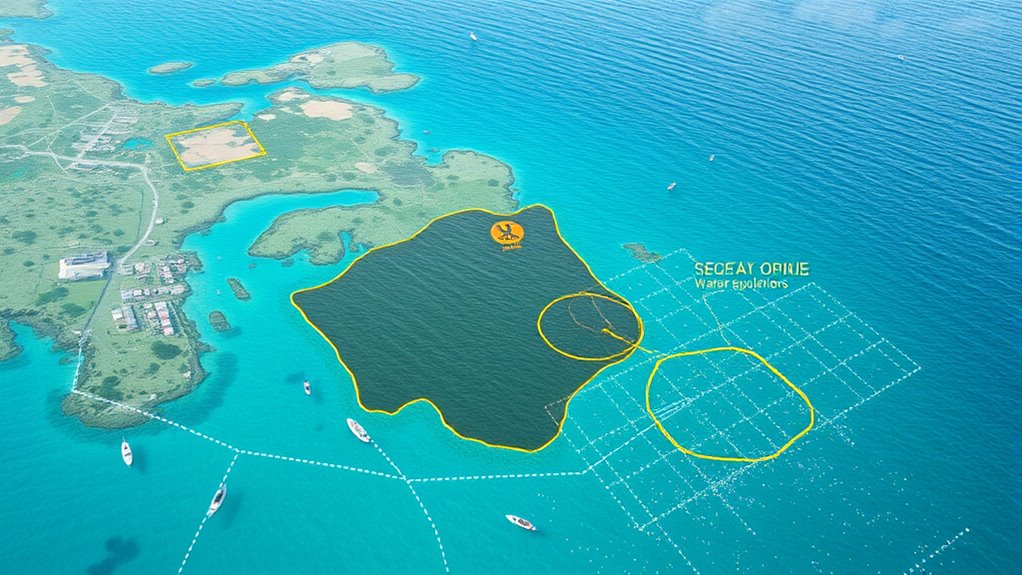
Floating and water safety regulations are essential for protecting lives and ensuring safe recreational activities around water. Whether you’re swimming at a public pool, visiting a beach, or enjoying a waterpark, understanding these rules helps prevent accidents and injuries. One of the most critical aspects of water safety is ensuring that lifeguards are properly trained and certified. Lifeguard certification involves rigorous training that covers essential skills, including water rescue protocols, CPR, first aid, and emergency response procedures. When lifeguards hold valid certifications, they’re better prepared to act quickly and effectively if someone gets into trouble, making a significant difference in saving lives.
Lifeguard certification programs vary by region, but they generally emphasize practical skills and scenario-based training. You’ll learn water rescue protocols tailored to different environments, such as pools, open water, or waterparks. These protocols provide step-by-step guidance on how to approach and assist distressed swimmers safely, minimizing the risk to both the rescuer and the victim. Knowing these protocols inside out means you can act decisively during emergencies, reducing panic and confusion. Certified lifeguards are also trained to recognize potential hazards early and enforce safety rules, like preventing unsafe swimming practices or discouraging risky behavior around water.
Regulations around water safety extend beyond certification. Many regions mandate specific safety measures, such as appropriate signage, life-saving equipment, and designated swimming zones. These rules are designed to create a controlled environment where risks are minimized. For example, some areas require the presence of certified lifeguards during operating hours, while others enforce maximum swimmer capacities to prevent overcrowding that could lead to accidents. Enforcement of these regulations varies, but the goal remains the same: to keep everyone safe while enjoying water activities. Additionally, regional differences influence the specific safety standards, with coastal regions often implementing stricter protocols due to the unpredictable nature of open water.
In addition to certifications and regulations, regional differences influence safety standards. Coastal areas might have stricter guidelines due to the unpredictable nature of open water, including specific water rescue protocols for rough conditions. Indoor pools, on the other hand, often focus on maintaining water quality, lifeguard presence, and clear emergency procedures. Familiarizing yourself with regional rules ensures you’re prepared and know what to expect or do if an emergency arises during your water recreation. Ultimately, adhering to these regulations not only protects you but also helps safeguard others around you, fostering a culture of safety that benefits everyone.
Understanding the importance of proper training and certification can significantly improve response times and effectiveness during emergencies.
Frequently Asked Questions
How Are Water Safety Regulations Enforced Across Different Regions?
You’re likely to see enforcement agencies actively monitoring water safety regulations across regions, ensuring compliance through regular inspections and patrols. Regional compliance is maintained by these agencies, who impose fines or penalties on violations. Local authorities also promote safety awareness, encouraging adherence to rules. Enforcement varies by region but generally relies on these agencies’ efforts to keep water environments safe, making sure everyone follows established standards to prevent accidents.
What Penalties Exist for Violations of Floating and Water Safety Laws?
Ever wondered what happens if you ignore safety laws? Violating floating and water safety laws can lead to hefty fines, license suspension, or even criminal charges. You might also face increased liability insurance costs or legal liability if accidents occur. Authorities often require safety training and proper equipment, and failing to comply can result in severe penalties. Don’t risk it—stay compliant to protect yourself and others on the water.
How Do Regional Differences Impact Water Safety Equipment Requirements?
Regional differences considerably impact water safety equipment requirements due to variations in compliance standards. You’ll find that some regions mandate specific safety gear, like life jackets or buoys, while others have more flexible rules. These safety standard variations mean you must stay informed about local regulations to make sure your equipment meets regional compliance. Ignoring these differences could lead to penalties or increased safety risks, so always verify what’s required where you are.
Are There Specific Safety Regulations for Commercial Versus Private Water Activities?
Yes, safety regulations differ for private pools and commercial marinas. You must follow stricter guidelines for commercial activities, ensuring lifeguards are present, safety equipment is available, and regular inspections occur. Private pools often have more relaxed rules, but you’re still responsible for maintaining safety. For both, you should adhere to regional regulations, but commercial operations generally require more inclusive safety measures to protect users effectively.
How Can Individuals Stay Updated on Regional Water Safety Regulation Changes?
You can stay updated on regional regulation updates by subscribing to local water safety education programs and official government agencies’ newsletters. Regularly checking their websites or social media channels keeps you informed about changes. Attending water safety seminars and participating in community workshops also help. By actively seeking out the latest information, you guarantee you’re aware of new rules, which helps you stay safe and compliant during water activities.
Conclusion
By staying informed about regional floating and water safety regulations, you’re not just following rules—you’re protecting yourself and others from potential disaster. Think of these regulations as your ultimate shield against water mishaps, turning chaos into calm. Remember, neglecting safety can turn a peaceful day into a nightmare faster than you can say “rescue!” So, always stay updated, respect local rules, and enjoy the water with confidence, knowing you’re prepared for anything Mother Nature throws your way.