TL;DR

Get pool and patio gear delivered free with Prime
- Fast, free delivery on millions of items
- Prime Video, Amazon Music and more included
- Member-only deals all year
A Gardening Know How report outlines seven fall cleanup practices that can harm next season’s garden, including pruning spring-blooming shrubs in autumn, cutting bulb foliage while it is still green, and removing all seed heads and leaves. Its advice is to tailor cleanup to each plant: preserve healthy foliage until it dies naturally, leave some habitat for wildlife, and avoid unnecessary soil disturbance. The source does not quantify the effects or provide region-specific guidance.
A Gardening Know How report identifies seven fall cleanup habits that can affect a garden’s spring flowers, bulbs, soil and wildlife, and recommends delaying or limiting some autumn tasks. The advice is practical gardening guidance, not a report of a newly measured study; the supplied material does not give a publication date or quantify how often these mistakes cause problems.
One of the report’s main warnings is against pruning spring-flowering shrubs in fall. Shrubs such as azaleas, lilacs, forsythia and magnolias often form flower buds on older wood. Cutting those stems before winter can remove buds intended to bloom the following spring. Gardening Know How recommends pruning these shrubs after their flowers fade, rather than during autumn cleanup.
The report also says not to cut back the green foliage of summer-flowering bulbs and related plants too early. For more on seasonal planting, see these flower seeds to sow in fall. Lilies, gladiolus, cannas and crocosmia use their leaves to produce and store energy for another flowering cycle. Its advice is to wait until foliage yellows and dies naturally where conditions allow. Frost-tender plants may need different handling: the source says gladiolus and cannas may need lifting after frost damages their leaves, while dahlia foliage should be cut back after the first frost blackens it, with tubers lifted for winter storage where needed.
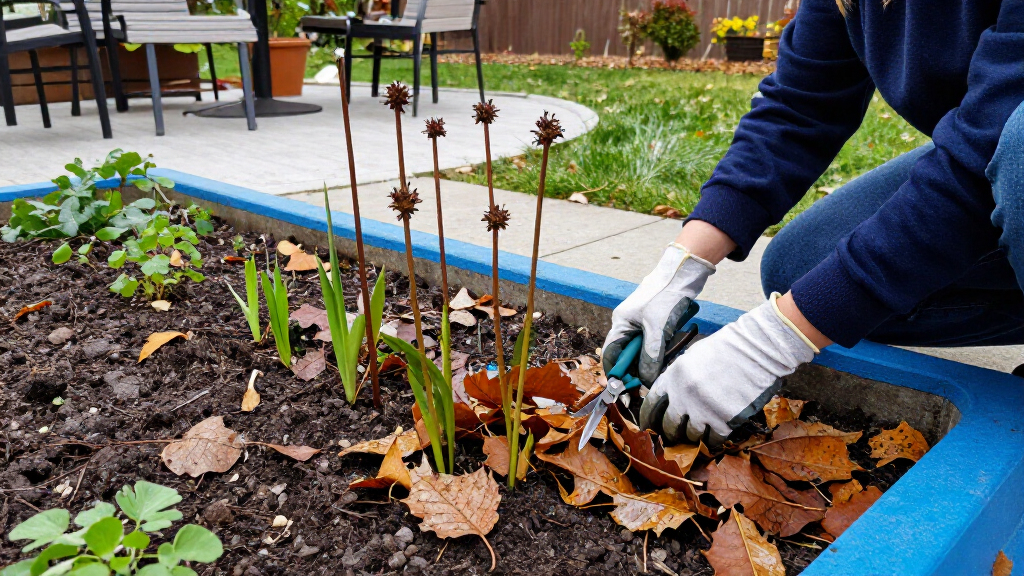
Other cautions concern wildlife habitat and soil, including ways to improve garden soil. The report recommends leaving some seed heads, standing stems and fallen leaves through winter, while removing diseased foliage. Fall cleanup should also account for common planting mistakes that can affect trees and shrubs. It warns that aggressive digging or cultivation can disrupt soil structure and organisms, and bring buried weed seeds closer to the surface. The supplied source ends during its discussion of tilling, so it does not include the full detail for all seven mistakes.
How Autumn Choices Affect Spring
Fall cleanup can shape what a garden produces and supports in the months that follow. Removing buds on old-wood shrubs can mean fewer flowers next spring, while cutting healthy bulb foliage too early may reduce the energy available for the next flowering cycle. These are avoidable risks, but the source does not say that every autumn cut will cause lasting harm or that the outcome is guaranteed.
Leaving selected plants and leaves in place also has a role beyond appearance. According to Gardening Know How, seed heads can feed birds, and stems and leaf litter can offer shelter to insects. The practical trade-off is that a less uniformly tidy bed may retain resources for wildlife. Diseased plant material remains an exception in the report’s advice and should be removed to limit the chance of problems carrying over.
Popular right now

TCL QM64L 85-Inch QD-Mini LED 4K Smart Fire TV

Sony BRAVIA 5 85-Inch Mini LED 4K HDR Smart TV (K-85XR50)

TCL T7 Series 85-Inch 4K 144Hz QLED Smart Google TV
As an affiliate, we earn on qualifying purchases.
Why Timing Varies by Plant
The advice turns on how different plants grow and prepare for winter. Some spring-flowering shrubs carry buds on older wood, so fall pruning can remove next season’s flowers. Many summer-flowering bulbs rely on green foliage to replenish energy before dormancy. Their leaves should not be treated as disposable simply because the blooms have passed.
The report also distinguishes plants that can remain standing from tender plants that may need protection or storage. It advises lifting certain frost-sensitive bulbs, corms and tubers and storing them in a cool, frost-free place, but exact care depends on the plant and local conditions. Because the supplied material does not provide regional climate guidance, gardeners should check recommendations for their particular species and area.
“A tidy garden isn’t necessarily a healthier garden.”
— Gardening Know How report
Limits of the Cleanup Guidance
The supplied source material does not list all seven mistakes in full: it gives three plant-care and wildlife warnings and begins a fourth section on digging and cultivation, but cuts off before that section is complete. The specific remaining items therefore cannot be verified from the material provided and are not presented here as established advice.
The report also does not provide a publication date, research data, or a measure of how much a given cleanup choice changes flowering or wildlife activity. Advice may vary by species, soil, winter conditions and region. Its guidance should not be read as a rule to leave every plant untouched: the source expressly recommends removing diseased foliage and notes that some tender plants need to be lifted for winter.
Plan Cleanup Around Plant Needs
Before cutting or digging, identify which plants are spring bloomers, which still have healthy green foliage, and which are frost-tender. Follow the report’s timing advice for shrubs and bulb foliage, and check species-specific local guidance before lifting or storing plants. Leave selected seed heads, stems and leaves where they are healthy and appropriate, while removing diseased material.
The source provides no announced follow-up, study or scheduled next milestone. For gardeners, the next step is a plant-by-plant review of autumn tasks rather than a single whole-bed cleanup. The full seven-item list cannot be confirmed from the excerpt supplied.
Key Questions
Which shrubs should not be pruned in fall?
The Gardening Know How report cautions against fall pruning of many spring-flowering shrubs that form buds on older wood, including azaleas, lilacs, forsythia and magnolias. It recommends pruning after flowering instead.
When should bulb foliage be cut back?
For summer-flowering plants such as lilies, gladiolus, cannas and crocosmia, the report advises waiting until foliage yellows and dies naturally, where conditions permit. Frost-tender plants may need to be lifted after frost damage, so check guidance for the specific plant and local climate.
Should all leaves and stems be removed before winter?
No. The report recommends leaving some seed heads, stems and fallen leaves to provide food or shelter for wildlife. It also says diseased foliage should be removed rather than left in beds.
Does the source confirm all seven cleanup mistakes?
No. The supplied excerpt does not contain the complete list. It includes warnings about pruning spring bloomers, cutting bulb foliage early, removing wildlife habitat and digging beds too aggressively, then cuts off during the soil discussion.
Source: gardeningknowhow.com