TL;DR

Get pool and patio gear delivered free with Prime
- Fast, free delivery on millions of items
- Prime Video, Amazon Music and more included
- Member-only deals all year
Gardening Know How recommends reusing cleaned tomato cages as frames for breathable frost cloth or burlap around selected plants. The method can keep fabric off branches and help hold it in place, but it is temporary protection, not a guarantee against winter damage; suitable plants and conditions vary.
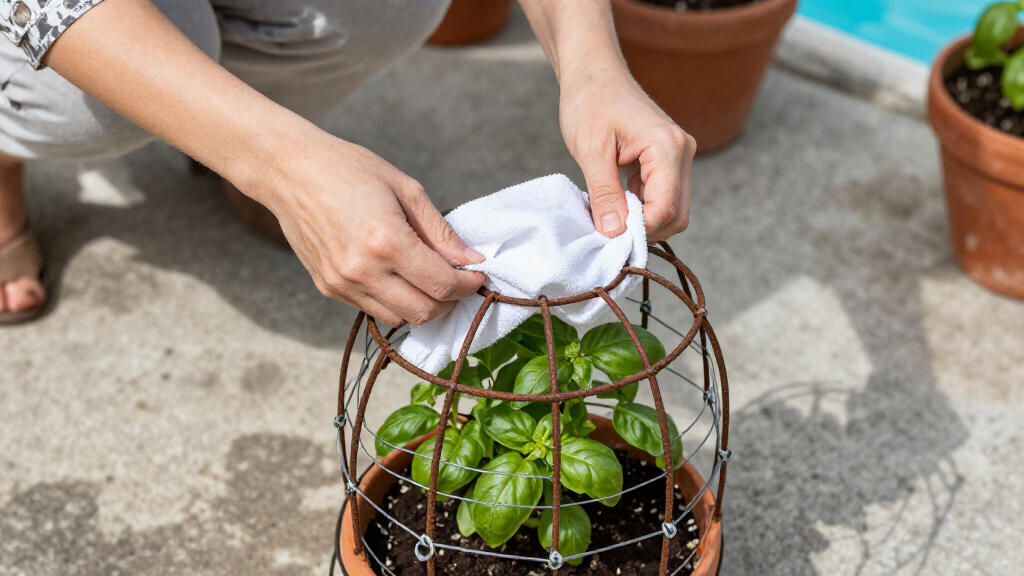
Gardening Know How has outlined a way to reuse old tomato cages as temporary shelters for plants during frosts and cold snaps: clean the frames, place them around suitable plants, and cover them with breathable frost cloth or burlap. The gardening guide says the frame can hold fabric away from branches and provide a structure for securing the cover, making use of equipment that might otherwise sit unused until spring.
The method starts with removing old leaves and vine fragments from the cage. The source says plant debris can carry over diseases such as Septoria leaf spot and early blight from the previous tomato season; it advises scrubbing the cage with diluted household bleach and rinsing it before reuse. The guide does not provide a bleach dilution ratio, so gardeners should follow product directions and take care when handling cleaning products.
After placing the cage over the plant, check that branches do not press against the wire or cover. Push the legs firmly into the soil, and use a stake to steady the frame in an exposed or windy spot. Wrap it in breathable frost cloth or horticultural fleece, fasten the material to the cage with clips, and secure its bottom at ground level with landscape staples. The article says this helps limit gaps through which warmth from the soil can escape.
The guide advises against sealing the shelter with plastic wrap. It says plants need airflow and that a covered frame can heat up quickly in mild weather; damp, still conditions can encourage gray mold. It recommends checking beneath the cover every few days and airing it if needed, then removing the temporary fabric after a cold spell. The frame may remain in place for another forecast dip in temperature.
A Second Use for Garden Frames
Reusing a tomato cage can give gardeners a low-cost frame for winter covers, rather than buying a separate structure for every vulnerable plant. The practical benefit is not that the wire cage itself keeps a plant warm: it supports fabric so it does not rest directly on foliage and buds, and gives gardeners a place to attach it against wind.
That separation can matter when wet snow weighs on a cover, which the source says may bend or break branches if the material lies on them. The technique also offers a way to protect plants whose next season’s growth depends on surviving winter, including some shrubs that form flower buds on older stems. Results will depend on the plant, the severity of the weather and how securely the cover is installed.
Popular right now

Roborock RockMow X130H Wire-Free 4WD Robot Lawn Mower

Vitamix VX1 Professional-Grade Blender, 64 oz, Black

Dyson Airsmooth Styling Brush
As an affiliate, we earn on qualifying purchases.
Which Plants May Benefit
The source identifies bigleaf hydrangeas as one candidate because they form next year’s flower buds on old wood, where buds remain exposed through winter. A hard freeze can damage those buds, according to the guide, potentially reducing flowering even if the plant’s leaves and stems otherwise return.
It also lists hybrid tea roses, perennials that are only just hardy in a gardener’s USDA zone, and young shrubs planted late in fall. Small evergreens such as boxwood may be vulnerable to winter burn from drying wind and sun; burlap can reduce exposure without being pressed against foliage. The cage must be large enough to leave room around the plant. These examples are not a universal prescription: local climate, plant variety and site conditions affect what needs protection.
For added insulation, the guide says a sturdy cage can be loosely filled with dry shredded leaves, straw or pine straw after the plant has gone dormant, usually following several hard frosts. It suggests concentrating insulation around hydrangea buds or the crown and lower canes of roses. Fill should be dry and loose; wet, tightly packed leaves against living foliage or a crown can promote rot. The supplied source cuts off during its spring-removal guidance, so it does not give a complete schedule for taking that insulation out.
“A tomato cage wrapped in frost cloth or burlap is a smart, cheap way to help your garden get through winter unscathed.”
— Gardening Know How
Protection Depends on Conditions
The source describes a gardening technique, not a tested guarantee or a quantified level of frost protection. It does not specify the temperatures at which the method stops helping, how much protection different fabrics provide, or whether the approach suits every plant in the examples. Gardeners should check plant-specific requirements and local forecasts rather than assume a covered cage can withstand severe or prolonged freezing.
The guide also does not state a precise bleach-to-water ratio for cleaning cages, or provide a complete spring schedule for removing insulating fill. Its advice to ventilate the shelter and keep added leaves or straw dry points to practical risks, including heat buildup, damp conditions and rot. How well the cover holds in place will also depend on cage size, wind exposure and the way it is anchored.
Check Covers Through Winter
Gardeners using the method can start by cleaning and fitting cages around plants before cold weather arrives, then secure breathable fabric to the frame and ground. The guide recommends checking under covers every few days, especially during mild or damp spells, and ventilating when conditions call for it. After a cold snap, remove the fabric; if another freeze is forecast, the frame can be ready for reuse.
Where loose insulation is added after dormancy, keep it dry and avoid packing it tightly against living plant tissue. The source’s supplied text ends before its full spring instructions, so gardeners should consult plant-specific guidance for when and how to remove that fill. The report gives no new product testing, formal horticultural study or forecast; its advice is a seasonal reuse suggestion for gardeners weighing how to protect particular plants.
Key Questions
How does a tomato cage protect a plant?
The cage acts as a frame for breathable frost cloth or burlap. The fabric sits on the wire rather than directly on branches and buds, and can be fastened to the frame.
Can I cover the cage with plastic?
The Gardening Know How guide advises against plastic wrap. It says plants need airflow and that the shelter can warm quickly in mild weather; damp, still air may encourage gray mold.
Which plants does the guide suggest covering?
Examples include bigleaf hydrangeas, hybrid tea roses, borderline-hardy perennials, young shrubs and small evergreens. Whether a plant needs protection depends on its variety, hardiness and local conditions.
Can I add leaves or straw inside the cage?
The guide says dry, loose shredded leaves, straw or pine straw can add insulation around dormant plants. Keep the material dry and do not pack it tightly against living foliage or a plant’s crown, which can contribute to rot.
Will this method protect every plant through winter?
No. The source says the trick will not save everything and does not give a temperature threshold or quantified protection level. It is presented as temporary help for selected plants, not a guarantee against severe or prolonged cold.
Source: gardeningknowhow.com