
TL;DR

Get pool and patio gear delivered free — and shop member deals
- Fast, free delivery on millions of items
- Access to Prime Big Deal Days deals on October 6–7
- Prime Video, Amazon Music and more included
Interest in collecting seeds from public plants is rising among gardeners, but legal rules vary by location. This article clarifies what is permitted, what remains uncertain, and why these rules matter.
Gardening enthusiasts and seed collectors are increasingly asking whether they can legally take seeds from public plants, amid rising online discussions and shared experiences. While the practice is common in some communities, the legality varies widely depending on local laws and plant ownership rights, making it essential for gardeners to understand the rules before pocketing seed pods from public spaces.
There are no universal laws explicitly prohibiting seed collection from plants in public areas, but legal considerations depend on jurisdiction, ownership rights, and specific plant species. In many cases, plants growing on public land or in parks are considered public property, and collecting seeds may be permissible for personal use. However, some local regulations or conservation laws restrict removal of plant material, especially for endangered species or protected habitats.
Legal clarity is often lacking because laws differ between cities, states, and countries. For example, in some regions, collecting seeds from municipal parks might be tolerated if done responsibly, while in others, it could be classified as theft or vandalism. Additionally, some private gardens or botanical collections may have restrictions even if the plants are visible from public spaces.
Experts advise gardeners to check local regulations and seek permission when possible. The act of taking seeds might also be subject to rules under plant protection laws, especially for rare or invasive species. Learn more about legal considerations for plant collection. Importantly, collecting seeds from plants on private property without consent is generally illegal, even if the plants are visible from a public vantage point.
Legal Implications for Gardeners Collecting Public Plant Seeds
This issue matters because gardeners and seed collectors need to avoid unintentionally breaking laws that could lead to fines or legal action. Understanding the boundaries helps promote responsible gardening and conservation practices. As interest in sustainable gardening and seed sharing grows, clarity on what is permitted becomes increasingly important for community engagement and environmental stewardship.
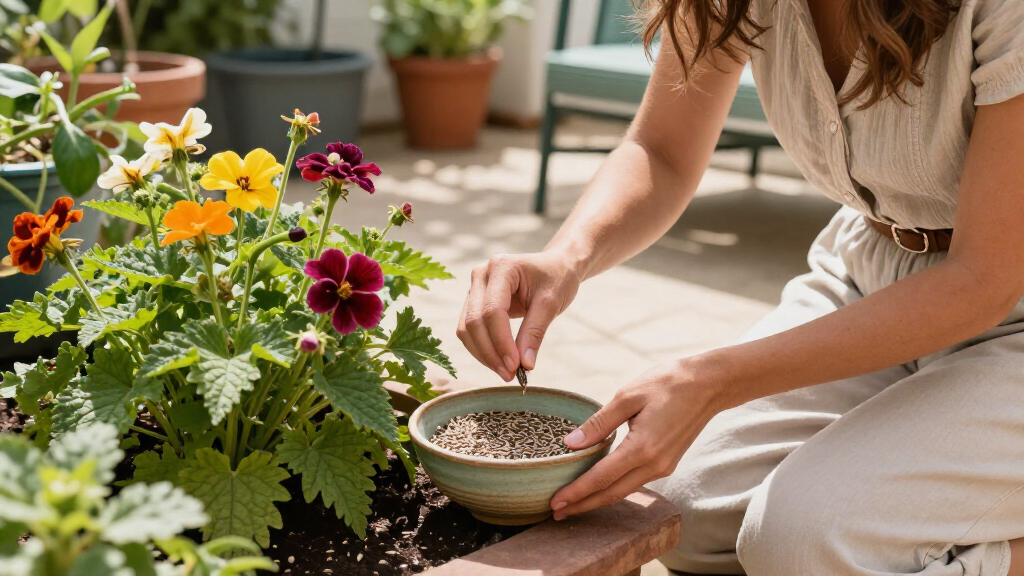
seed collection tools for gardening
As an affiliate, we earn on qualifying purchases.
As an affiliate, we earn on qualifying purchases.
Growing Interest in Seed Collection and Legal Ambiguity
The trend of collecting seeds from public plants has gained traction partly due to increased online sharing, seed swapping communities, and a desire for local, resilient plant varieties. While the practice is longstanding in some gardening circles, the surge in popularity raises questions about legal boundaries. Currently, there is no comprehensive national or international regulation explicitly governing seed collection from public plants, leading to a patchwork of local rules and interpretations.
Historically, laws have focused on protecting endangered species and preventing theft of cultivated plants, but they often do not specify rules for seed collection from common public plants. This ambiguity fuels confusion among gardeners, especially those new to seed harvesting or unfamiliar with local laws.
Some regions have begun to address these issues through conservation programs or local ordinances, but nationwide, the legal landscape remains inconsistent. The trend is likely to continue as more people seek sustainable gardening options and share seeds within communities.
Unclear Legal Boundaries and Regional Variations
It remains unclear how uniformly laws are enforced across different regions, and whether specific species are protected from seed collection. The lack of a centralized legal framework creates uncertainty for gardeners wanting to harvest seeds responsibly. Additionally, the distinction between personal use and commercial distribution is often ambiguous, further complicating compliance.
Potential for Clarification and Regulation Development
Legal authorities and gardening organizations may develop clearer guidelines or regulations in response to growing interest. Local governments could implement rules to balance conservation needs with community gardening practices. Meanwhile, gardeners are encouraged to seek permission, respect protected areas, and stay informed about local laws to avoid legal issues.
Key Questions
Is it legal to take seeds from public parks?
It depends on local laws and regulations. In some areas, seed collection for personal use may be tolerated, but in others, it could be prohibited or require permission. Always check with local authorities or park management before collecting seeds.
Can I collect seeds from private gardens I see from the street?
Generally, no. Taking seeds from private property without permission is considered trespassing and may be illegal, regardless of whether the plants are visible from public spaces.
Are there any species I should avoid collecting seeds from?
Yes. Avoid collecting seeds from protected, endangered, or invasive species. These are often regulated by conservation laws, and removing seeds could be illegal or harmful to local ecosystems.
What should I do if I want to collect seeds legally?
Check local regulations, seek permission from landowners or authorities, and ensure you are not collecting from protected species or areas. When in doubt, consult local conservation agencies or gardening groups.
Could laws change in the future?
Yes. As interest in sustainable and responsible gardening grows, policymakers may introduce clearer regulations or guidelines to manage seed collection practices more effectively.
Source: rss
Halloween Picks
halloween
As an affiliate, we earn on qualifying purchases.