TL;DR

Get pool and patio gear delivered free with Prime
- Fast, free delivery on millions of items
- Prime Video, Amazon Music and more included
- Member-only deals all year
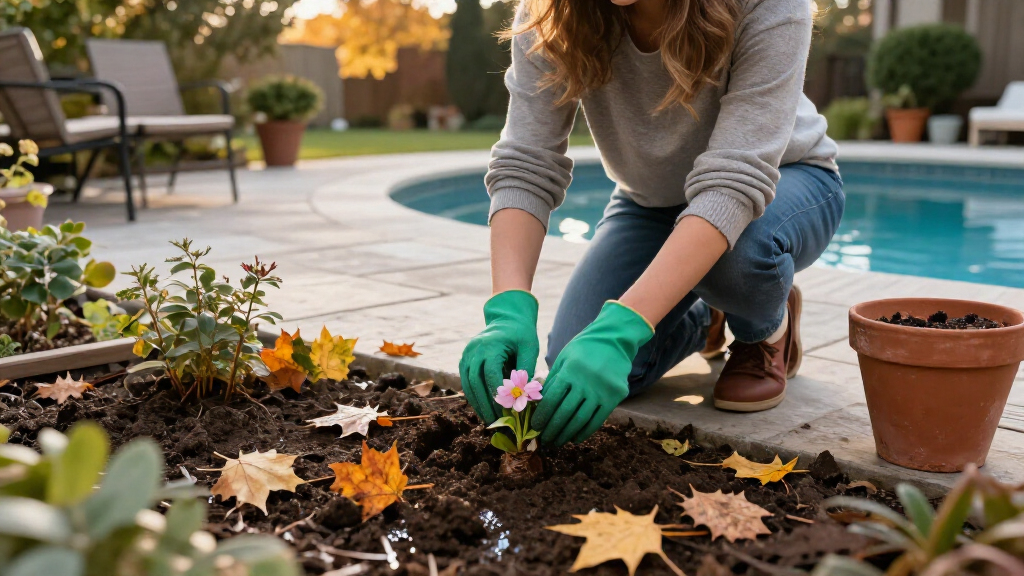
Fall planting does not have one nationwide cutoff: a general rule is to plant trees, shrubs and perennials about six weeks before the ground freezes. The Country Living report says warmer regions may allow planting into winter if soil is workable, while wet ground and some plants make late planting a poor choice.
A Country Living report says there is no single date when fall planting ends across the United States: gardeners should generally aim to get trees, shrubs and perennials in the ground about six weeks before the soil freezes. In warmer regions, planting may continue into winter if the soil is neither frozen nor waterlogged, making local conditions more useful than a calendar date.
The six-week recommendation is a rule of thumb, not a firm cutoff. The report says plants benefit from time to establish roots before winter conditions arrive. It describes daytime temperatures in the 40s to 60s as a typical stretch of remaining growing conditions, while stressing that weather, soil and plant choice all affect the decision.
As a rough regional guide, the report gives mid-October for USDA Zones 3–4 and late October for Zones 5–6. In Zone 7 and warmer, it says planting can often continue into early December or later. Those dates are estimates, not guarantees: USDA hardiness zones describe average winter cold and do not tell gardeners exactly when the ground will freeze in a particular year.
A frost by itself does not necessarily mean planting season is over. Horticulturalist Stacey Hirvela, marketing manager for Proven Winners Color Choice Shrubs, told Country Living that autumn frost is generally not a planting barrier. Plants that have gone dormant or lost foliage after a freeze can still be planted, according to Hirvela. Frozen soil, or wet soil that is difficult to work, is a more practical constraint.
Local Conditions Set the Planting Window
Getting the timing right matters because newly planted roots need time to establish before facing the season’s hardest conditions. In colder areas, a late planting may leave little time before the ground freezes. In warmer areas, the challenge may be heat arriving later rather than winter cold; Hirvela told Country Living that Southern gardeners should allow roughly six weeks for root growth before temperatures reach 90 degrees.
Soil condition can override a favorable temperature forecast. The report cautions that rain and soggy ground can complicate winter planting in warm climates. It also advises against fall planting for some broadleaf evergreens, including rhododendron, holly and boxwood, and for plants prone to winter damage in a particular climate. Readers should treat these as general recommendations and check guidance for their own location and plant variety.
Popular right now

Ninja SP151 Flip Toaster Oven and Air Fryer

De'Longhi Dinamica Plus Fully Automatic Espresso Machine

KitchenAid 5.5-Qt Bowl-Lift Stand Mixer, Porcelain White (KSM55SXXX)
As an affiliate, we earn on qualifying purchases.
Frost Is Not the Only Signal
The report’s central distinction is between a light autumn frost and conditions that prevent roots from establishing or working the soil. Hirvela said spring frosts can harm tender new growth, while an autumn frost does not automatically rule out planting. A plant may simply be dormant by the time it goes into the ground.
The advice also differs from a simple zone-based calendar. USDA zones help describe regional winter cold, but the report says annual weather and soil conditions matter too. A gardener in the same zone may face different planting prospects from year to year depending on the timing of freezes and rainfall. The six-week estimate is intended to help with that judgment, not replace local forecasts or plant-specific instructions.
““Basically what you want to try to accomplish with fall/winter planting is giving the plant the longest possible time to grow roots before challenging weather hits.””
— Stacey Hirvela, speaking to Country Living
Dates Depend on Weather and Soil
The report does not provide a precise planting deadline for every location, nor can its zone-based dates account for local forecasts, soil drainage or each plant’s needs. Whether a particular yard is still suitable depends on when its ground is expected to freeze and whether the soil is workable. It is also unclear from the general guidance how individual cultivars or unusual local conditions may change the recommended timing.
The six-week window and regional dates should not be read as guarantees. The article’s recommendations are attributed gardening guidance, not a forecast for a specific area. Gardeners facing uncertain conditions may need advice from a local extension service or nursery familiar with their climate and the plant in question.
Check the Forecast Before Planting
Before planting, gardeners can compare their local forecast with expected ground-freezing conditions, check whether the soil is too wet or frozen to work, and confirm that the plant is suited to their climate. In warmer areas, the report recommends considering the time remaining before extreme heat as well as winter weather. For plants that are vulnerable to winter damage or are being grown near the edge of their hardiness range, local horticultural advice may help clarify whether waiting for spring is safer.
The practical guidance in the report is to plant promptly when conditions remain suitable, rather than leaving a purchased plant in its container through winter. That is not a blanket instruction for every species or site: the report specifically names plants it advises against planting in fall. The right next step is to weigh the plant’s requirements against current local soil and weather conditions.
Key Questions
How long before the ground freezes should I plant?
The Country Living report gives about six weeks as a general target for trees, shrubs and perennials to establish roots. It is a rule of thumb; local weather, soil and plant type can change the timing.
Can I plant after the first frost?
Often, yes. Horticulturalist Stacey Hirvela told Country Living that an autumn frost is not automatically a barrier to planting. Frozen ground or waterlogged soil may be a more serious obstacle.
What are the rough fall planting dates by zone?
The report suggests mid-October in Zones 3–4, late October in Zones 5–6, and early December or later in Zone 7 and warmer. These are approximate dates, not guarantees for a specific year or location.
Are there plants I should avoid planting in fall?
Hirvela advises against fall planting for broadleaf evergreens such as rhododendron, holly and boxwood, as well as plants prone to winter damage in the local climate. Check advice for the specific plant and location before deciding.
Source: countryliving.com