
TL;DR

Get pool and patio gear delivered free with Prime
- Fast, free delivery on millions of items
- Prime Video, Amazon Music and more included
- Member-only deals all year
IKEA’s POÄNG armchair marks 50 years since its 1976 debut as the POEM chair. IKEA says it has produced more than 30 million, with about 1.5 million sold annually; the design has been updated over time while keeping its cantilevered frame.
IKEA’s POÄNG armchair reaches 50 years in 2026, marking five decades since the chair was introduced in 1976 as the POEM. IKEA product developer Luis Gómez Barquín says the company has produced more than 30 million chairs, with an average of 1.5 million sold annually; the chair’s continuing sales make its long-running, adaptable design a notable part of IKEA’s furniture range.
The chair was conceived by Japanese designer Noboru Nakamura and IKEA’s former design director, Lars Engman. Its defining feature is a cantilevered frame that flexes gently under the sitter. Nakamura said in a 2016 interview that the image of a rocking chair was his initial inspiration for POEM, and described wanting to make a chair that enriched the sitter’s sensibilities rather than serving only as a place to sit.
IKEA later changed the name from POEM to POÄNG, with the current model following the original in 1991 or 1992, according to Gómez Barquín. He says the company has preserved the chair’s recognizable bentwood profile while revising its construction and materials. Changes cited by IKEA include a more compact knock-down version in 2010, a scratch-resistant UV surface treatment in 2014, strengthened connection points in 2018 and a redesigned space-saving rocking chair in 2020.
The source report says the chair remains available for less than £70, though prices and options can vary by market and model. In the 1990s, adjustments helped cut its price by 20%, according to the report. Replacing a tubular-steel seat frame with wood allowed the chair to be flat-packed and assembled at home, while customers can change its appearance by replacing cushions.
How the Chair Keeps Selling
The anniversary is more than a marker of age: the POÄNG illustrates how a familiar product can remain in a mass-market catalogue without staying unchanged. Its flexing frame, replaceable cushions and flat-pack construction link comfort and customization with manufacturing and shipping choices that can help keep costs down.
Gómez Barquín frames that combination as central to the chair’s staying power. He says it offers substantial comfort while using materials efficiently, can be dismantled and reassembled, and lets owners refresh its look by changing cushions. Those are IKEA’s explanations for its continuing appeal, rather than independent measurements of comfort, durability or environmental impact.
For readers considering a purchase, the chair’s history also helps explain why the design appears in multiple forms, including rocking, low-back and children’s versions. These are variations on a long-running design, not evidence that every model or finish is available in every store.
Popular right now
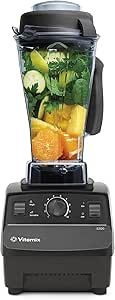
Vitamix 5200 Professional-Grade Blender, 64 oz. Container, Black

Ninja Luxe Café Mini Plus Espresso and Drip Coffee Machine with AutoFroth, Stainless Steel, ES351

KitchenAid Artisan 5-Quart Tilt-Head Stand Mixer, Almond Cream
As an affiliate, we earn on qualifying purchases.
From POEM to POÄNG
The original POEM arrived in 1976, during an era when IKEA promoted what it calls democratic design: products intended to combine form, function, quality and affordability. In a statement quoted by Livingetc, Gómez Barquín said the chair was not designed around trends but around everyday needs. That is the company’s interpretation of the design’s purpose, not a separate finding about why individual customers buy it.
The chair’s central silhouette has remained recognizable, but the product has not been frozen in its original form. IKEA’s account describes successive engineering and material revisions, alongside additional finishes and configurations. The source report also highlights newer colorways, a children’s chair, a matching footstool and a low-back option, showing how the company has extended the range around the established frame.
“Its longevity comes from the fact that it was never designed around trends. Instead, it was created to solve everyday needs through comfort, functionality, and affordability.”
— Luis Gómez Barquín, IKEA product developer
Sales and Comfort Claims
The figures of more than 30 million produced and about 1.5 million sold per year are attributed to IKEA through the source report; the report does not specify the precise period used to calculate the annual average. It also does not provide a market-by-market sales breakdown or independent verification of the totals.
The “anti-stress” description refers to Nakamura’s explanation of the chair’s intended movement and feeling. The source material provides no clinical research establishing that sitting in the POÄNG reduces stress or improves wellbeing. Current prices, stock, finishes and specifications may differ by country and change over time.
New Versions, Same Frame
IKEA’s stated approach is to keep refining the POÄNG while maintaining its recognizable frame. The source report points to newer finishes and materials, as well as existing variations such as the rocking chair and low-back model, but does not announce a new release date or a specific upcoming redesign.
Readers looking for the chair should check their local IKEA listing for current models, prices and availability. For now, the 2026 anniversary offers a moment to trace how a 1976 design has been revised for changing production needs and customer preferences without losing its defining cantilevered shape.
Key Questions
When was the IKEA POÄNG chair first introduced?
The chair debuted in 1976 under the name POEM. IKEA later renamed it POÄNG.
Who designed the original POEM chair?
The design was developed by Japanese designer Noboru Nakamura and IKEA’s former design director, Lars Engman.
How many POÄNG chairs has IKEA produced?
IKEA product developer Luis Gómez Barquín told Livingetc that the company has produced more than 30 million. The report also gives an average of about 1.5 million sold per year, without specifying the calculation period.
Does the POÄNG chair have proven stress-reduction benefits?
Nakamura said the chair’s swinging motion was intended to reduce stress and create a sense of wellbeing. The source report does not cite clinical evidence proving a health benefit, so the statement should be understood as the designer’s explanation of his intention.
What has changed about the chair over time?
IKEA says it has updated the chair’s materials and construction while retaining its recognizable cantilevered frame. Changes cited include a compact knock-down version in 2010, a UV surface treatment in 2014, strengthened connection points in 2018 and a redesigned rocking chair in 2020.
Source: rss