
Being aware of wind conditions is vital for your safety and performance on the water. Wind affects wave size, water currents, and your maneuverability, making it essential to anticipate changes and avoid hazards. By evaluating wind strength, direction, and patterns, you can decide when to launch, navigate, or return to shore. Staying vigilant helps you adjust quickly and stay safe. If you keep exploring, you’ll discover how understanding wind benefits every water adventure.

Get pool and patio gear delivered free with Prime
- Fast, free delivery on millions of items
- Prime Video, Amazon Music and more included
- Member-only deals all year
Key Takeaways
- Wind influences water conditions, affecting safety and performance during water activities.
- Assessing wind helps make informed decisions on launching, navigation, and landing.
- Awareness of wind patterns reduces risks from unpredictable or hazardous water situations.
- Understanding local wind behaviors enables quick adaptation to changing conditions.
- Wind awareness enhances control, technique, and overall safety for a more enjoyable water session.
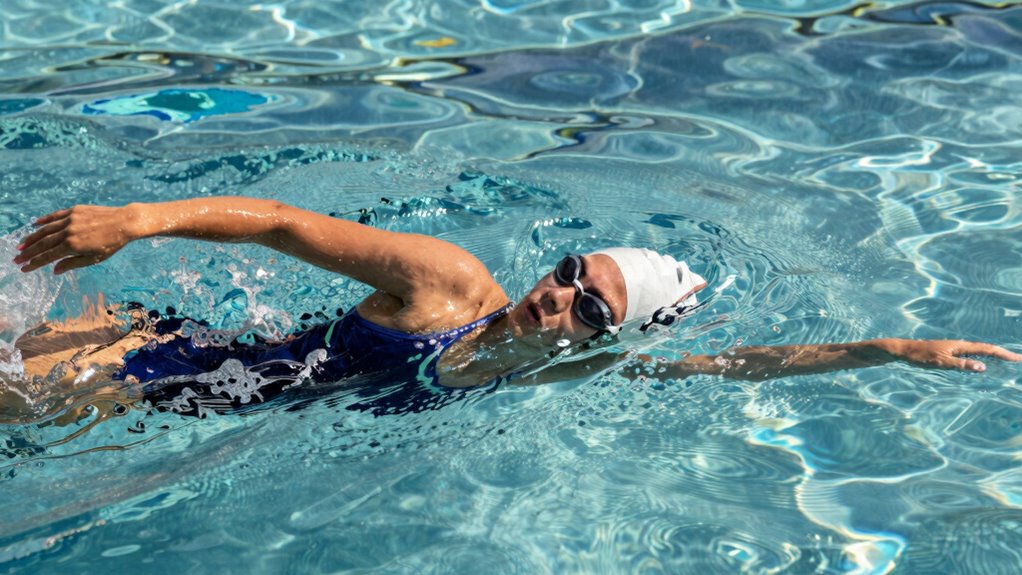
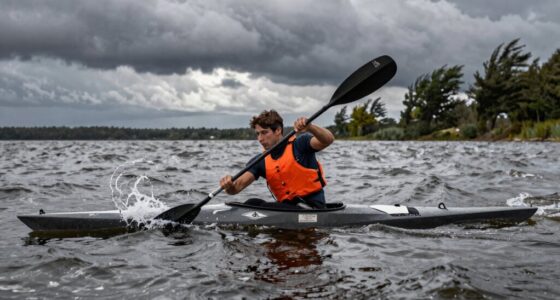
When you’re participating in water sessions, being aware of the wind is crucial for safety and performance. Wind patterns influence how water behaves, affecting everything from wave size to the direction of currents. Recognizing these patterns before you start can help you anticipate changes in conditions, giving you a better chance to adapt quickly. If you ignore the wind, you risk encountering unpredictable or hazardous situations that could compromise your safety or hinder your progress. By paying attention to wind conditions, you can plan your session more effectively, choosing the right time and place to get the most out of your activity. Understanding wind patterns involves more than just noting whether the wind is blowing or calm. You need to assess its strength, direction, and consistency. Is the wind steady or gusting? Does it come from a specific direction that might push you toward dangerous areas? Knowing these details allows you to make informed decisions about launching, navigation, and landing. For example, if the wind is strong and blowing toward open water, it’s safer to stay close to shore. Conversely, if the wind shifts suddenly or picks up unexpectedly, you may need to cut your session short to avoid being swept into unsafe zones or stranded in difficult conditions. Recognizing the importance of Wind patterns can significantly improve your safety and enjoyment during water activities. Safety precautions are crucial when considering wind’s impact on water activities. Always check weather forecasts and wind reports before heading out. If conditions suggest high winds or erratic patterns, it’s best to postpone your session or choose a sheltered location. Equip yourself with safety gear like life vests, whistles, and communication devices, and ensure your emergency plan accounts for changing wind conditions. During your session, continuously monitor the wind; what starts as manageable can quickly become dangerous if it intensifies. It is helpful to develop an understanding of local wind behaviors, which can vary depending on geography and season, and influence your decision-making process. Be ready to adjust your plans—whether that means heading back to shore early or altering your route to avoid wind-driven hazards. Incorporating wind awareness into your routine isn’t just about avoiding danger; it enhances your overall performance. When you understand how wind patterns influence water conditions, you can optimize your techniques, choose appropriate equipment, and improve your maneuvering skills. This awareness helps you stay in control and reduces fatigue caused by fighting against unexpected gusts or currents. Ultimately, paying close attention to the wind transforms your water sessions into safer, more enjoyable experiences. It keeps you alert, prepared, and capable of handling whatever nature throws your way, making wind awareness an indispensable part of every water activity you undertake.
As an affiliate, we earn on qualifying purchases.
Frequently Asked Questions
How Does Wind Speed Affect Water Session Safety?
Higher wind speeds can greatly impact your water session safety by increasing wind chill, which makes you feel colder and can lead to hypothermia faster. Gust impact also becomes more unpredictable, pushing watercraft and swimmers off course or causing instability. You need to stay aware of wind conditions, dress appropriately, and be prepared for sudden gusts to guarantee safety and enjoy your water activities responsibly.
Can Wind Awareness Improve Overall Water Session Performance?
Yes, wind awareness can improve your overall water session performance. By understanding wind turbulence and changes in atmospheric pressure, you can anticipate shifts in water conditions and adjust your techniques accordingly. This heightened awareness helps you stay safer and more responsive, enabling you to capitalize on favorable winds while avoiding hazards. Recognizing these factors allows you to optimize your movements and strategies, leading to more efficient and enjoyable water sessions.
What Gear Is Best for Windy Water Conditions?
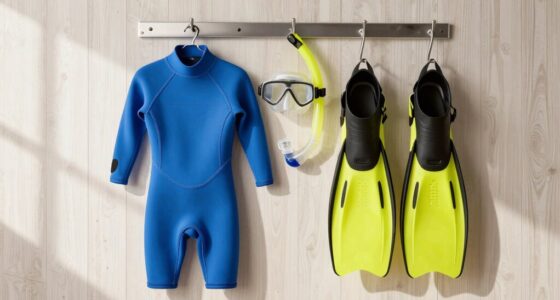
You should opt for wind resistant gear like a high-quality wetsuit, a windproof jacket, and lightweight, aerodynamic accessories that reduce drag. Using wind forecast tools helps you plan your session and avoid the strongest gusts. Prioritize gear that minimizes wind impact, keeps you warm, and offers good mobility. Being prepared with the right gear and real-time wind info guarantees you stay safe and perform well even in windy water conditions.
How Do Different Wind Directions Influence Water Session Planning?
Ever wondered how wind direction changes can impact your water session? A wind shift can suddenly alter your plans, so you need to stay alert. Consistent wind directions make planning easier and safer, while shifting winds require quick adjustments. By understanding these patterns, you can choose the best spots, adapt your techniques, and guarantee an enjoyable, safe session, no matter what the wind throws your way.
Are There Specific Signs Indicating Dangerous Wind Conditions?
Yes, there are signs indicating dangerous wind conditions. You should watch for sudden gust patterns that increase rapidly in strength, signaling unstable wind energy. If you notice wind speeds fluctuating unpredictably or gusts becoming stronger than expected, it’s a warning to be cautious. These signs suggest potential hazards, making it vital to reevaluate your water session plans. Staying alert helps guarantee your safety against sudden wind shifts.
Conclusion
As you step into the water, feel the breeze whispering past your skin, reminding you that wind isn’t just a background player—it’s an essential part of your session. When you stay aware, you can anticipate gusts that ripple the surface and challenge your balance. Embrace this dance with the wind, and your experience becomes more than just a swim; it transforms into a symphony of nature’s elements working together. Stay alert, and let the wind guide your journey.
Fall Picks
fall essentials
As an affiliate, we earn on qualifying purchases.