To make water sports less intimidating, start with beginner-friendly activities like practicing balance on dry land, then move to small waves or calm waters. Always check your gear beforehand and stay aware of water conditions to stay safe. Focus on developing your skills gradually, practicing safety protocols regularly, and gaining confidence step-by-step. As you progress, you’ll feel more comfortable and in control. Keep exploring these simple steps to master water sports with ease.

Get pool and patio gear delivered free with Prime
- Fast, free delivery on millions of items
- Prime Video, Amazon Music and more included
- Member-only deals all year
Key Takeaways
- Start with beginner-friendly activities in calm, shallow waters to build confidence gradually.
- Practice fundamental skills like balance and paddling on dry land before entering the water.
- Learn and follow basic safety protocols to reduce anxiety and ensure readiness for new challenges.
- Progress slowly by increasing activity difficulty only after mastering simpler tasks.
- Use well-maintained, appropriate gear to ensure safety and comfort throughout skill development.

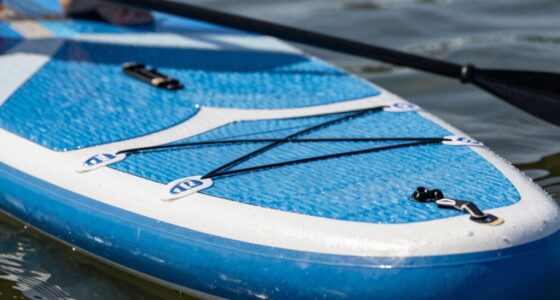
Getting started with water sports can be exciting, but knowing how to progress safely and effectively makes all the difference. The key to building confidence and skill is to follow a simple, structured approach that emphasizes safety and proper equipment use. Marine safety should always be your top priority; understanding basic rules like wearing life jackets, staying aware of weather conditions, and respecting local regulations helps prevent accidents and keeps you safe on the water. Before you even hit the water, check your gear thoroughly. Equipment maintenance isn’t just about keeping your gear looking good—it’s crucial for your safety. Regularly inspect your boards, paddles, wetsuits, and safety gear for wear and tear. Faulty equipment can lead to dangerous situations, so replace or repair damaged items promptly. Maintaining your gear ensures it performs correctly when you need it most. Proper Equipment maintenance also involves storing your gear in a dry, cool place to prevent deterioration caused by environmental factors. Additionally, learning about marine safety protocols can significantly enhance your confidence and preparedness in aquatic environments. It’s also beneficial to familiarize yourself with local water conditions, such as tides and currents, before venturing out. Being aware of potential hazards in your area can help you avoid risky situations and respond appropriately if they occur. Gaining knowledge about water safety techniques can further improve your ability to handle unexpected situations confidently. Once your equipment is in good shape, start with beginner-friendly activities that gradually introduce you to water sports. For example, if you’re learning to surf, begin on smaller, manageable waves and practice popping up on your board on dry land first. For paddleboarding, get comfortable balancing on your board while sitting and paddling at a slow pace before attempting to stand. These initial steps boost your confidence and help you develop the necessary skills without feeling overwhelmed. Always stay mindful of your surroundings and stay within designated areas for beginners. This cautious approach allows you to focus on mastering fundamental techniques before moving to more challenging conditions. As you gain confidence, you can gradually increase the difficulty of your practice sessions. This progression should be steady, not rushed. Continue practicing marine safety protocols—like signaling for help if needed and understanding water currents—so they become second nature. Remember, progressing in water sports isn’t just about physical skill; it’s also about developing a mindset of respect and awareness for the water environment. Keep your equipment well-maintained, as it’s essential for safe progression. Regular cleaning and proper storage prolong the lifespan of your gear and ensure it functions properly when you need it most.
Popular right now

Philips Café Aromis Automatic Espresso Machine with LatteGo Pro Milk System

Shark HydroVac MessMaster Wet/Dry Vacuum & Mop Combo (AW261)

Dyson V15 Detect Cordless Vacuum
As an affiliate, we earn on qualifying purchases.
Frequently Asked Questions
What Safety Gear Is Essential for Beginners in Water Sports?
You should prioritize safety equipment like a well-fitted life jacket or personal flotation device to stay buoyant. Protective gear such as helmets, wetsuits, or rash guards provide essential safety and comfort, especially in activities like surfing or kayaking. Always check that your gear fits properly and is appropriate for the water sport you’re trying. Wearing the right safety equipment and protective gear helps prevent injuries and keeps you confident as you learn new skills.
How Do Weather Conditions Affect Beginner Water Sports Activities?
Weather impact can make or break your water sport experience, turning a calm day into chaos or a thrill. Windy conditions can cause instability, while rain might reduce visibility and confidence. Water temperature is vital — if it’s freezing, you’ll struggle with comfort and safety, but warm water makes learning easier and more enjoyable. Always check weather forecasts and water temperature beforehand to guarantee a safe, fun adventure tailored to your skill level.
Can I Learn Water Sports Skills Without Professional Instruction?
Yes, you can learn water sports skills without professional instruction, but it’s important to be aware of water sports myths that might hold you back. Focus on building beginner confidence by starting with simple, manageable techniques and practicing in safe, calm conditions. Watching tutorials, reading guides, and practicing consistently can help you progress. Just remember, taking some guidance guarantees safety and faster improvement, even if you prefer self-learning initially.
How Long Does It Typically Take to Become Comfortable in New Water Sports?
You’ll likely start feeling water confident within a few sessions, usually around 4 to 6. As you practice consistently, skill mastery begins to take shape, making you more comfortable and even enthusiastic to try new moves. Coincidences happen—like falling in love with the sport or meeting friends—boosting your confidence. With patience and regular practice, you’ll find yourself enjoying water sports more and mastering skills faster.
Are There Age Restrictions for Starting Certain Water Sports?
Age restrictions vary depending on the water sport, but many offer age flexibility, allowing beginners of different ages to participate. Skills are adaptable, so you can start at any age with proper guidance. Whether you’re a kid or an adult, most activities emphasize safety and enjoyment over strict age limits. As long as you’re comfortable and follow safety rules, you can immerse yourself in new water sports at any stage of life.
Conclusion
As you glide through each new skill, think of water sports as a gentle river guiding you downstream. With every small step, you’re building a sturdy bridge over the waves of doubt, turning intimidating currents into a playful splash. Remember, patience and practice are your loyal companions on this journey. Soon, you’ll dance effortlessly on the water’s surface, riding the waves like a seasoned sailor—embracing the thrill with a confident smile.