TL;DR

Get pool and patio gear delivered free with Prime
- Fast, free delivery on millions of items
- Prime Video, Amazon Music and more included
- Member-only deals all year
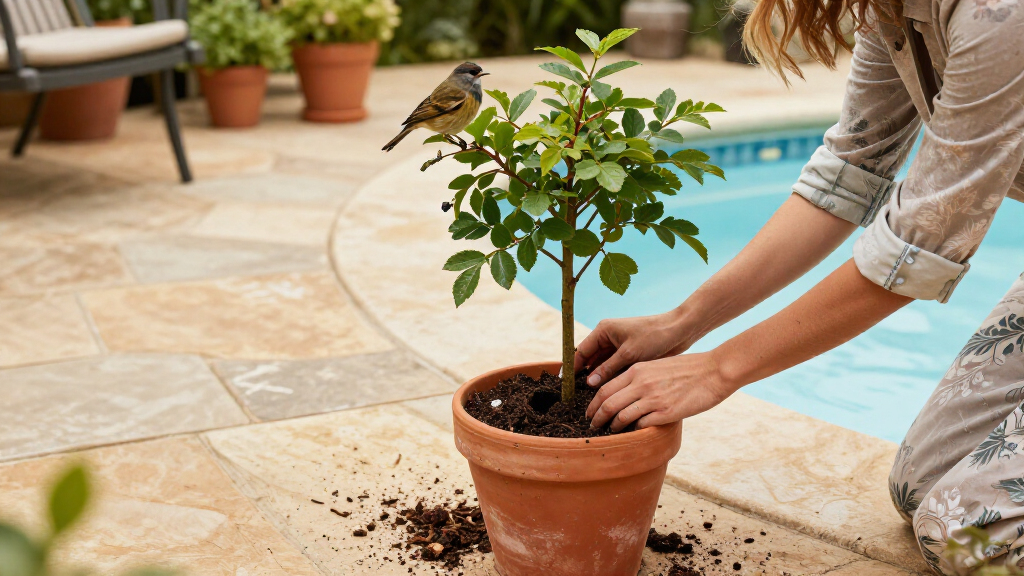
Ideal Home’s gardening report lists rowan, amelanchier, crab apple, hawthorn, blackthorn and holly as trees that can support birds in gardens. Their benefits include seasonal fruit, shelter and nesting cover, but several species can grow larger than the word “compact” suggests, so gardeners should check mature dimensions and local suitability before planting.
Ideal Home’s gardening report identifies six trees that can support birds in gardens: rowan, amelanchier, crab apple, hawthorn, blackthorn and holly. The choices offer different forms of food and cover, but their mature sizes vary, making it important for gardeners with limited space to check the particular variety before planting.
The report describes rowan as a slender tree that produces bright berries later in the year. It says a standard rowan can reach about 10 to 15 metres, while a more compact variety, Sorbus ulleungensis ‘Olympic Flame’, is expected to reach around seven metres. Gardeners should use the stated mature height, rather than the general label “small,” when deciding whether it fits.
Amelanchier offers blossoms in spring, foliage through summer, autumn colour and small dark berries that birds eat, according to the report. A standard tree may reach roughly four to eight metres. Multi-stem forms are presented as an option for a smaller garden, though the source notes that mature size still depends on the variety and growing conditions.
Crab apple provides spring blossom and fruit that ripens in autumn. The report says its flowers can benefit pollinators and that the fruit is eaten by birds and other wildlife. A dwarf variety, ‘Tina’ Malus toringo, is listed at about 1.5 metres. The report says crab apples prefer fertile, well-drained soil and can grow in sun or dappled shade.
Food and Cover Through the Seasons
The six suggestions show that a garden tree can offer wildlife more than one resource. Flowers and foliage can support pollinators and caterpillars, while fruit provides food at other points in the year. Hawthorn and blackthorn also offer dense cover that can give birds places to shelter or nest.
For readers planning a small garden, the practical issue is balancing those benefits with available space. Some listed trees can reach several metres in height or spread, and blackthorn has thorny growth. Choosing a suitably sized cultivar and placing it with its mature dimensions in mind can help avoid a tree overwhelming a garden or requiring repeated heavy pruning.
compact bird-friendly trees for small gardens
As an affiliate, we earn on qualifying purchases.
As an affiliate, we earn on qualifying purchases.
How the Six Trees Support Wildlife
The article’s recommendations are based on comments from Chris Bonnett, founder of Gardening Express, and David Denyer, a flower and garden expert at eflorist. Bonnett says native plants and trees can provide resources suited to local wildlife. Denyer recommends berry-producing trees, including rowan, holly, hawthorn and crab apple, for food when colder weather reduces insect availability.
The six choices differ in the timing and kind of support they provide. The report links amelanchier and crab apple blossom with pollinators; it says blackthorn foliage is eaten by moth caterpillars and its autumn sloes are eaten by birds. Hawthorn produces blossoms and red, berry-like fruits called haws. The provided source material begins its holly section but ends before giving its full description, so it does not establish further details about that tree’s size or care.
“Incorporating even a small selection of native plants and trees in your garden can make a big difference.”
— Chris Bonnett, founder of Gardening Express
Mature Size and Holly Details
The source material does not provide a publication date, and it does not include the full text of the holly section. It therefore supports naming holly as one of the six recommendations, but not supplying additional claims about its specific benefits, mature size or care based on this report.
Plant size can vary by cultivar and growing conditions. The figures in the article are estimates, not guarantees, and the report does not give a complete account of soil, climate or maintenance requirements for every tree. It also does not provide comparative measurements of how much each species increases bird visits or nesting activity.
Check Varieties Before Planting
Gardeners considering one of these trees can compare the cultivar’s expected mature height and spread with the space available, then check local growing guidance for soil and care needs. For a very small garden, the report’s stated 1.5-metre estimate for ‘Tina’ crab apple is notably lower than the general height ranges given for rowan, amelanchier and hawthorn; actual results may vary.
The source offers a set of planting ideas, not a planting trial or a guarantee that a particular tree will attract birds. The next practical step is to confirm the selected tree’s requirements with a nursery or reliable local horticultural guidance, especially before planting a thorny species or one that may outgrow the site.
Key Questions
Which six trees does the report recommend?
It lists rowan, amelanchier, crab apple, hawthorn, blackthorn and holly as trees that can support birds or other wildlife.
Which option is described as the smallest?
The report gives the dwarf crab apple ‘Tina’ Malus toringo an expected height of about 1.5 metres. Mature size can vary, so check the particular plant’s label and growing guidance.
Do all six trees stay small?
No. The reported estimates include 10 to 15 metres for a standard rowan and four to eight metres for standard amelanchier and the cited compact hawthorn. Those ranges make cultivar selection and available space important.
How can these trees help birds?
According to the report, some provide berries or fruit, while hawthorn and blackthorn can also offer shelter or nesting cover. Benefits vary by species and season; the article does not quantify bird visits.
Source: rss
Fall Picks
fall essentials
As an affiliate, we earn on qualifying purchases.