
TL;DR

Get pool and patio gear delivered free with Prime
- Fast, free delivery on millions of items
- Prime Video, Amazon Music and more included
- Member-only deals all year
A Country Living gardening report says many perennials can be divided in early spring as shoots emerge or in fall, ideally four to six weeks before the ground freezes. Signs include overcrowding, declining blooms and a bare-looking center; newly planted divisions need prompt watering and time to establish.
A Country Living gardening guide advises dividing many established perennials in early spring or fall to manage overcrowding, improve beds and create plants for other garden spots. The guide says fall divisions should be planted about four to six weeks before the ground freezes, while spring divisions can be made as new shoots begin to emerge.
Signs a plant may need division include being overgrown or crowding nearby plants, blooming less than before, or developing a sparse, scraggly center. Changes in the garden can also prompt a move: a maturing tree may shade a plant that previously received enough sun, for example. These are indicators to assess, not a guarantee that division is the only solution.
The report lists daylilies, asters, bee balm, irises, hostas, peonies, sedum and ferns among perennials that are generally easy to divide. It cautions against treating every perennial the same: plants with deep taproots, including baptisia and lupines, and woody-based plants such as lavender and Russian sage are described as poor candidates for division.
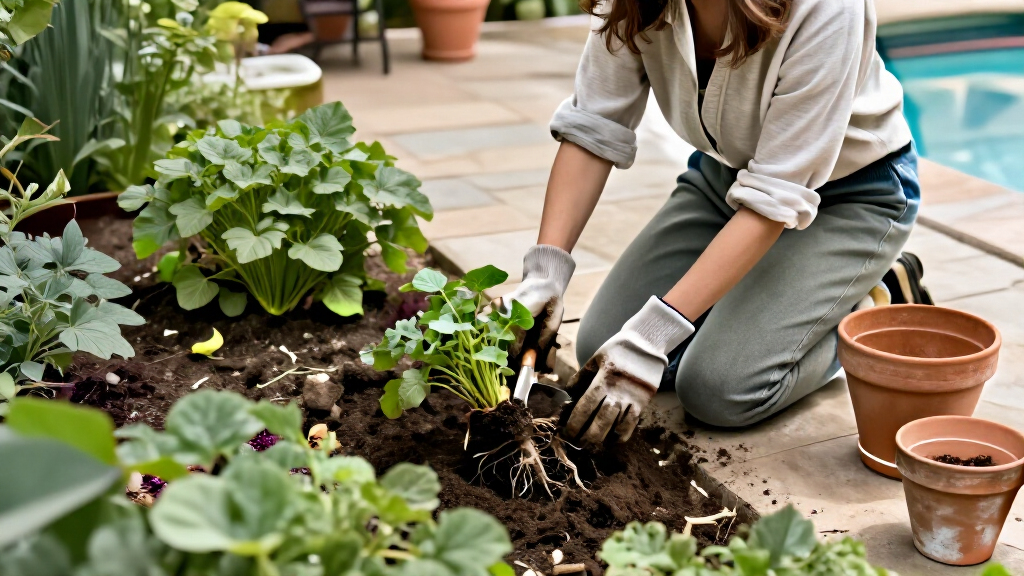
To divide a suitable plant, first choose the new location so the division can be replanted promptly. Lift the whole plant with a spade or garden fork, or cut away a section from its outer edge. A garden knife can help with tough, fibrous roots. Replant at the same depth as before, backfill, firm the soil and water well. The guide says not to fertilize immediately; keep the soil slightly damp while the plant establishes, without leaving it waterlogged.
Division Can Rejuvenate Crowded Beds
Division gives gardeners a way to manage crowded plants and use existing perennials to fill bare areas, rather than relying only on new purchases. Moving a division can also help respond to changing conditions, such as shade from a tree that has grown larger. Those benefits depend on choosing a suitable plant and giving it time to establish.
The timing and aftercare matter because a newly moved division needs to grow roots in its new location. The guide recommends avoiding division while plants are flowering, when they are directing energy toward blooms, and during very hot midsummer weather, which it describes as stressful for plants. It also warns that some perennials may take a few years to bloom again after being moved.
garden spade for dividing perennials
As an affiliate, we earn on qualifying purchases.
As an affiliate, we earn on qualifying purchases.
Seasonal Timing and Plant Suitability
The source presents spring and fall as the main windows for division: spring, when green shoots are just appearing, and fall, when temperatures are mild and rainfall is generally more plentiful. For fall planting, it recommends allowing about four to six weeks before the ground freezes so a transplant can put down roots. Local weather and the timing of the ground freeze affect when that window falls.
Some gardeners, according to the report, prefer dividing spring-flowering plants in fall and fall-flowering plants in spring. The author says gardeners need not follow that rule in every case, describing successful divisions of different types in fall when the plants are kept watered as they establish. That is the author’s experience, not a guarantee for every plant or growing condition.
““Just make sure to tackle this chore about 4 to 6 weeks before the ground freezes in your area.””
— Country Living gardening report
Local Conditions Affect Success
The source does not give a publication date or recommendations tailored to particular climate zones, soil types or regional freeze dates. Its seasonal guidance is general, so the suitable planting window may differ with local conditions. It also does not provide survival rates or guarantee that any division will take; the report explicitly acknowledges that a transplant can fail despite careful handling.
Whether a particular plant needs dividing may also depend on its variety and growing conditions. The guide provides visible signs to check, but does not offer a fixed schedule for dividing each listed perennial.
Replant Promptly and Monitor Growth
For gardeners planning to divide a plant, the next step is to check its condition, choose a suitable weather window and prepare the new planting spot before lifting it. Once replanted, water well and monitor soil moisture, especially during a hot, dry spell. The report advises keeping the soil slightly damp rather than sopping wet and skipping fertilizer immediately after division.
There is no single follow-up date or outcome promised in the guide. Watch for establishment and allow time for growth: some plants may not flower again for a few years. If a division does not survive, the author says gardeners can try again the following year.
Key Questions
When is the best time to divide perennials?
The guide recommends early spring, as green shoots emerge, or fall, when temperatures are mild. In fall, aim to divide about four to six weeks before the ground freezes locally.
Which signs suggest a perennial may need dividing?
Look for overcrowding, reduced flowering or a sparse, scraggly center. A change in the garden, such as increased shade, may also mean the plant needs a new location.
Which perennials are generally easy to divide?
The report names daylilies, asters, bee balm, irises, hostas, peonies, sedum and ferns, among others. It describes plants with deep taproots, such as baptisia and lupines, and woody-based lavender and Russian sage as poor candidates.
How should a divided perennial be replanted?
Choose the spot first, then replant the division promptly at its original depth. Backfill, firm the soil and water well; keep the soil slightly damp as the plant establishes and do not fertilize immediately, according to the guide.
Should perennials be divided while flowering?
The report advises against dividing plants while they are in flower or during very hot midsummer weather. It says flowering plants are putting energy into blooms and that midsummer heat can add stress.
Source: rss
Fall Picks
fall essentials
As an affiliate, we earn on qualifying purchases.