TL;DR

Get pool and patio gear delivered free — and shop member deals
- Fast, free delivery on millions of items
- Access to Prime Big Deal Days deals on October 6–7
- Prime Video, Amazon Music and more included
A report by Amateur Gardening outlines seven ways to feed garden birds during winter while reducing risks linked to dirty feeders and overcrowding. Its recommendations include cleaning feeders weekly, offering only amounts birds can eat promptly, changing bird-bath water daily and preserving seed heads and berry-producing plants.
Amateur Gardening has outlined seven ways to feed garden birds through winter while reducing potential disease risks, including cleaning feeders each week, limiting food quantities and providing fresh water. The advice matters because birds can gather around feeders, where contaminated food or surfaces may help disease spread, and because natural food sources become scarcer in colder months.
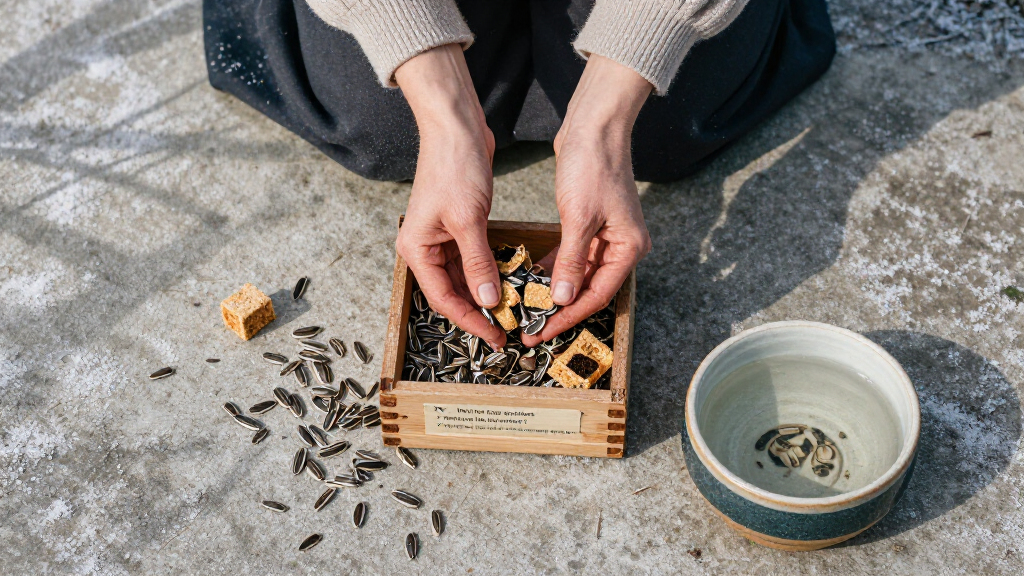
The report recommends offering food during the colder part of the year, which it defines as November 1 to April 30. Suggested foods include birdseed, peanuts, fat and suet balls. It says feeders should be hung rather than food placed on flat surfaces, and should be cleaned weekly with warm soapy water and a non-toxic disinfectant. Moving feeders to a different garden location each week and keeping them away from trees or roosting spots may reduce contamination from droppings.
Food should be offered in measured amounts: seed and peanuts should be eaten within one to two days, while fat and suet balls should be replaced every seven days. The report advises keeping food dry and removing mealworms before dusk, particularly if they have been scattered on the ground, because it says they may be harmful to hedgehogs. For bird baths, it recommends changing the water and cleaning the bath daily, using tap water.
The remaining recommendations focus on the garden’s natural food and shelter. Rather than clearing every spent plant, gardeners can leave seed heads from sunflowers, coneflowers, teasel and black-eyed Susan. Berry-producing plants, including hawthorn, holly and rowan, can also provide food, while dense foliage can offer cover. The report says flowering plants that attract insects may provide additional food for birds and their chicks.
Safer Feeding During Disease Risks
Feeding can support birds when natural food is less available, but congregating around a feeder can also create conditions in which disease may spread. The report highlights trichomonosis, described as a contagious disease affecting garden birds, and says the RSPB has linked it to declines in some familiar species. That makes feeder hygiene and avoiding excess food practical steps for people who feed birds, rather than treating food provision as an uncomplicated benefit.
The report cites greenfinches as one example: it says their numbers have fallen by more than 65% over three decades, and that the species moved from seventh in the RSPB’s Big Garden Birdwatch top ten in 1979 to 18th this year. Those figures are presented in the source report; they do not establish that feeder practices alone caused the decline. The broader point is that gardens can offer food and habitat, while careless feeding may bring risks that require attention.
Planting and preserving natural food sources can spread feeding opportunities beyond a single feeder. Seed heads, berries, insects and shelter help make a garden useful to wildlife across the year. This approach also gives gardeners a way to support birds without relying only on supplied food.
As an affiliate, we earn on qualifying purchases.
Seasonal Food and Garden Habitat
The recommendations come from an Amateur Gardening report about winter bird care, drawing attention to seasonal feeding and safe feeder use. It says feeding can be paused during the warmer months, from May 1 to October 31, when seeds and insects are more readily available in gardens, and resumed as winter approaches. These dates are the report’s guidance, not a universal rule for every place or weather condition.
The report attributes the principles of feeding seasonally and safely to the RSPB. It also describes how plants can serve multiple purposes: sunflowers and teasel produce seeds, berry-bearing shrubs feed birds, and flowers that attract caterpillars and other insects can contribute to food supplies. Leaving some plants standing after flowering can preserve those resources instead of removing them during an autumn tidy-up.
Market Wide Research is cited in the original report as estimating the UK bird feeder market at $112.5 million in 2026 and projecting it to reach $171.56 million by 2035. That is a market forecast, not a measure of bird populations or evidence that feeder sales improve bird welfare.
““feed seasonally” and “feed safely””
— The RSPB, as quoted in Amateur Gardening
Limits of the Reported Evidence
The report does not provide a detailed study or methodology for its advice, and the supplied material does not independently verify the cited population figures or market forecast. Its account of greenfinch decline does not show how much, if any, is caused by feeding practices, nor does it quantify the effect of the recommended cleaning routine on disease transmission.
Local conditions can also affect which food is available and when birds need supplementary feeding. The report’s seasonal dates and food-handling intervals are presented as general guidance; it does not explain how they should be adjusted for different climates, species or garden circumstances. Readers should follow current guidance from wildlife organisations when conditions or advice change.
Practical Steps for Gardeners
Gardeners following the report can start with feeder hygiene: clean feeding equipment weekly, keep food dry, avoid placing it in large piles and move feeding points periodically. They can also check that food is being eaten within the suggested periods, replace fat and suet balls weekly, and refresh bird-bath water every day.
As gardens are prepared for winter, leaving some seed heads standing and retaining suitable berry-producing plants can add natural food and cover. The source material does not announce a new government or conservation policy, or a scheduled follow-up study. The immediate next step is for people feeding birds to apply the hygiene advice and check updated recommendations from organisations such as the RSPB.
Key Questions
When does the report recommend feeding garden birds?
It recommends feeding from November 1 to April 30, when natural food may be less available, and says feeding can be paused from May 1 to October 31. Conditions vary, so these dates should be treated as the report’s general guidance.
How often should bird feeders be cleaned?
The report recommends cleaning feeders weekly with warm soapy water and a non-toxic disinfectant. It also suggests moving feeders to a different spot each week and keeping them away from trees or places where birds roost.
How much food should be put out?
According to the report, seed and peanuts should be eaten within one to two days. It advises changing fat and suet balls every seven days and keeping all food dry.
Which plants can provide food for garden birds?
The report lists sunflowers, coneflowers, teasel and black-eyed Susan for their seeds, as well as hawthorn, holly and rowan for berries. Leaving some seed heads in place can preserve food through winter.
What does the report say about bird-bath water?
It recommends cleaning a bird bath and changing its water every day, using tap water. The report does not provide separate advice for particular water systems or local conditions.
Source: rss
Halloween Picks
halloween
As an affiliate, we earn on qualifying purchases.