
TL;DR

Get pool and patio gear delivered free — and shop member deals
- Fast, free delivery on millions of items
- Access to Prime Big Deal Days deals on October 6–7
- Prime Video, Amazon Music and more included
Yellowjacket colonies approach the end of their annual cycle in late summer and fall, and workers spend more time seeking food, according to an entomologist cited by Country Living. Cover food and drinks, clean up sugary spills, avoid swatting, and get professional help if you find a nest in or near your home.
A Country Living report says people may encounter more yellowjackets in late summer and fall, when colonies near the end of their annual cycle and worker wasps spend more time searching for food. The seasonal pattern can make outdoor meals and yard work more likely to bring people close to the insects, which can sting when they feel threatened.
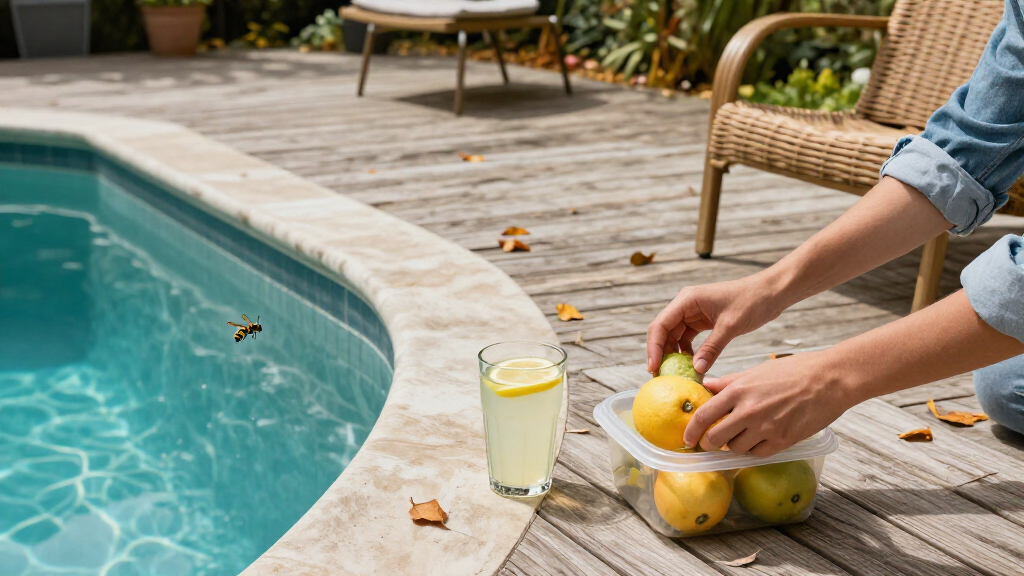
Bill Stodder, an associate certified entomologist with Neuse Termite and Pest Control, told Country Living that workers are more focused on finding food as the colony’s annual cycle winds down. Yellowjackets are drawn to sweet-smelling items, including soda, ripe fruit, trash and some floral- or fruit-scented personal-care products. Gordon Doran, chief executive of Natran Green Pest Control, recommended keeping food and drinks covered outdoors and wiping up spills.
Doran warned that a yellowjacket can crawl into an open drink container without being noticed. He suggested pouring drinks into a clear cup and watching for fallen or ripe fruit. Sugary residue should be rinsed from recycling containers, and garbage lids should be kept closed. If a wasp approaches, he advised moving away calmly rather than swatting or running, which he said can trigger a defensive response.
Sugar water can also attract yellowjackets to hummingbird feeders. Doran suggested keeping feeders clean and, if insects persist, considering a saucer-style feeder with ports on top. Stodder said yellowjackets can nest underground, in wall spaces, under eaves, in attics or beneath decks. Repeated flight to and from one spot may indicate a nest; homeowners should avoid disturbing it.
Reducing Stings Around Food and Homes
Changing outdoor habits can reduce the chances of attracting yellowjackets, especially around open drinks, fallen fruit and exposed food. That matters for people eating outside or working in yards during the season when workers are actively searching for food. Checking where wasps repeatedly fly can also help people spot a possible nest before mowing, digging or undertaking nearby work.
The guidance is about reducing encounters, not eliminating yellowjackets from the environment. Stodder told Country Living that they help control pests such as flies and aphids and serve as prey for other wildlife. They also contribute to pollination, though the report says they do less pollination work than bees. Avoiding a nest rather than trying to remove it can lower the risk of provoking defensive insects.
As an affiliate, we earn on qualifying purchases.
How the Seasonal Cycle Affects Foraging
Yellowjackets are social wasps that live in colonies. According to Stodder, the colonies reach the end of their annual cycle in fall, when workers spend more time looking for food. The report describes this as a period when people may notice more wasps around sugary food and drinks; it does not provide colony counts or a measured comparison with other seasons.
Nests may be hidden in places people do not readily see, including old animal burrows and building cavities. Stodder recommended inspecting sheltered areas around eaves, sheds, fences and play structures in spring, when queens may start small nests, and sealing openings that could lead into wall spaces. He also cautioned that yellowjackets can defend nests, particularly in late summer and fall.
“Workers spend more of their time looking for food.”
— Bill Stodder, associate certified entomologist at Neuse Termite and Pest Control, as quoted by Country Living
What the Seasonal Advice Does Not Measure
The report offers expert explanations and practical precautions but does not provide local counts showing how much yellowjacket activity rises in fall, or how risk varies by region, weather or species. It also does not establish that every encounter results from food-seeking or that a particular feeder design will keep wasps away in all circumstances.
Not every nest or flight pattern can be identified safely from a distance. The report does not give a single threshold for when a nest requires professional removal. Anyone who suspects a nest in a wall, underground or near a frequently used area should avoid disturbing it and seek advice from a qualified pest professional.
Inspect Sheltered Areas Before Nesting
Homeowners can check sheltered spots around buildings and outdoor structures in spring, seal openings where practical and keep food waste contained. During late summer and fall, cover meals and drinks, clean sugary residue and leave an area calmly if yellowjackets gather. If wasps repeatedly enter and exit one location, treat it as a possible nest rather than attempting to investigate or remove it yourself; contact a pest-control professional for guidance.
Key Questions
Why can yellowjackets seem more aggressive in fall?
According to entomologist Bill Stodder, colonies are nearing the end of their annual cycle and workers spend more time searching for food. People may encounter them around sweet drinks, ripe fruit and trash.
What should I do if a yellowjacket comes near me?
Gordon Doran advises against swatting or running. Move away calmly, and avoid disturbing any nest you may have found.
How can I reduce yellowjackets around an outdoor meal?
Keep food and drinks covered, clean spills, rinse sugary residue from recycling and close garbage lids. The report also suggests using a clear cup so a wasp inside a drink is easier to see.
Where might a yellowjacket nest be located?
Nests can be underground or in sheltered spaces such as wall voids, attics, under eaves or beneath decks. Repeated wasp traffic to one place may indicate a nest.
Should I remove a nest myself?
The report cautions that yellowjackets can defend their nests. Avoid disturbing a suspected nest and contact a qualified pest-control professional for advice.
Source: rss
Halloween Picks
halloween
As an affiliate, we earn on qualifying purchases.