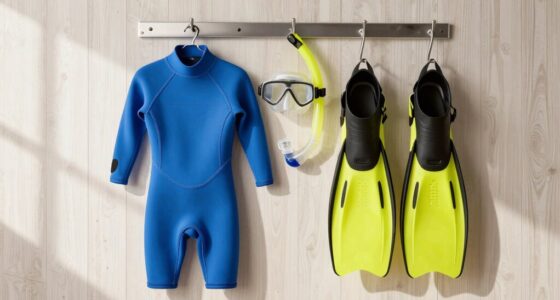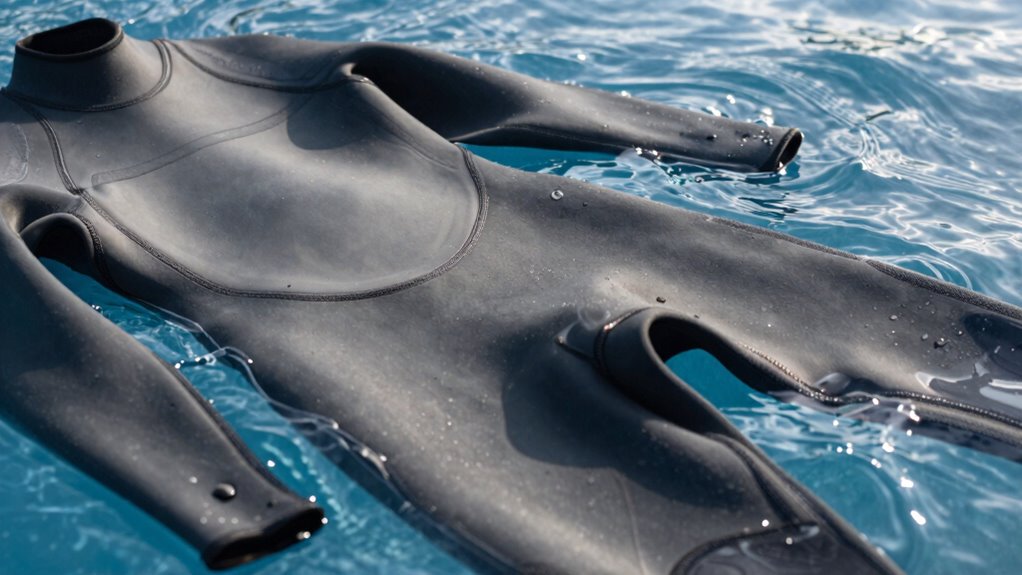

Wetsuit thickness indicates how much insulation you’ll get in different water temperatures, helping you stay warm and flexible. For warmer waters, like above 75°F, a 1-2mm suit works well, offering comfort and mobility. In cooler waters (60-75°F), a 3-4mm wetsuit provides better warmth, while in cold conditions below 60°F, 5-7mm suits are ideal for keeping you comfortable. Understanding this helps you choose the right suit for your water adventures—more details are just a step away.

Get pool and patio gear delivered free with Prime
- Fast, free delivery on millions of items
- Prime Video, Amazon Music and more included
- Member-only deals all year
Key Takeaways
- Wetsuit thickness, measured in millimeters, indicates insulation level to maintain body warmth in specific water temperatures.
- Thinner wetsuits (1-3mm) are suitable for warmer waters, providing flexibility and comfort.
- Thicker wetsuits (5-7mm) are designed for colder waters to prevent heat loss and ensure safety.
- The ideal thickness balances insulation, flexibility, and durability based on water temperature conditions.
- Using the correct wetsuit thickness enhances comfort, safety, and performance during water activities.
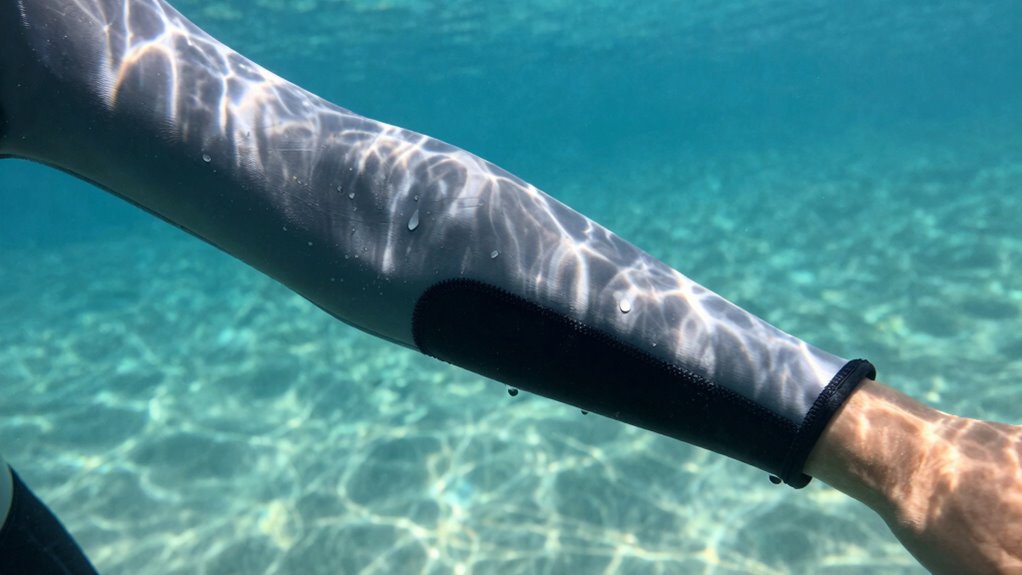
Choosing the right wetsuit thickness is essential for staying comfortable and safe in different water temperatures. When you pick the correct thickness, you ensure your body stays warm without sacrificing movement or flexibility. Wetsuit thickness directly influences how well your suit insulates, but it also impacts other key factors like neoprene flexibility and wetsuit durability. These elements are crucial because they determine how easily you can move through the water and how long your wetsuit will last under regular use.
Choosing the right wetsuit thickness balances warmth, flexibility, and durability for optimal water adventures.
At the core, neoprene flexibility is what allows you to paddle, swim, or surf without feeling restricted. Thicker wetsuits tend to be less flexible because they have more material to insulate against the cold. Conversely, thinner wetsuits offer better flexibility, making them ideal for high-mobility activities in milder water. When you opt for a wetsuit that’s too thick for the water temperature, you might feel stiff and uncomfortable, which can hinder your performance. On the other hand, choosing a suit that’s too thin for colder waters can leave you feeling cold and vulnerable. The key is finding a balance—selecting a thickness that provides warmth without sacrificing your freedom of movement.
Wetsuit durability also hinges on thickness. Thicker suits typically last longer because they’re more resistant to wear and tear. If you’re planning to surf or dive frequently, investing in a thicker wetsuit can save you money over time, as it withstands the rigors of regular use better. However, thicker neoprene can be bulkier, which might affect your agility. Thinner wetsuits, while more flexible, tend to wear out faster and may need replacing sooner. It’s important to consider not just the water temperature but also how often you’ll be using the suit and the conditions you’ll face. For instance, a suit designed for winter sports might be thicker but may feel cumbersome if you’re engaging in more dynamic activities. Additionally, sustainable manufacturing practices are increasingly being integrated into wetsuit production, which can influence your choice if environmental impact is a concern. Incorporating eco-friendly materials into wetsuits is becoming more common, allowing you to make more environmentally conscious decisions.
Understanding biodiversity and its importance can also influence your choice of gear, as sustainable practices in wetsuit manufacturing help reduce environmental impact. Ultimately, understanding what wetsuit thickness means in real water temperatures helps you make smarter choices. It’s not just about staying warm; it’s about optimizing your comfort, movement, and the longevity of your gear. By balancing neoprene flexibility with wetsuit durability, you can enjoy your water adventures more fully, knowing you’re suited up appropriately for the conditions.
As an affiliate, we earn on qualifying purchases.
Frequently Asked Questions
How Often Should I Replace My Wetsuit Due to Wear?
You should replace your wetsuit when you notice significant wear and tear, usually every 3 to 5 years, depending on usage. The wetsuit lifespan varies with frequency of use, storage, and materials. Regularly inspect for thinning neoprene, tears, or loss of flexibility. If your suit no longer insulates well or shows visible signs of damage, it’s time to substitute it to guarantee safety and comfort in the water.
Can Different Wetsuit Brands Provide the Same Warmth at the Same Thickness?
Think of wetsuit brands as different shields, each crafted with unique armor. When comparing brands, you’ll find that insulation materials like neoprene vary, meaning similar thickness doesn’t guarantee identical warmth. Some brands use superior insulation technology, providing better thermal protection at the same thickness. So, you might choose a brand that offers advanced insulation, ensuring you stay warm even if the suits look similar on the outside.
How Do I Properly Care for and Store My Wetsuit?
To properly care for your wetsuit, rinse it thoroughly with fresh water after each use to remove salt and debris. For wetsuit maintenance, avoid exposing it to direct sunlight or high heat; instead, hang it on a wide, padded hanger to prevent stretching. Use storage tips like keeping it in a cool, dry place, and avoid folding it sharply to prevent creases. Regularly check for tears and repair promptly.
Are There Specific Wetsuits for Different Water Sports Beyond Thickness?
You might be surprised to find different wetsuits tailored for specific water sports, thanks to material flexibility and design differences. For example, surfing wetsuits prioritize flexibility to allow movement on the board, while diving suits focus on insulation. These variations guarantee you get the perfect fit and performance. Choosing the right wetsuit depends on your activity, helping you stay comfortable, agile, and protected in your favorite water adventures.
How Does Fit Impact a Wetsuit’s Thermal Performance?
You should know that fit importance directly impacts a wetsuit’s thermal efficiency. When your wetsuit fits snugly, it minimizes water gaps that could let in cold water, keeping you warmer. A poorly fitting wetsuit causes water exchange, reducing insulation and making you feel colder faster. To maximize thermal performance, choose a wetsuit that contours your body without restricting movement, ensuring ideal warmth and comfort in the water.
Conclusion
Ultimately, understanding wetsuit thickness helps you stay comfortable and safe in the water. While a thicker suit offers more warmth, it can also limit mobility. The common belief that a 3/2mm wetsuit suits all temperatures isn’t entirely accurate—your activity level and personal comfort matter too. So, don’t just rely on numbers; test different thicknesses, listen to your body, and find what truly keeps you warm without sacrificing your freedom to move.
Halloween Picks
halloween
As an affiliate, we earn on qualifying purchases.