The wind window is the cone-shaped area in which your kite can safely fly, affected by wind direction and speed. When you control your kite, you want it centered within this window to stay safe and responsive. Moving outside the boundaries or ignoring wind shifts can cause loss of control or accidents. By understanding how wind changes affect the kite’s position, you’ll improve your skills and stay safe—continue exploring to master this essential concept.

Get pool and patio gear delivered free — and shop member deals
- Fast, free delivery on millions of items
- Access to Prime Big Deal Days deals on October 6–7
- Prime Video, Amazon Music and more included
Key Takeaways
- The wind window is a cone-shaped area where wind flows and the kite can be safely operated.
- Wind direction and speed determine the kite’s position and control within this area.
- Adjusting the kite’s position helps stay in the strongest, most stable part of the wind window.
- Riding outside the wind window can cause loss of control and safety hazards.
- Monitoring wind changes and making smooth adjustments improve safety and kiteboarding performance.
kiteboarding wind window safety gear
As an affiliate, we earn on qualifying purchases.
As an affiliate, we earn on qualifying purchases.
What Is the Kiteboarding Wind Window?
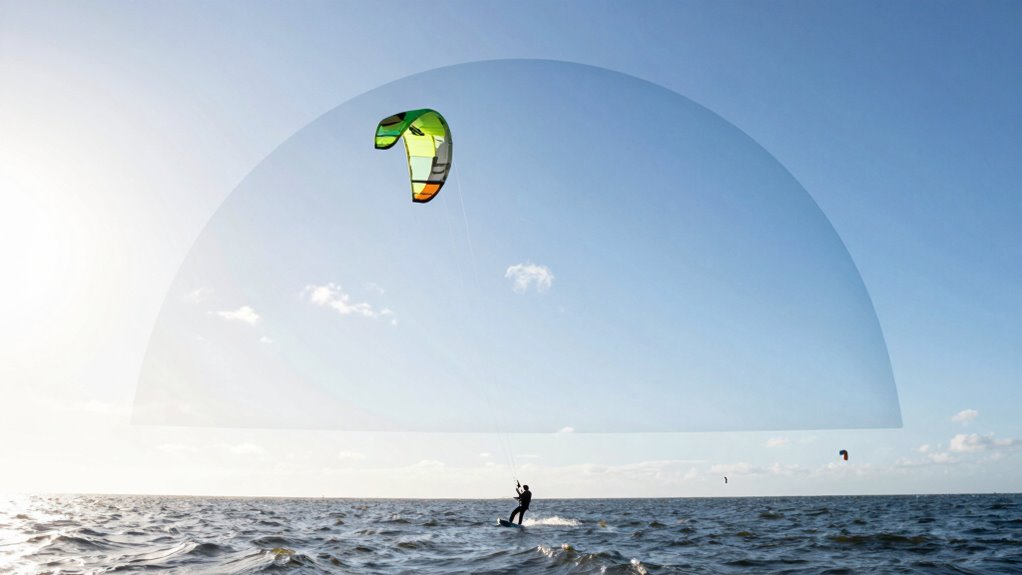
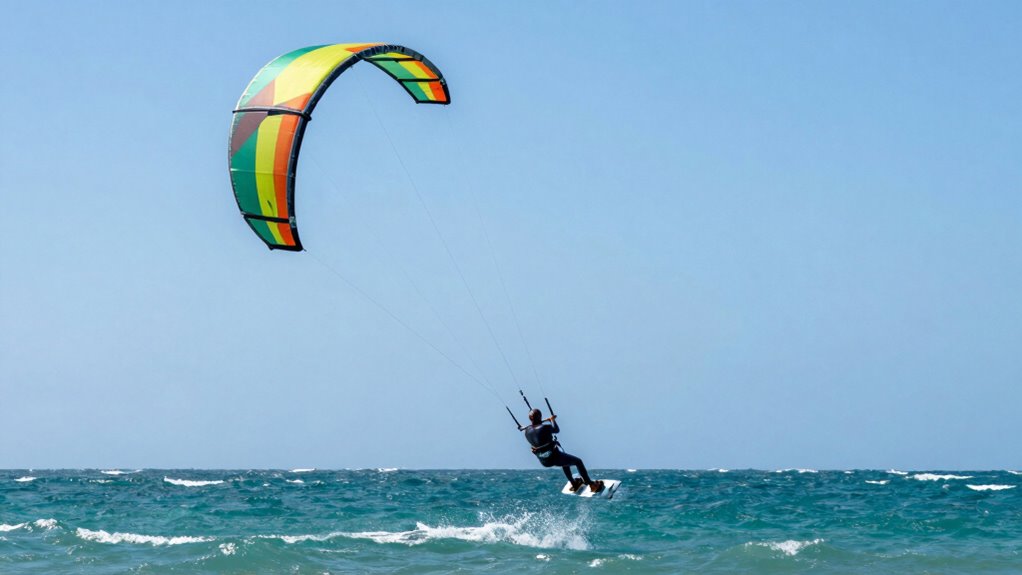
Have you ever wondered how kiteboarders know the best direction to ride? It all comes down to understanding the kiteboarding wind window. This is the area where the wind flows and your kite can safely operate. Knowing the wind window is key to kitesurfing safety because it helps you avoid dangerous zones, like areas with no wind or too much boost. Weather patterns influence the size and shape of this window, which varies depending on wind strength and direction. When you grasp where the wind blows from and how it spreads across the water, you can stay within the safe zone and enjoy smoother rides. Recognizing the wind window ensures you stay in control and minimize risks while kiteboarding.
How Does Wind Direction Impact Your Kite’s Position?
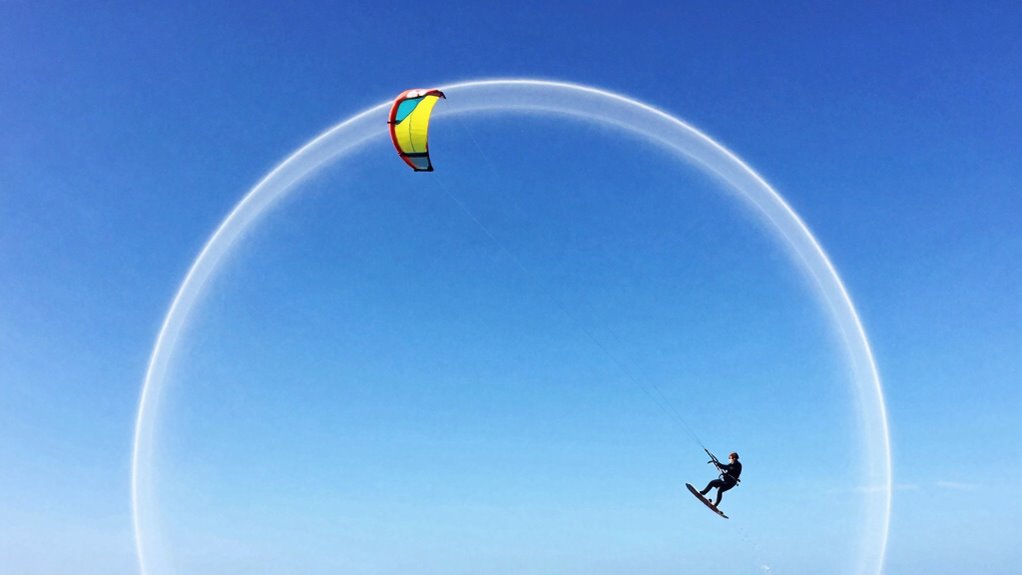
Your kite’s position changes based on the wind direction, so you need to stay aware of shifts and adjust accordingly. When the wind shifts, you’ll have to reposition the kite to maintain control and stay within the wind window. Managing these changes smoothly ensures you keep your ride steady and safe.
Wind Direction’s Influence
Wind direction plays a crucial role in determining where your kite will sit in the sky, directly affecting your control and safety. When the wind blows from different directions, it influences your kite’s angle and position within the wind window. For example, on your side, the kite may sit at a steeper kite angle, making it more responsive but also more sensitive to wind shear. Wind shear—variations in wind speed or direction at different heights—can cause sudden shifts in the kite’s position, especially if the wind is unstable. Understanding how wind direction impacts your kite’s location helps you anticipate its behavior, so you can maintain better control and avoid dangerous situations. Being aware of these factors makes you a more confident kiteboarder.
Adjusting Kite Position
When the wind shifts direction, you need to adjust your kite’s position to maintain ideal control. Changing wind direction affects kite stability, so you’ll want to keep the kite centered in the wind window for balanced pull and responsiveness. If the wind shifts, your kite may drift toward the edge of the window, where wind shear is more pronounced. Wind shear can cause sudden changes in wind speed at different heights, destabilizing your kite. To counter this, you should move the kite slightly toward the side with stronger, more consistent wind, ensuring it remains within the best zone. Properly adjusting your kite’s position helps maintain stability, reduces the risk of accidental depower, and keeps your ride smooth and controlled despite shifting wind conditions.
Navigating Wind Shifts
Changes in wind direction directly influence your kite’s position within the wind window, requiring you to adjust your control to stay balanced. Wind shifts and gusts can quickly change how your kite behaves, making it essential to stay alert. When the wind shifts, you might need to steer your kite further forward or backward in the window to maintain power and control. Gusts can cause sudden pulls, so you should be prepared to depower or steer your kite accordingly. By recognizing these changes early, you can adapt smoothly.
- Watch for subtle wind shifts to anticipate movement
- Adjust your kite’s angle to maintain consistent power
- Keep control bar movements smooth and deliberate
- Stay aware of gusts to prevent over- or under-powering
What Is the Shape of the Wind Window and Its Boundaries?
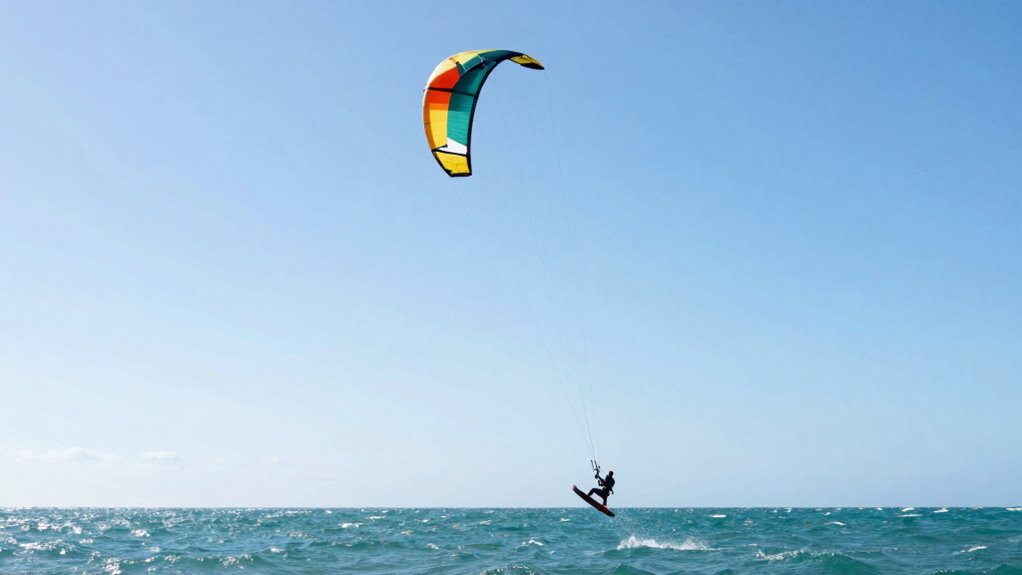
Have you ever wondered what shape the wind window takes during kiteboarding? It’s fundamentally a cone or fan-shaped area that extends outward from you, with clear boundary zones defining where the wind is usable. The kite shape within this area is widest at the center, narrowing toward the edges. The boundaries mark the limits where the wind drops off or becomes too strong, creating zones you should avoid.
| Boundary Zone | Description |
|---|---|
| Inner Zone | Strong, consistent wind close to you |
| Middle Zone | Moderate wind, ideal for most riders |
| Outer Zone | Weak or turbulent wind, risky to ride |
Knowing these boundary zones helps you stay safe and optimize your kiteboarding experience.
How Do You Find and Stay Inside the Best Part of the Wind Window?

To find and stay inside the best part of the wind window, you need to observe how the kite behaves and adjust your position accordingly. The goal is to maintain kite stability while managing wind variability. Watch for signs like the kite’s angle and tension; if it starts to wobble or drift, reposition yourself. Staying inside the ideal zone ensures consistent power and control.
- Keep the kite slightly above or at the edge of the wind window for stability
- Move your body sideways to stay aligned with the wind direction
- Adjust your line tension to counteract wind shifts
- Pay attention to your kite’s feedback and reposition before losing power or control
Why Does Your Kite’s Position Inside the Wind Window Matter?
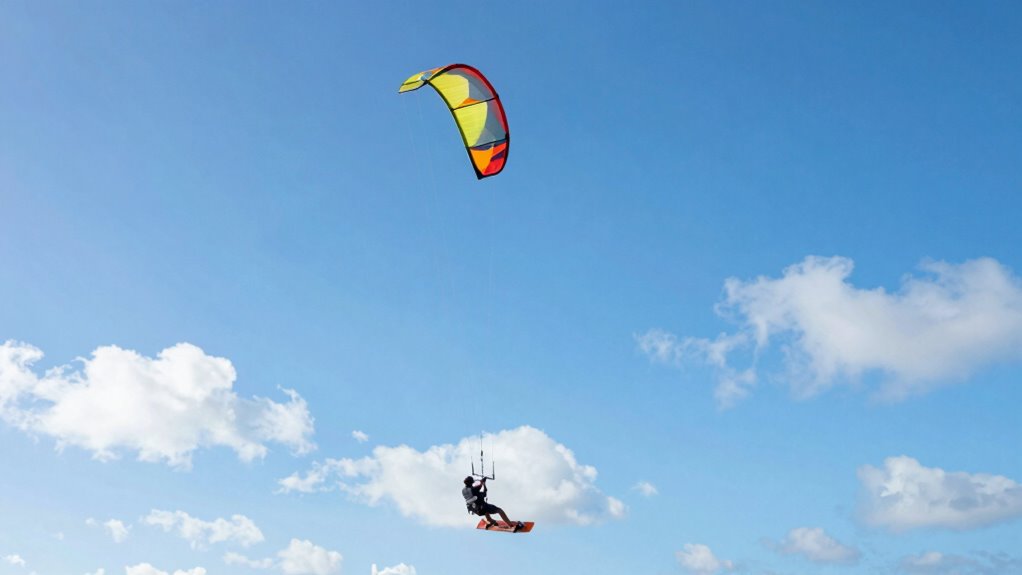
Your kite’s position inside the wind window directly impacts your safety and control, so keeping it in the right spot is essential. When your kite is well-placed, you can maximize power and make riding easier. Proper positioning also helps you maneuver smoothly and respond quickly to changing conditions.
Safety and Control
The position of your kite inside the wind window directly affects your safety and control. If your kite isn’t properly positioned, you risk losing control or causing accidents. Maintaining awareness of your kite’s location helps you respond quickly and avoid hazards. Proper kite safety starts with understanding how your kite’s position influences its power and responsiveness. Regular gear maintenance ensures your lines, bridle, and bar are in good condition, preventing unexpected failures. Always keep your kite within the ideal zone for safe handling. Misjudging the kite’s position can lead to sudden pulls or crashes, so stay alert. Remember, controlling your kite’s position is key to staying safe and enjoying your session. Proper technique and gear care go hand in hand for a secure kiteboarding experience.
Power Optimization
The position of your kite inside the wind window directly determines how much power it generates. Proper placement affects your kite’s lift and overall kite safety. When your kite is too far forward, it loses power; too far back and it may pull excessively. Optimizing its position ensures efficient equipment setup and control. Consider this table for quick reference:
| Kite Position | Power Level | Safety Tip |
|---|---|---|
| Forward | Low | Less pull, easier control |
| Center | Moderate | Balanced, safe |
| Backward | High | Increased power, risk of overcontrol |
Knowing where to place your kite within the wind window helps you maximize power while maintaining safety. Proper positioning is key to efficient, safe kiteboarding.
Easy Maneuvering
Positioning your kite correctly within the wind window makes maneuvering much easier. When you maintain proper kite control and stay aware of wind shifts, your movements become more fluid and precise. A well-placed kite reduces the effort needed to change direction or perform tricks. It also helps you respond quickly to gusts and lulls, keeping you safe and in control.
- Keep the kite within the center of the wind window for smooth turns
- Use wind awareness to anticipate changes and adjust your steering
- Avoid the edges to prevent loss of control or power surges
- Practice keeping the kite stable to enhance maneuverability and confidence
What Are Common Mistakes When Riding Outside the Wind Window?
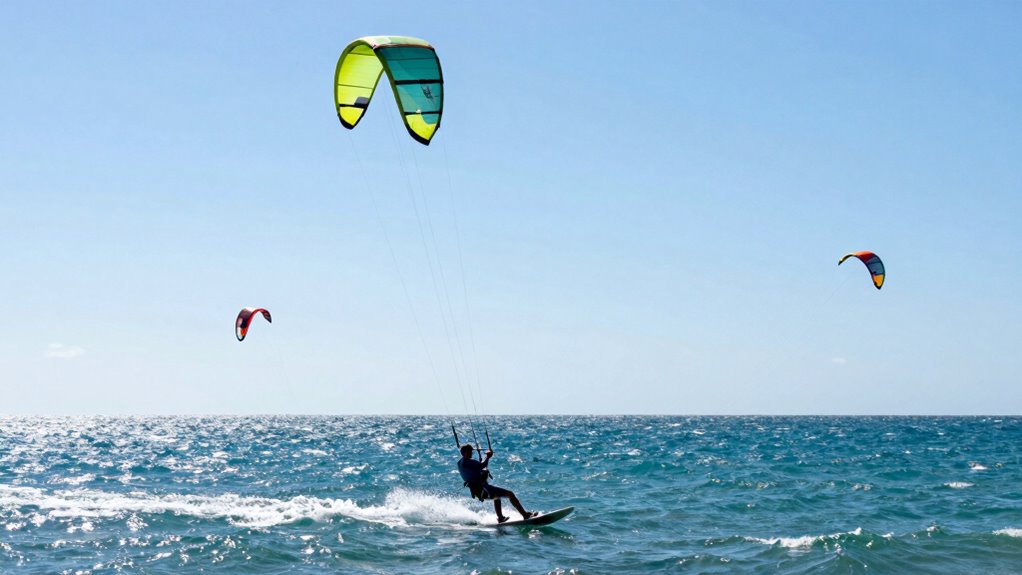
Riding outside the wind window is a common mistake that can lead to a loss of control and safety issues. When you disregard the wind’s range, you risk sudden power surges or stalls. This often happens if you neglect equipment maintenance, like checking lines and knots, or fail to use accurate weather forecasting. Always assess the wind direction and strength before riding.
| Mistake | Consequence | Tip |
|---|---|---|
| Riding too far outside the window | Loss of control | Use weather forecasts to plan your session |
| Ignoring equipment checks | Equipment failure | Regularly inspect gear before riding |
| Not adjusting for wind shifts | Unpredictable moves | Stay alert and adapt quickly |
Staying within the wind window ensures safer, more enjoyable rides.
How Can You Use the Wind Window to Improve Your Control?
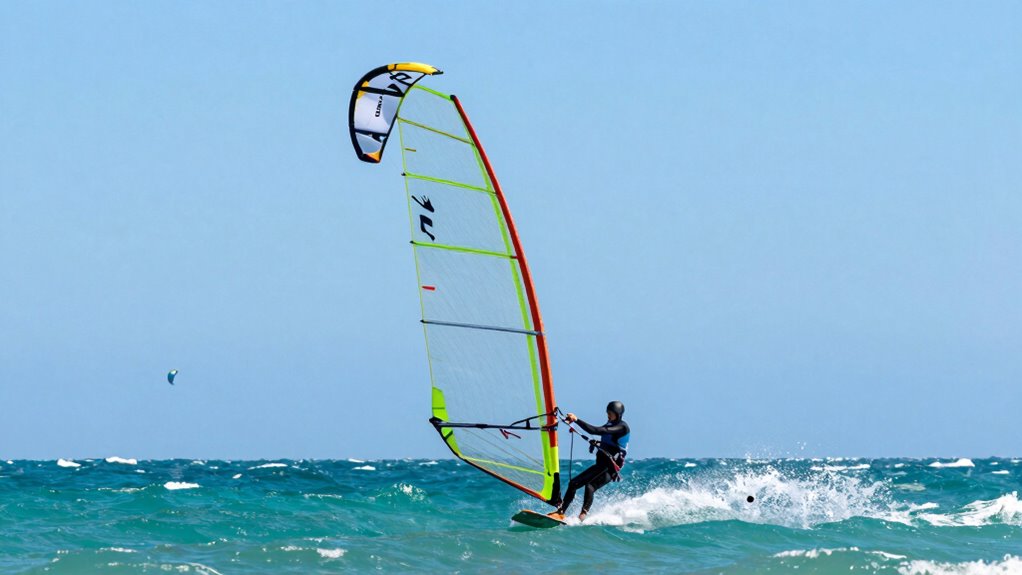
Have you ever noticed how your control improves when you stay within the ideal wind range? Staying within the best part of the wind window helps maintain kite stability and ensures wind consistency. This means fewer sudden pulls and better responsiveness. To improve your control, focus on these tips:
- Keep your kite within the center of the window to maximize stability
- Monitor wind conditions regularly to avoid gusts or lulls
- Use proper trimming to match your skill level and wind strength
- Practice consistent, smooth inputs instead of abrupt movements
How Do Wind Speed Changes Affect the Wind Window?
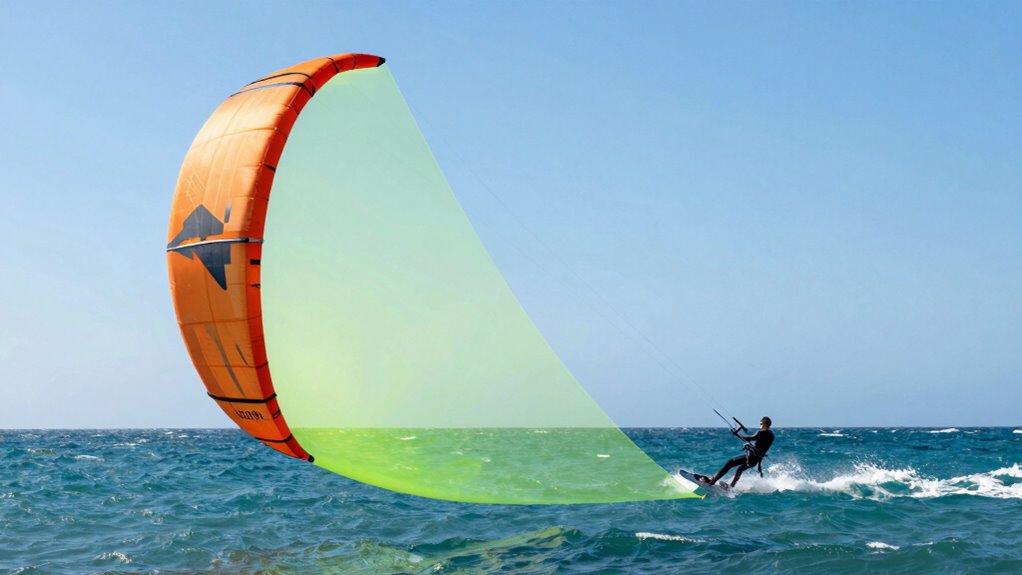
When wind speed changes, it directly impacts the size and shape of the wind window. Higher wind speeds expand the wind window, giving you a larger area to kite within safely. Conversely, when wind speeds drop, the window shrinks, limiting your options for control and movement. Gusts, or sudden increases in wind speed, can cause the wind window to momentarily widen, making your kite surge unpredictably. This can be challenging if you’re not prepared, so it’s important to stay alert to changes. As wind speed fluctuates, you’ll notice the kite reacting differently, requiring quick adjustments to maintain stability. Understanding how wind speed and gusts influence the wind window helps you better anticipate kite behavior and stay safe while kiteboarding.
Frequently Asked Questions
How Does Oblique Wind Affect the Kite’s Performance?
Oblique wind can challenge your kite’s stability because it hits from an angle, not straight on. This causes the kite to pull unevenly, making it harder to control and potentially reducing performance. You’ll notice more sideways drift and difficulty maintaining a steady line. To handle this, you need to adjust your steering and body position, helping your kite stay stable and perform smoothly despite the oblique wind.
Can the Wind Window Be Different for Various Kite Sizes?
Yes, the wind window varies with different kite sizes. Larger kites catch more wind and perform better in stronger wind conditions, but they’re less forgiving in lighter winds. Smaller kites work well in light wind but struggle in stronger gusts. You’ll notice wind variation impacts how each kite size feels and performs, so choosing the right kite size helps you adapt to changing wind conditions and maximize your kiteboarding experience.
What Safety Precautions Should I Take Near Wind Window Boundaries?
You should always stay aware of the wind window boundaries to guarantee kite safety. Keep a safe distance from these edges, as sudden shifts can cause the kite to lurch unexpectedly. Practice boundary awareness, especially in changing conditions, and avoid launching or flying near obstacles or crowded areas. Wearing a safety leash and checking your equipment regularly also helps prevent accidents. Always stay alert and respect the wind window limits for a safe kiteboarding experience.
How Does Terrain Influence the Wind Window Shape?
Ever wondered how terrain effects change your wind window shape? You’ll find that hills, trees, or buildings can channel or block wind flow, making the wind window uneven or unpredictable. This means your kite might pull harder or weaker in certain directions. Always check the terrain before launching, and stay alert to shifting wind patterns caused by terrain effects. Adapting to these changes keeps you safe and in control while kiteboarding.
Is There a Way to Predict Changes in the Wind Window During the Day?
Yes, you can predict changes in the wind window during the day by monitoring weather patterns and using forecast tools. Check local weather reports and wind forecasts regularly, especially as the day progresses. Pay attention to changes in temperature, pressure, and cloud cover, which influence wind. Many apps and websites offer real-time updates, helping you anticipate shifts and plan your kiteboarding sessions for ideal wind conditions.
Conclusion
Understanding the kiteboarding wind window unblocks your full potential on the water. Think of it as a glowing, invisible dome where your kite dances best—staying inside keeps control smooth and safe. When you master reading its shape and boundaries, you’ll feel like the wind itself is guiding you, not fighting against you. Embrace the wind’s shifts, and you’ll ride confidently, turning nature’s power into your own soaring adventure.
Halloween Picks
halloween
As an affiliate, we earn on qualifying purchases.