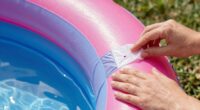
To spot UV damage on inflatables before a blowout, look for fading colors, cracks, or surface discoloration. Feel the material for roughness or brittleness and check for peeling or weak spots. Regularly inspect seams and edges for fraying or small splits. Early signs can be subtle, so staying vigilant helps prevent sudden failure. If you want to learn how to protect and maintain your inflatables effectively, keep exploring these helpful tips.

Get pool and patio gear delivered free with Prime
- Fast, free delivery on millions of items
- Prime Video, Amazon Music and more included
- Member-only deals all year
Key Takeaways
- Look for visible signs like fading, discoloration, cracks, splits, or fissures on the inflatable’s surface.
- Feel the material for roughness, brittleness, or soft spots indicating weakening due to UV exposure.
- Regularly inspect seams, edges, and surface areas for fraying, peeling, or early signs of damage.
- Use a flashlight to identify subtle UV damage or thinning spots not visible to the naked eye.
- Maintain an inspection log to monitor changes over time and address damage before it causes a blowout.
As an affiliate, we earn on qualifying purchases.
What Causes UV Damage in Inflatables and Why It Matters
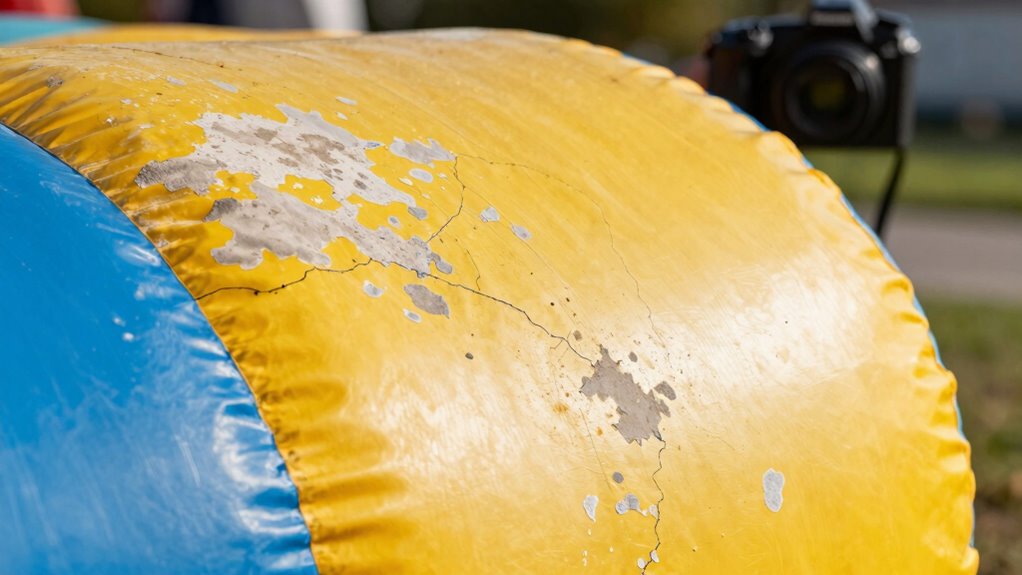
UV damage in inflatables occurs mainly because sunlight exposes the materials to ultraviolet rays, which break down the fabric and plastic over time. This process, known as UV degradation, causes the material to weaken and lose its integrity. As UV rays penetrate the surface, they trigger chemical reactions that deteriorate the fibers and plastics, making the inflatable more susceptible to tears and leaks. Over time, this material deterioration reduces the inflatable’s durability and safety, increasing the risk of sudden failure. Recognizing how UV damage happens helps you understand why regular inspections and protective measures are essential. Without proper care, the prolonged exposure to sunlight accelerates the breakdown, ultimately compromising the inflatable’s lifespan and performance.
How UV Rays Weaken Inflatable Materials Over Time

When your inflatable spends too much time in the sun, UV rays break down its material. This causes the fabric to weaken and become more prone to tears and leaks. Over time, the constant exposure accelerates material fatigue, shortening its lifespan.
Sun Exposure Causes Degradation
Prolonged sun exposure exposes inflatable materials to harmful ultraviolet rays that gradually weaken their structure. Over time, UV rays break down the chemical bonds in the material, reducing its overall durability. Without proper sun protection, the material becomes brittle, cracks, and develops weak spots, increasing the risk of a blowout. Regularly applying UV-resistant coatings or coverings can help preserve the material’s integrity. Keep in mind that even brief periods of intense sun can accelerate degradation if the inflatable isn’t protected. Ensuring your inflatable is shade-covered or stored indoors when not in use is essential for maintaining its material durability. By taking these precautions, you can extend the lifespan of your inflatables and prevent costly damages caused by sun-related deterioration.
Material Fatigue Accelerated
As ultraviolet rays penetrate inflatable materials, they trigger a process called material fatigue, which gradually weakens the fabric’s structure. Over time, this accelerated fatigue causes surface deterioration, making the material more prone to tears and punctures. UV exposure breaks down the chemical bonds within the fabric, reducing its elasticity and tensile strength. As surface layers weaken, tiny cracks develop, further compromising durability. You might notice the material becoming brittle or losing its original shape. This ongoing process accelerates wear and tear, increasing the risk of blowouts during use. Recognizing signs of material fatigue early can save you from costly repairs or replacements. Regular inspections for surface deterioration are essential to ensure your inflatable remains safe and functional over time.
Signs Your Inflatable Is Suffering From UV Damage

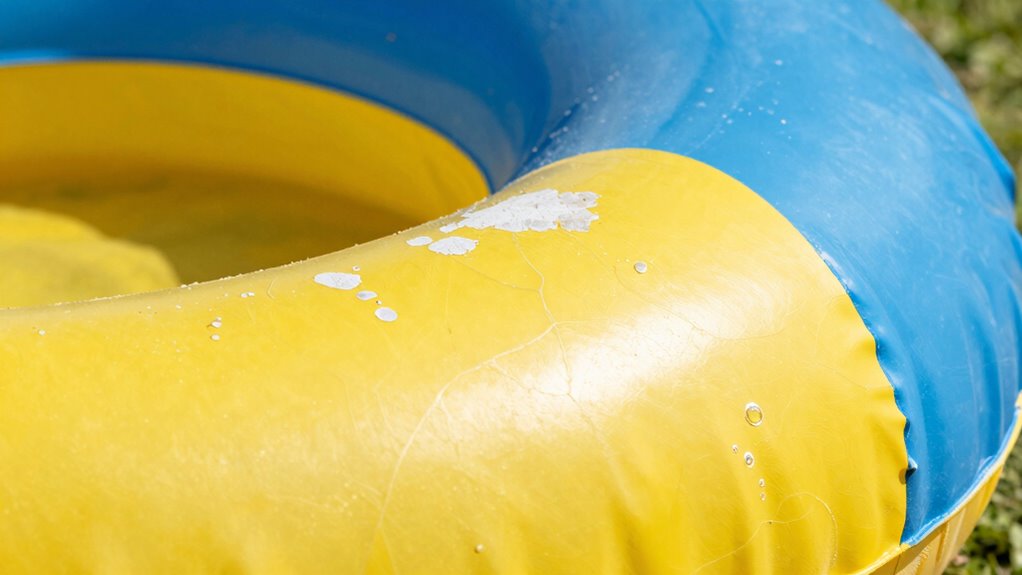
UV damage on inflatables often becomes evident through visible signs that indicate deterioration. You may notice areas where the material looks faded or discolored, which is a direct result of prolonged UV exposure breaking down the surface. Cracks or small splits might start to appear, signaling weakening of the material. The surface could feel rougher or more brittle than before, showing signs of material deterioration caused by UV rays. You might also see peeling or flaking, especially around seams or edges. These signs indicate your inflatable is suffering from UV damage, which compromises its integrity. Catching these early signs helps prevent further deterioration and reduces the risk of a blowout during use. Regular inspections are essential for maintaining your inflatable’s lifespan.
How to Spot Fading, Cracks, and Surface Discoloration

Fading, cracks, and surface discoloration are clear signs that your inflatable is suffering from UV damage. You’ll notice color fading where the original vibrant hues become dull or washed out. Surface cracks may start small but can quickly expand, weakening the material and increasing the risk of a blowout. Look closely at the surface for tiny fissures or peeling areas, especially in high-exposure spots like edges and seams. Discoloration can also appear as uneven patches or staining, indicating the protective coating is breaking down. These signs mean the material’s integrity is compromised, and you should address them promptly. Regularly inspecting for fading, cracks, and discoloration helps you catch UV damage early and prevent further deterioration.
Inspecting Your Inflatables Before and After Sun Exposure
Regularly inspecting your inflatables before and after sun exposure helps catch early signs of UV damage. Check for fading, surface discoloration, or cracks, which indicate compromised material integrity. Conduct material testing by gently pressing on areas to detect soft spots or thinning spots, signaling weakening UV protection. Use a flashlight to examine seams and edges closely, as UV damage often starts there. Keep a detailed log of your inspections to monitor any changes over time. This proactive approach guarantees you identify issues before a blowout occurs. Remember, early detection through regular inspection safeguards your inflatable’s lifespan and safety, especially after prolonged sun exposure. Staying vigilant helps maintain the durability of your inflatables against UV damage.
| Inspection Step | What to Look For |
|---|---|
| Visual Check | Fading, cracks, discoloration |
| Material Testing | Soft spots, thinning areas |
| Seam Inspection | Fraying, separation, UV damage |
Simple Tips to Prevent UV Damage and Keep Your Inflatables Safe

To protect your inflatables from UV damage, consider applying UV-resistant coatings that act as a shield. When you’re not using them, store your inflatables in a cool, shaded area to minimize sun exposure. These simple steps help extend the life of your inflatables and keep them looking their best.
Use UV-Resistant Coatings
Applying UV-resistant coatings is one of the most effective ways to protect your inflatables from sun damage. A quality UV coating creates a barrier that enhances material protection, preventing cracking, fading, and deterioration caused by UV rays. To maximize benefits, choose a coating suited for your inflatable’s material and apply it evenly. Regularly inspect the coating for wear and reapply as needed. This simple step prolongs your inflatable’s lifespan and maintains its appearance. Keep in mind these key points:
- Use a UV coating compatible with your inflatable’s material
- Apply consistently for even protection
- Reapply periodically to maintain effectiveness
- Store the inflatable in shaded areas when not in use
This proactive approach helps you avoid costly repairs and ensures your inflatables stay safe and durable longer.
Store Properly When Not In Use
Since UV rays can cause ongoing damage even when your inflatables aren’t in use, storing them properly is essential for protecting their durability and appearance. Proper storage reduces UV exposure and prevents premature wear. When not in use, keep inflatables in a cool, dry place away from direct sunlight. Fold or roll them carefully to avoid unnecessary stress on seams and material. Use UV protection covers or bags for added defense. Here’s a quick guide:
| Storage Tip | Benefit |
|---|---|
| Store indoors | Shields from UV rays and weather |
| Use UV-resistant covers | Adds extra UV protection |
| Avoid direct sunlight | Prevents fading and material degradation |
What to Do If You Find UV Damage to Avoid Blowouts
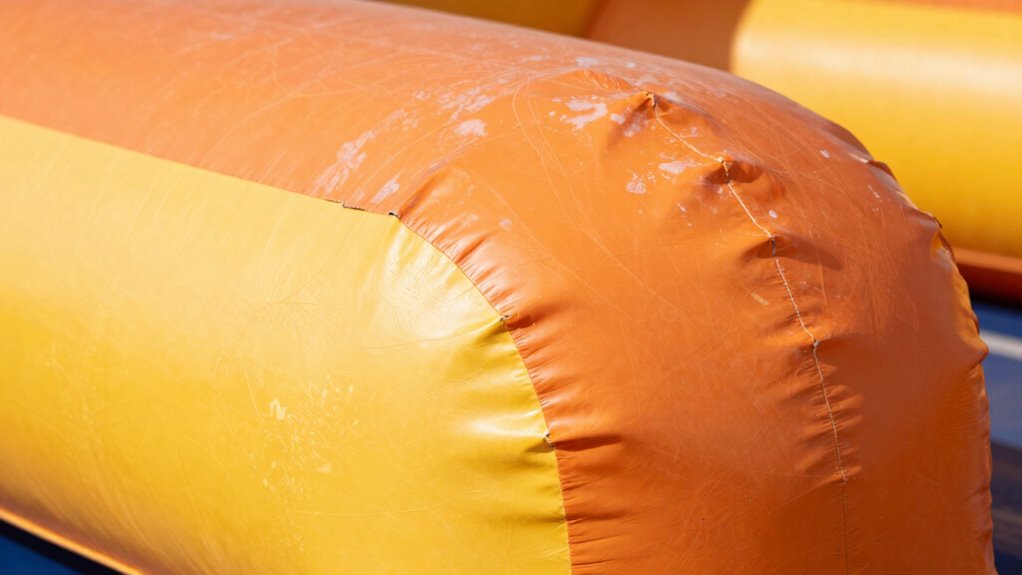
If you notice UV damage on your inflatable, acting quickly can prevent a blowout. Start by inspecting the affected area for cracks or thinning spots. To restore material durability, apply a UV-protective sealant designed for inflatables. This creates a barrier against further sun damage and reinforces weakened fabric. Additionally, consider reducing exposure to direct sunlight by moving the inflatable to shaded areas when not in use. Regular maintenance, including cleaning and reapplying UV protection, helps prolong its lifespan. Keep in mind these key points:
- Use UV-resistant coatings to shield vulnerable spots
- Avoid leaving the inflatable in direct sunlight for extended periods
- Regularly check for signs of wear and tear
- Store the inflatable properly when not in use
Taking these steps preserves your inflatable’s integrity and reduces blowout risks.
Final Tips for Extending the Life of Your Inflatable
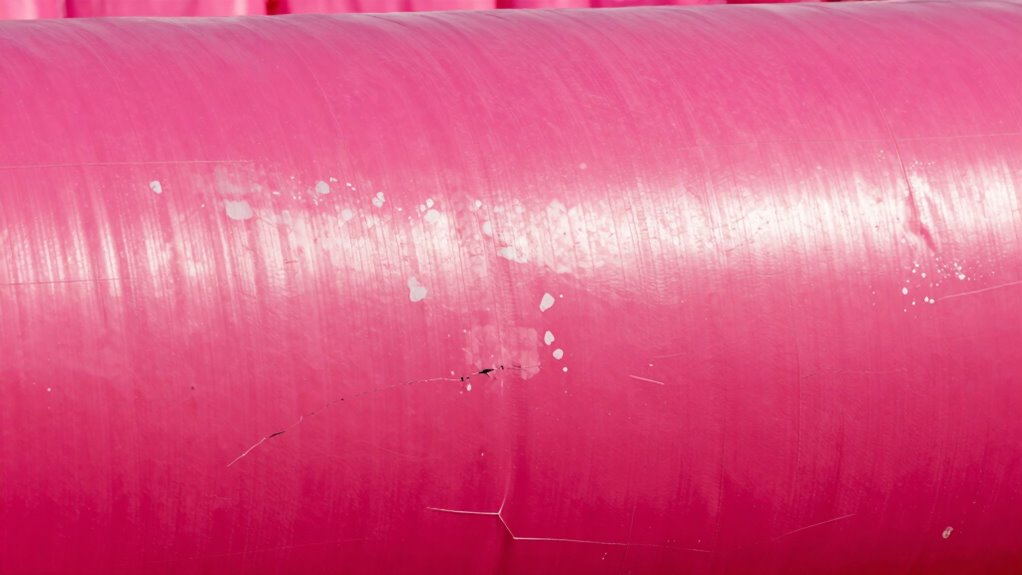
Maintaining your inflatable properly can considerably extend its lifespan and guarantee it stays safe and functional for years to come. To do this, prioritize UV protection by storing the inflatable in a shaded area when not in use, reducing exposure to harmful sunlight. Regularly inspect the material for signs of wear or UV damage, addressing issues early to preserve material longevity. Use protective covers or UV-resistant sprays designed for inflatables, which can add an extra layer of defense against sun damage. Always follow manufacturer guidelines for cleaning and storage, avoiding harsh chemicals that may weaken the material. By taking these simple steps, you ensure your inflatable remains durable, safe, and effective, maximizing your investment and enjoyment over time.
Frequently Asked Questions
Can UV Damage Be Reversed or Repaired on Inflatables?
UV damage on inflatables can’t be fully reversed, but you can repair it with proper techniques. Over time, UV exposure causes material degradation, weakening the fabric. To fix minor damage, use repair patches designed for inflatables and follow recommended repair techniques. For extensive UV damage, consider replacing the affected sections or the entire inflatable to ensure safety and durability. Regular maintenance helps prevent further deterioration.
How Often Should I Inspect Inflatables for Uv-Related Issues?
Imagine a rental company inspecting inflatables after every weekend. You should perform an inspection schedule that includes a UV check frequency of at least once a month, especially during peak sunlight months. Regularly examining for cracks, fading, or brittleness helps catch UV damage early. If you notice any signs, address them immediately to prevent blowouts. Consistent inspections guarantee your inflatables stay safe and durable over time.
Are Certain Inflatable Materials More Resistant to UV Damage?
Some inflatable materials are more resistant to UV damage due to better material durability and UV resistance testing. You’ll find that high-quality vinyl and coated fabrics often have enhanced UV resistance, helping them withstand sun exposure longer. When choosing inflatables, look for those with proven UV resistance ratings, and regularly inspect for signs of wear. This proactive approach helps prevent damage and extends the lifespan of your inflatables.
Does Temperature Affect the Rate of UV Deterioration?
Imagine the sun’s relentless rays pounding down on your inflatable, warming it like a heated blanket. Temperature accelerates UV deterioration, speeding up material degradation. When exposed to high heat, UV rays break down fibers faster, causing brittleness and cracks. So, the hotter the environment, the quicker your inflatable’s surface weakens, making it essential to shield it from intense sun exposure and keep temperatures moderate to prolong its lifespan.
Can UV Protectants Be Applied to Extend Inflatable Lifespan?
Yes, applying UV protectants can extend your inflatable’s lifespan. UV protection acts as a shield, reducing sun damage and preventing deterioration during outdoor inflatable maintenance. Regularly applying a suitable UV protectant helps preserve the material, keeping it flexible and durable longer. Make sure to follow the product instructions carefully and reapply as recommended, especially after cleaning or prolonged sun exposure, to maximize your inflatable’s longevity.
Conclusion
By regularly inspecting your inflatables for UV damage, you can catch issues before they turn into a disaster. Don’t let hidden cracks and fading sneak up on you—these tiny signs can lead to a blowout faster than you can say “deflation disaster.” Take simple preventative steps, protect your investment, and enjoy endless fun without the nightmare of sudden failures. Stay vigilant and keep your inflatables looking and performing their best—your summer depends on it!
Halloween Picks
halloween
As an affiliate, we earn on qualifying purchases.