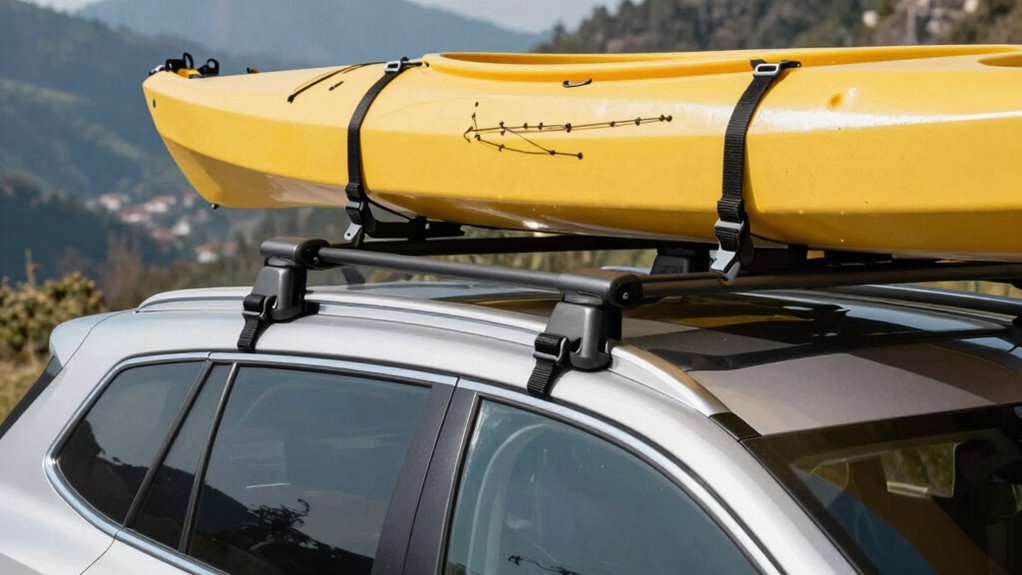
To fit your kayak securely, start by choosing crossbars that support your vehicle’s weight and match the kayak’s size. Install saddles that support the hull evenly and place them at the correct height and width. Use straps at about 45-degree angles to stabilize the kayak without over-tightening. Keep everything centered and check straps regularly during your trip. For more tips on ensuring a safe and snug fit, continue exploring the details ahead.
Key Takeaways
- Measure your vehicle’s roof width and clearance to select compatible crossbars and prevent overhang.
- Choose crossbars with sufficient weight capacity and proper length to support your kayak safely.
- Position saddles evenly along the hull, ensuring they support the kayak’s shape and prevent shifting during transit.
- Use strap angles around 45 degrees to stabilize the kayak and reduce wind resistance while securing it to crossbars.
- Regularly inspect and tighten straps, bolts, and saddle placements to ensure a secure, safe kayak transport.

PIRIPARA Kayak Roof Rack 2 Pairs J-Bar Carrier Holder for Canoe, SUV, Cars, Truck, Surf Ski, Car Top Mount Racks for Trip, Set of 4
Durability & Strong Support: PIRIPARA Kayak roof rack are made of sturdy and high quality alloy steel. Come…
As an affiliate, we earn on qualifying purchases.
As an affiliate, we earn on qualifying purchases.
Roof Rack Basics for Safe Kayak Transport
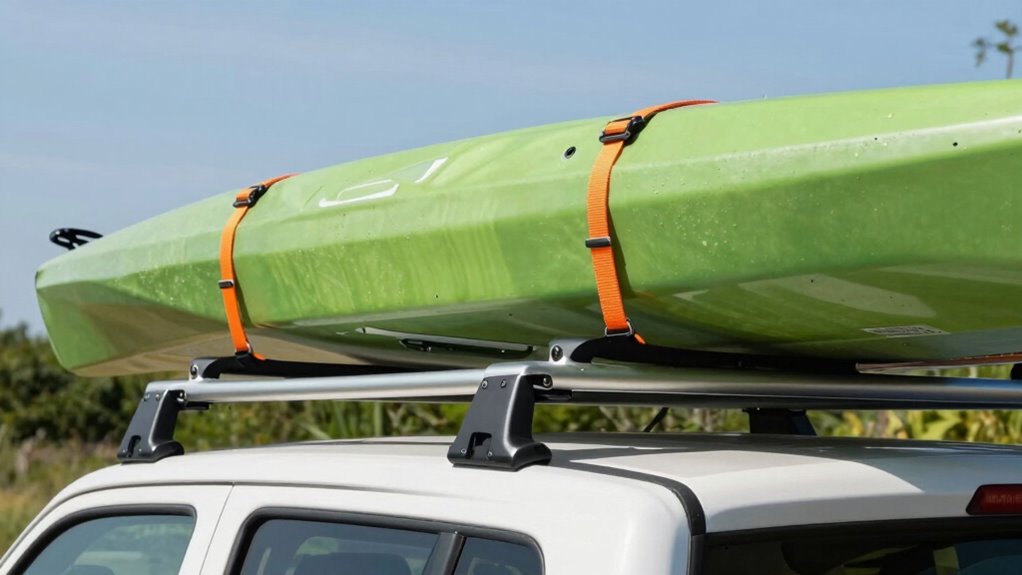
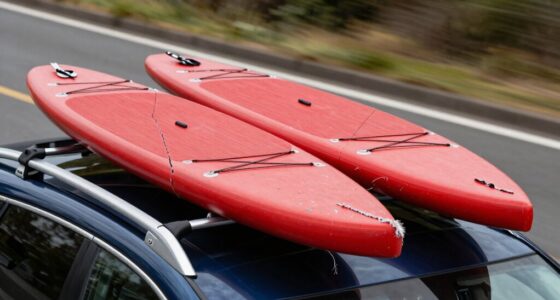
Transporting your kayak safely begins with understanding the fundamentals of roof racks. Properly securing your kayak guarantees it stays put during transit, preventing accidents and damage. When loading your kayak, keep the kayak paddle close to the craft or inside, so it doesn’t shift or cause imbalance. Pay attention to roof rack aerodynamics; a sleek, streamlined setup diminishes wind resistance and noise while improving fuel efficiency. Make sure the kayak is centered on the crossbars and firmly strapped down, with straps tight but not overly constrictive. Check that the kayak’s hull is stable and doesn’t wobble. Properly configured roof racks not only enhance safety but also help maintain your vehicle’s fuel economy by reducing drag. Mastering these basics sets a strong foundation for safe, hassle-free kayak transport.
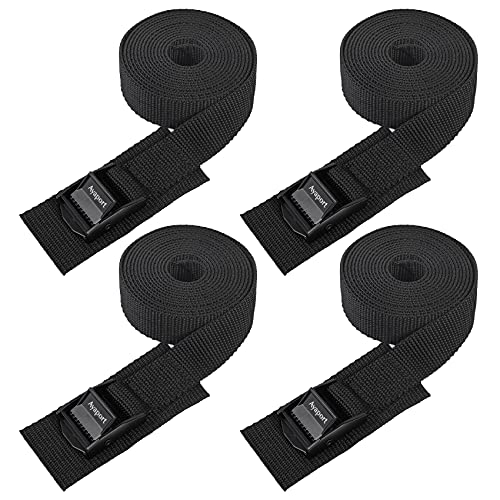
Ayaport Lashing Straps Car Roof Rack Straps Cam Buckle Tie Down Strap for Kayak, SUP, Canoe, Surfboard Packing Black 4 Pack
LIGHTWEIGHT BUT STURDY. Made from unique cam buckles and strong brine yarn webbing, these lashing tie down straps…
As an affiliate, we earn on qualifying purchases.
As an affiliate, we earn on qualifying purchases.
Choosing the Right Crossbars for Your Vehicle and Kayak
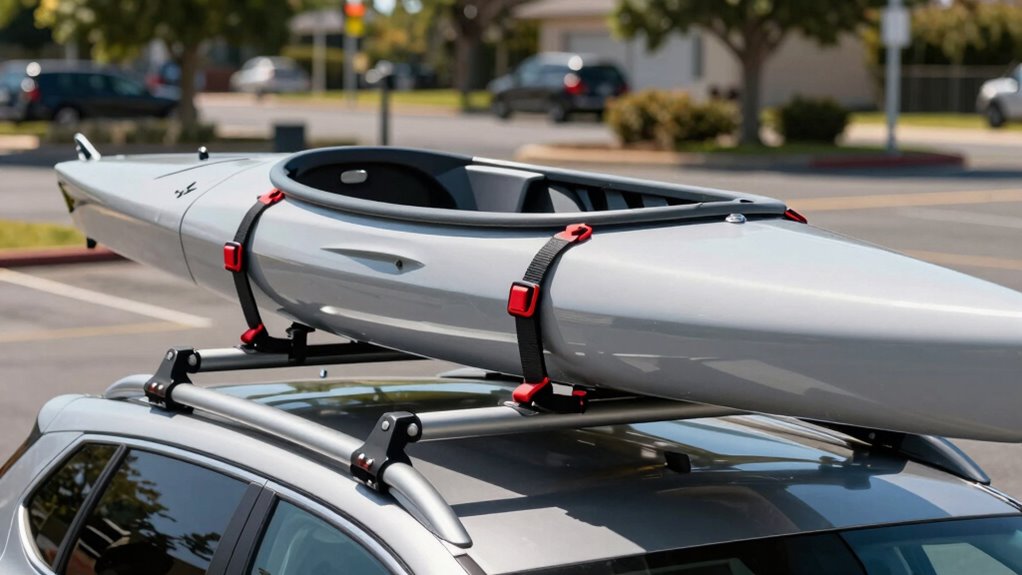
To choose the right crossbars, you need to take into account your vehicle’s compatibility and the size of your kayak. Make sure the crossbars can support your kayak’s weight and fit securely on your roof. Paying attention to these points ensures safe and efficient transport.
Vehicle Compatibility Tips
Choosing the right crossbars is essential to guarantee your kayak stays secure and stable during transport. First, consider your vehicle’s roof rack aesthetics to ensure the crossbars fit seamlessly with your vehicle’s look. Compatibility is key, so check your vehicle’s specifications for weight limits and mounting options. Exceeding these limits can compromise safety and damage your car or rack. Measure your roof’s width and clearance to ensure the crossbars will fit properly without overhanging or interfering with other features. Some vehicles have factory-installed racks, while others require aftermarket options. Always verify that the crossbars you select are compatible with your vehicle’s make and model, and adhere to weight restrictions to prevent accidents or damage while on the road.
Kayak Size Considerations
Selecting the right crossbars depends heavily on the size of your kayak and your vehicle’s roof. First, consider your kayak’s weight to ensure your crossbars can support it safely. Heavier kayaks require sturdy, reinforced bars to prevent sagging or damage. Next, evaluate your vehicle’s storage space—longer kayaks need longer crossbars for proper support and stability during transport. If your kayak is wide, check that the crossbars can accommodate its width without overhanging. Properly matching kayak size to crossbars helps maintain balance and prevents accidents. Additionally, consider the number of kayaks you plan to carry; larger or multiple kayaks demand more robust and wider crossbar setups. Prioritizing these factors guarantees safe, efficient transport tailored to your kayak’s size and your vehicle’s capacity.

Onefeng Sports 135LB Kayak Saddle, Aluminum Rustless Kayak Roof Rack with 1.5" Width Tie Down Straps for Carrier Canoe Boat Paddle Board Surfboard, to Mount on Car SUV Truck Crossbar
★【RUSTLES & DUEABLE MATERIALS】Kayak bracket is black and made of aluminum frame with rubber pads to prevent scratches…
As an affiliate, we earn on qualifying purchases.
As an affiliate, we earn on qualifying purchases.
Selecting and Installing Kayak Saddles for a Secure Fit
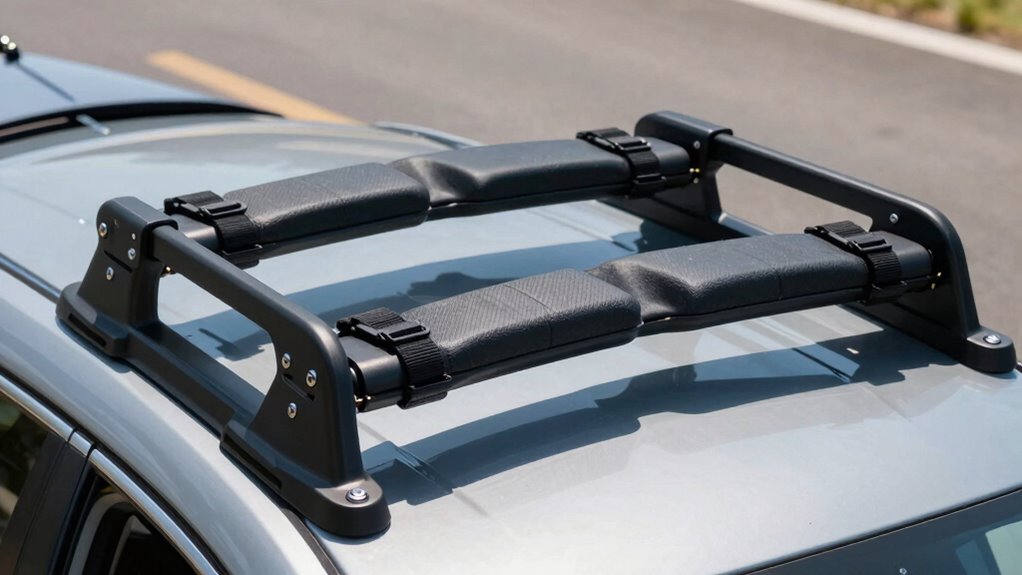
To guarantee your kayak stays secure, start by paying attention to saddle placement techniques that evenly distribute weight. Choose material and padding that protect your kayak’s hull while providing a snug fit. Finally, secure the setup with straps, making sure they’re tight and properly threaded for maximum stability.
Saddle Placement Techniques
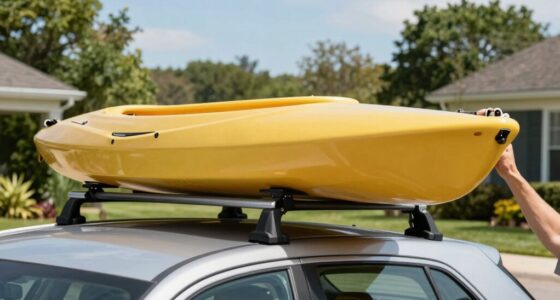
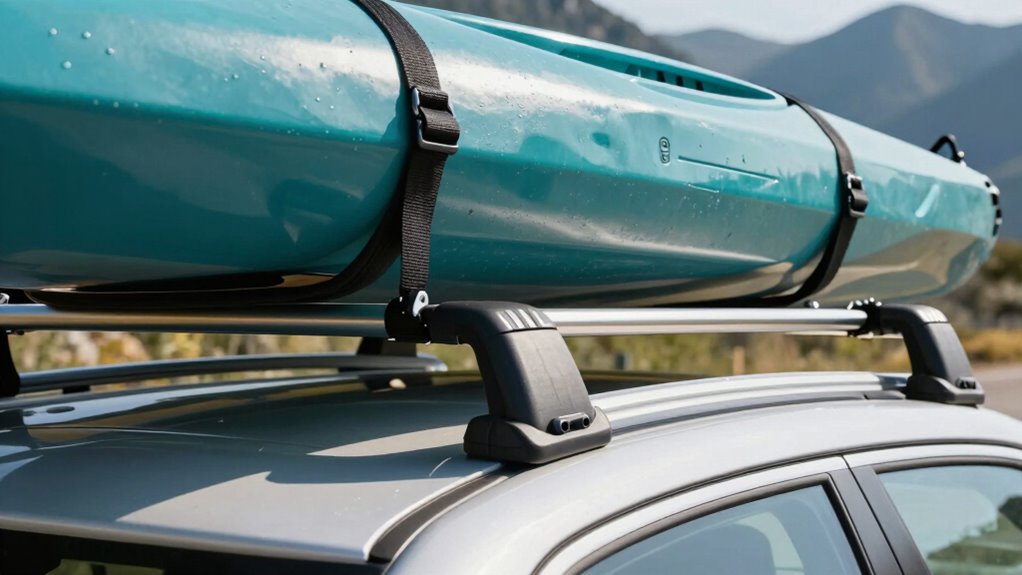
Proper saddle placement is crucial to securing your kayak and ensuring safe transportation. You want the saddles positioned so they support the hull evenly, preventing shifting during transit. Place the saddles at the correct height and width to match your kayak’s shape, ensuring it sits snugly without over-tightening. When installing, consider strap angles; straps should run at an angle that pulls the kayak downward and inward, stabilizing it side-to-side. Typically, this means attaching straps from the front and rear of the kayak to the crossbars at about 45 degrees. Consistent saddle placement and proper strap angles distribute the load evenly, minimizing movement and reducing the risk of damage. Take the time to double-check these positions before hitting the road for a secure, worry-free trip.
Material and Padding Choices
Choosing the right materials and padding for your kayak saddles guarantees a secure and damage-free fit during transport. Material durability ensures your saddles withstand weather and wear, while padding comfort protects your kayak’s hull from scratches and dents. Opt for high-density foam or rubber padding for a balance of cushioning and support. Durable materials like aluminum or heavy-duty plastic resist corrosion and cracking. Here’s a quick comparison:
| Material | Durability | Padding Comfort |
|---|---|---|
| High-density foam | Moderate | Excellent |
| Rubber padding | Good | Very comfortable |
| Plastic saddle | Fair | Basic |
| Metal frame | Very durable | Depends on padding |
Choose wisely to keep your kayak secure, protected, and ready for your next adventure.
Securing With Straps
Securing your kayak with straps is essential for safe transport, ensuring it stays firmly in place during your trip. Proper strap tension is key; too loose, and the kayak could shift or fall, too tight, and you risk damaging your gear or vehicle. Use effective tie down methods by crossing straps over the kayak’s hull and securing them to your roof rack’s crossbars. Focus on evenly distributing tension to keep the kayak stable without warping or stressing the material. Tighten straps gradually and check them frequently during your drive. Consider using padding or foam blocks to prevent abrasion. Consistent, firm strap tension combined with reliable tie down methods guarantees your kayak remains secure, giving you peace of mind on the road.

VEVOR Roof Rack Cross Bars, Universal Fit for Naked Roofs Without Raised Rails/Flush Rail/Black Moldings, 165 LBS Capacity, Lockable Heavy Duty Aluminum Crossbar Racks Roof Rail Rooftop Luggage Canoe
Vehicle Fitment: This cross bars roof rack fits most vehicles with a bare roof. Compatible inner rain gutter…
As an affiliate, we earn on qualifying purchases.
As an affiliate, we earn on qualifying purchases.
How to Find the Best Strap Angles for Stability

Finding the right strap angles is essential for keeping your kayak stable during transport. Proper strap angle refinement ensures your kayak remains secure and minimizes movement. Aim for straps to form a 45-degree angle from the roof to the kayak, creating a V-shape that evenly distributes tension. This angle helps prevent slipping or shifting during transit. Use tension adjustment techniques to tighten straps firmly without over-tightening, which could damage the kayak or rack. Check each strap’s angle and tension regularly, especially after long drives or rough roads. Adjust straps as needed to maintain consistent pressure. By focusing on ideal strap angles and proper tension, you enhance stability and reduce the risk of accidents on the road.
Common Roof Rack Configurations for Kayak Transportation
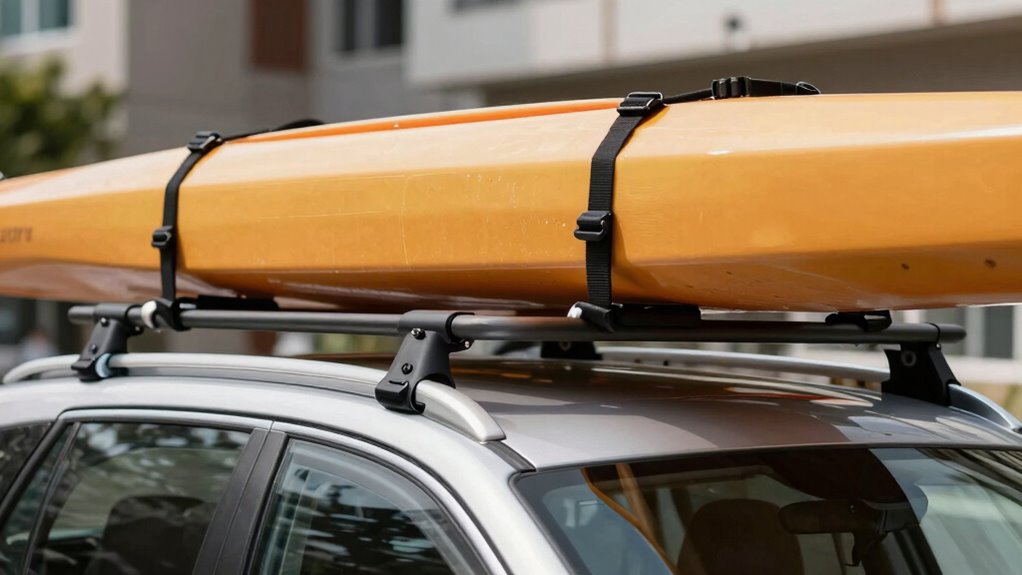
There are several common roof rack configurations that work well for transporting kayaks, each designed to maximize stability and ease of loading. The most popular setup involves a crossbar system with kayak-specific saddles, which provide secure support and help prevent kayak theft. You might also use foam blocks if you prefer a simple, cost-effective option, but they may lack long-term roof rack security. For added kayak theft prevention, lockable straps and anti-theft devices can be integrated into your configuration, deterring potential thieves. Ensuring your kayak is tightly secured using proper strap angles and mounting techniques is essential for stability. These configurations are versatile, accommodating different vehicle types and kayak sizes, making your transportation safer and more reliable.
Troubleshooting Fit Issues and Ensuring Your Kayak Is Secure

Ensuring your kayak fits securely on your roof rack often requires troubleshooting common issues and making adjustments as needed. Poor load distribution can cause instability, while incorrect strap angles increase wind resistance and risk of shifting. To troubleshoot, check that your kayak is centered and evenly supported across crossbars. Tighten straps properly, avoiding over-tightening that damages the kayak or rack. Ensure saddle placement supports the hull correctly. Use this quick reference:
| Issue | Solution | Tip |
|---|---|---|
| Uneven load distribution | Adjust kayak position for balance | Keep weight centered |
| Excessive wind resistance | Change strap angles to streamline profile | Use low-profile straps |
| Kayak shifting during travel | Tighten straps and add additional tie-downs | Check straps before driving |
| Instability or wobbling | Use foam blocks or padding for support | Secure load at multiple points |
Maintaining Your Roof Rack System Over Time
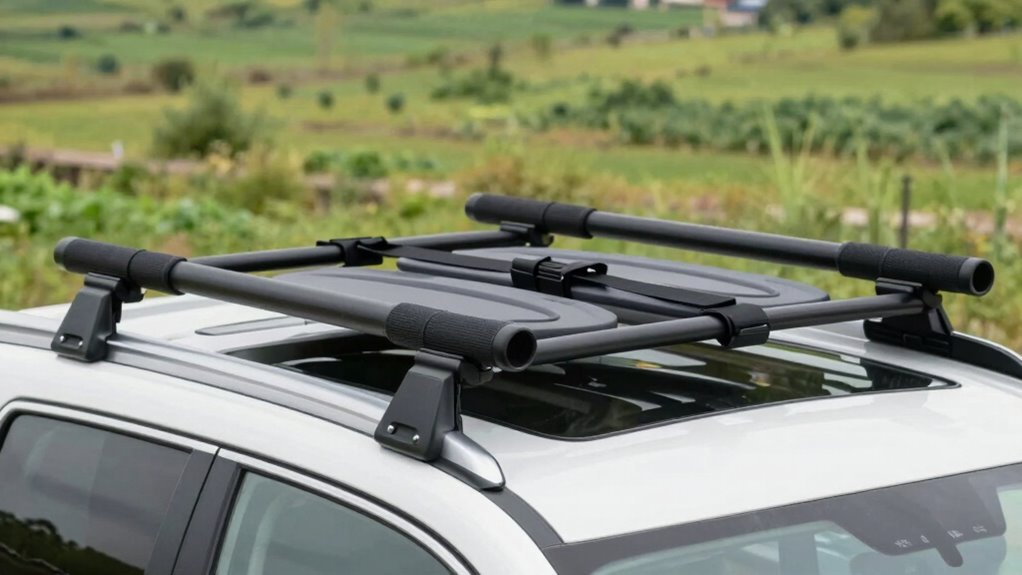
Regular maintenance of your roof rack system keeps it secure and in top condition, preventing issues that could compromise your kayak’s safety. Consistently check for signs of wear, such as rust, cracks, or loose bolts, and tighten or replace parts as needed. Clean the rack system regularly to remove dirt, debris, and salt that can cause corrosion and weaken components. Lubricate moving parts to ensure smooth operation and prevent rust buildup. By performing roof rack maintenance, you extend the rack system’s longevity and maintain its ability to securely hold your kayak. Taking these simple steps helps ensure your gear stays safe on the road and reduces the risk of sudden failures during transit. Proper upkeep is key to dependable, long-term use.
What to Consider When Upgrading or Replacing Your Roof Rack
When upgrading or replacing your roof rack, it’s essential to contemplate compatibility with your vehicle and existing gear. Think about the weight capacity, especially if you’re adding solar panels or bike racks, which can considerably impact load limits. Consider how your new rack integrates with current accessories and whether it supports future upgrades. Compatibility with crossbars, saddles, and strap angles is vital for secure transport. Also, evaluate ease of installation and removal to suit your lifestyle. For example, some racks better accommodate solar panels, while others excel with multiple bike racks. Use the table below to compare key features:
| Feature | Compatibility | Load Capacity | Ease of Use |
|---|---|---|---|
| Solar Panels | High | 150 lbs+ | Moderate |
| Bike Racks | Moderate | 100 lbs | Easy |
| Crossbar Style | Varies | 200 lbs+ | Easy |
| Saddle Types | Wide Range | 100 lbs | Moderate |
| Strap Angles | Flexible | Varies | Easy |
Frequently Asked Questions
Can I Carry Multiple Kayaks on One Roof Rack?
Yes, you can carry multiple kayaks on one roof rack. To do so, you should use dual kayak storage options and multiple kayak carriers. These allow you to secure more than one kayak safely, ensuring stability during transit. Make sure your crossbars are sturdy enough to support the weight, and use straps at appropriate angles to prevent movement. With the right setup, transporting multiple kayaks is safe and straightforward.
Are There Weight Limits for Roof Rack Systems?
Think of your roof rack system as the backbone of your adventure—its weight limits keep it from buckling under the pressure. Yes, there are weight limits, carefully set by manufacturers based on material compatibility and rack installation standards. Pushing these boundaries jeopardizes damage or failure. Always check your rack’s specifications to ensure your kayak, gear, and vehicle stay safe and secure, so your journey remains smooth and worry-free.
How Do Weather Conditions Affect Kayak Transportation?
Weather impact can considerably affect your kayak transportation, so you should always check the forecast before hitting the road. Wind, rain, and snow can make driving more dangerous and increase the risk of losing your kayak. Strong winds can create instability, while rain can reduce visibility. To guarantee transportation safety, secure your kayak tightly, avoid travel in severe weather, and adjust your plans if conditions worsen.
Can I Install a Roof Rack Without Professional Help?
You can definitely install a roof rack without professional help if you’re comfortable with DIY tasks. Imagine attaching sturdy crossbars, adjusting saddles, and securing straps, all while feeling confident in your skills. Just follow clear instructions, double-check your work, and utilize the right tools. If you hit a snag or doubt your abilities, seeking professional assistance ensures your kayak stays safe and secure during every trip.
What Safety Precautions Should I Follow During Transport?
You should always wear safety gear like a helmet and gloves when securing your kayak, and double-check all straps and saddles before hitting the road. During transport, stay alert and drive cautiously, avoiding sudden stops or sharp turns. Keep emergency procedures in mind, such as knowing how to quickly loosen straps or remove the kayak if it becomes loose. Regularly inspect your setup to make sure everything stays secure and safe during your trip.
Conclusion
So, after all these tips, you’d think securing your kayak is a breeze, right? Ironically, the more you learn, the more ways there are to overlook something vital. But don’t worry—mistakes happen. Just remember, a little extra attention now can save your kayak from a tragic, splashy fate. So go ahead, master those crossbars and straps, and enjoy worry-free paddling—because nothing beats the thrill of a perfectly secured kayak… or so they say.