
Beach erosion impacts floating conditions by shifting sediments and altering underwater features like sandbars and shallow areas. As wave action breaks down shoreline sediments, hazards like submerged debris and unpredictable shallow zones develop, making navigation riskier. Erosion weakens natural barriers, increasing wave energy and storms’ effects on the coast. These changes can destabilize vessels and create dangerous floating obstacles. If you want to understand how these processes influence maritime safety and navigation, keep exploring further.
Key Takeaways
- Beach erosion redistributes sediments, creating underwater shallow zones and debris that pose hazards to floating vessels.
- Loss of shoreline stabilizing sediments increases wave energy impact, leading to unstable floating conditions offshore.
- Erosion exposes submerged debris fields, increasing the risk of collisions and navigating hazards for boats.
- Reduced sediment buffers diminish natural protection, allowing stronger waves to disturb floating platforms and vessels.
- Increased wave action from shoreline retreat heightens turbulence, negatively affecting vessel stability and safety at sea.
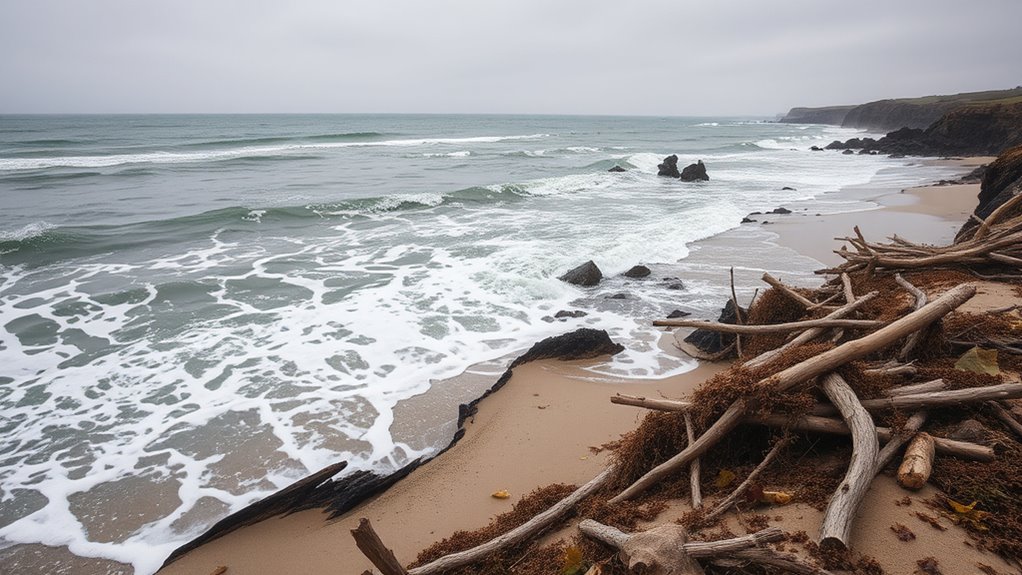
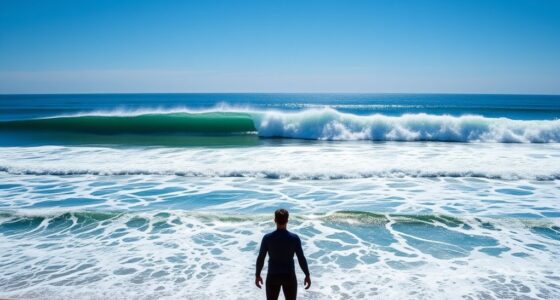
Beach erosion and floating conditions are closely linked issues that directly impact coastal safety and ecosystems. When you consider how erosion reshapes the shoreline, it’s clear that the changing landscape influences how floating vessels and aquatic activities unfold. One of the key factors in this process is wave impact, which plays a significant role in both erosion and sediment redistribution. Strong waves continuously batter the shoreline, breaking down the sand and other sediments that hold the coast together. Over time, this relentless wave action causes the shoreline to retreat, exposing new areas to erosion and altering the natural balance of sediment movement.
Wave impact drives shoreline erosion and sediment redistribution, reshaping coastlines and affecting floating conditions and safety.
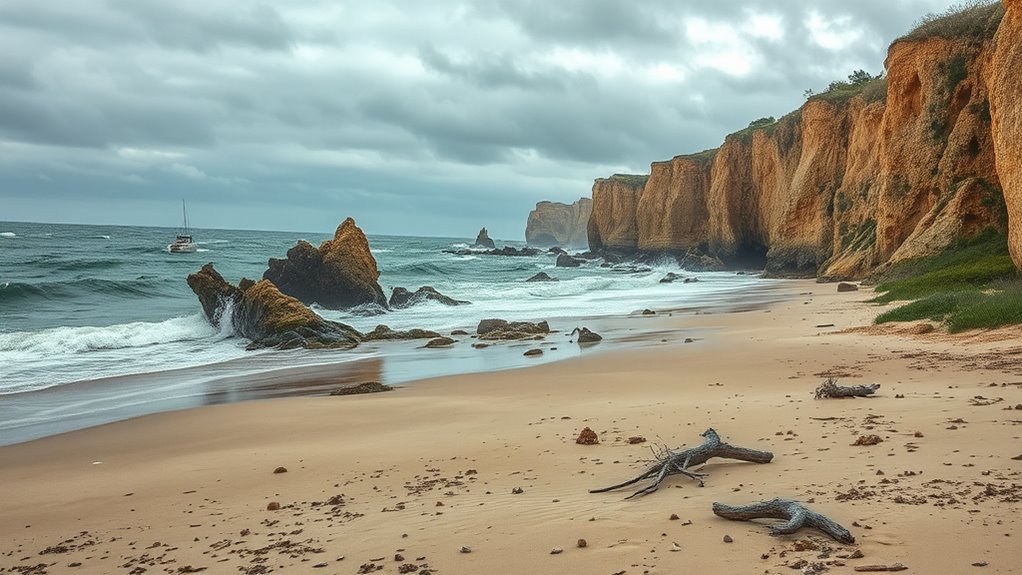
As erosion progresses, sediment redistribution becomes more pronounced. Sediments that once stabilized the coast are displaced by the force of the waves, often carried offshore or deposited in different locations. This ongoing sediment shifting can lead to the formation of underwater sandbars, shallow areas, and even submerged debris fields, all of which influence floating conditions. For boaters and watercraft operators, these changes mean that navigational hazards can develop suddenly and unpredictably. Shallow areas that were once deep enough for safe passage may become treacherous, increasing the risk of grounding or collision.
The removal of sediment from the shoreline also impacts wave dynamics. With less sediment to absorb wave energy, the coastline becomes more vulnerable to erosion. This, in turn, results in more intense wave impact during storms or high tides, further accelerating the erosion process. As the shoreline recedes, the wave impact on the remaining coastlines intensifies, creating a feedback loop that worsens floating conditions. Floating debris, including logs, plastics, and other waste, often gets redistributed by the changing wave patterns and currents, complicating navigation and safety.
You might notice that as erosion advances, the overall stability of the nearshore environment diminishes. This destabilization affects floating conditions by creating unpredictable currents and waves, making it difficult for vessels to maintain steady positions or navigate safely. The loss of natural barriers like sand dunes or barrier islands further exposes the coastline to storm surges and high waves, which can dramatically alter floating conditions and increase hazards for maritime activities.
Frequently Asked Questions
How Quickly Can Beach Erosion Change Floating Conditions?
Beach erosion can change floating conditions rapidly, sometimes within days or weeks, depending on sediment transport and wave dynamics. As waves move sediment away from the shoreline, the beach’s shape alters, affecting water depth and current patterns. You might notice floating conditions shifting quickly after storms or strong wave activity, as erosion exposes new areas or deepens channels. Staying aware of these dynamic processes helps you anticipate changing floating environments.
Do All Beaches Experience Erosion Equally?
Not all beaches experience erosion equally; in fact, some lose up to 2 meters of sand annually. Beach composition plays a key role—coarser sands resist erosion better than finer ones. Erosion patterns vary based on factors like wave energy, wind, and human activity. You’ll notice that exposed, less protected beaches tend to erode faster, while sheltered beaches maintain their structure longer, affecting floating conditions near shore.
Can Floating Devices Adapt to Changing Erosion Patterns?
Floating devices can adapt to changing erosion patterns, especially during storm surges and increased wave heights. You should choose models with adjustable buoyancy or modular designs, allowing you to respond to shifting shoreline conditions. These features help maintain stability and safety despite erosion-related changes. Keep monitoring weather forecasts and erosion reports, so you can adjust or relocate your floating device as needed, ensuring continuous safety and functionality in dynamic environments.
What Role Do Tides Play in Erosion-Related Floating Issues?
Tides markedly influence erosion-related floating issues by causing tidal variability that accelerates erosion rates. When high tides rise, they increase water volume and energy, leading to faster shoreline erosion. This erosion accelerates the loss of stable ground for floating devices, making it harder for them to remain steady. Understanding tidal patterns helps you anticipate how fluctuations in tides can worsen erosion, affecting floating stability and safety on your shoreline.
Are There Long-Term Solutions to Prevent Erosion Impacts on Floating Platforms?
Yes, long-term solutions include seawall construction, which shields platforms from wave erosion, and vegetation stabilization to bind the soil and reduce erosion. You should consider these strategies to protect floating platforms, as seawalls absorb wave energy and vegetation helps maintain shoreline integrity. Combining these methods offers a sustainable approach, preventing erosion impacts and ensuring safer, more stable floating conditions over time.
Conclusion
If beach erosion continues unchecked, it’s like your favorite shoreline could vanish overnight, turning floating conditions into a chaotic, unpredictable mess that no boat or swimmer could ever survive! The waves will roar louder, the sand will disappear faster than you can blink, and the entire coast might look like an alien planet. So, act now—otherwise, your perfect beach paradise might become a distant legend, lost forever in the relentless march of nature’s fury!