
Floating on water connects you deeply with nature by calming your mind and heightening your awareness of the environment around you. As you gently drift, you notice wildlife like birds, fish, and insects more clearly, fostering a sense of harmony with their natural behaviors. It also reminds you of the water’s essential role in ecosystems and your responsibility to protect them. Keep exploring, and you’ll discover even more ways floating enhances your bond with the natural world.
Key Takeaways
- Floating on water creates a calming sensory experience that fosters mindfulness and a deeper connection to nature’s rhythms.
- It reduces animal wariness, allowing closer wildlife observation and a better understanding of natural behaviors.
- Being immersed in water highlights the importance of ecosystem health and encourages conservation awareness.
- Floating enhances appreciation for natural surroundings through direct engagement, promoting environmental responsibility.
- The serene practice cultivates a sense of harmony, inspiring respect and stewardship for the natural world.
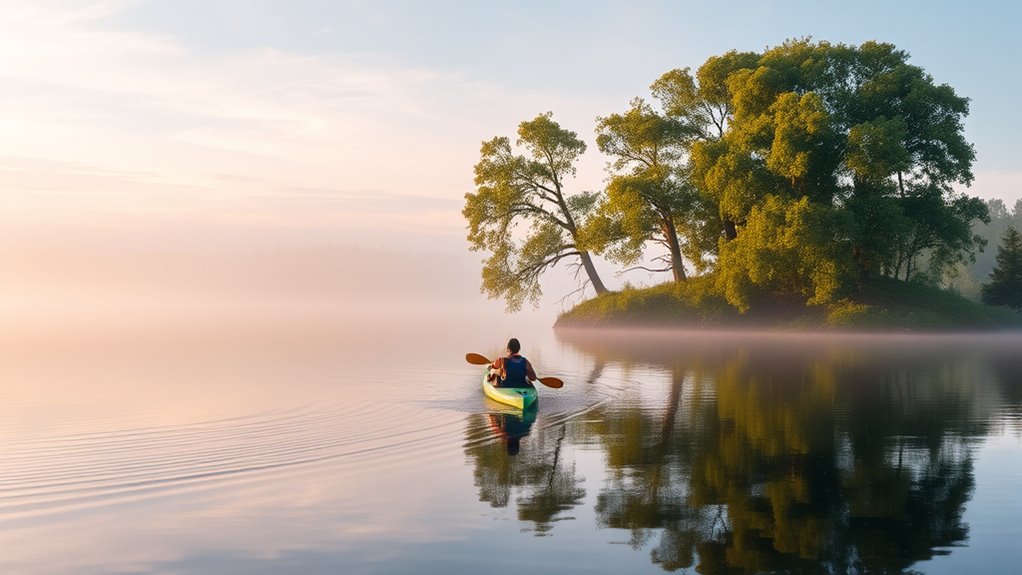
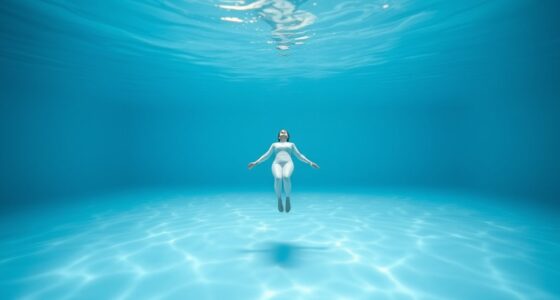
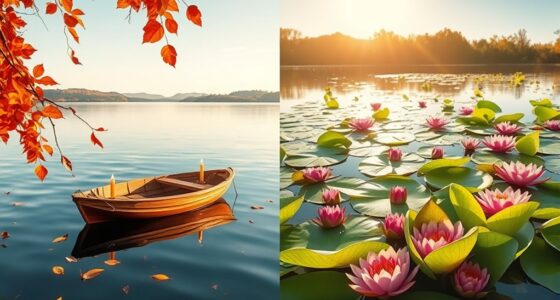
Have you ever wondered how floating effortlessly on water connects us to the natural world? It’s a simple act, yet it opens a window to a world that often goes unnoticed. When you gently drift on the water’s surface, you experience a profound sense of water serenity. The quiet ripple of the current, the soft lapping of waves, and the gentle sway of your body all create a calming rhythm that aligns with nature’s own pace. This tranquility isn’t just soothing; it immerses you in the natural environment, allowing you to feel connected on a deeper level. As you float, your senses become more attuned to your surroundings, and the water becomes a mirror reflecting the sky, trees, and wildlife around you.
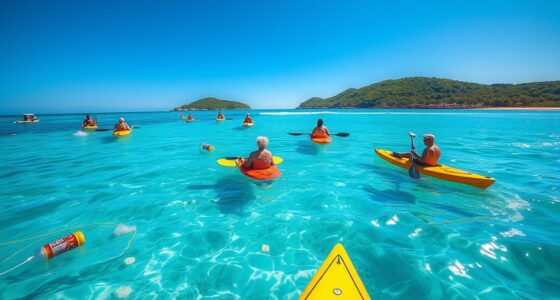
One of the most mesmerizing aspects of floating is wildlife observation. When you’re at peace on the water, animals tend to be less wary and more inclined to reveal themselves. You might spot a heron wading gracefully through shallow waters, a family of ducks gliding past, or fish darting beneath the surface. These moments of wildlife observation are precious because they let you witness nature’s delicate balance firsthand. Instead of observing from a distance or through a screen, floating places you directly in the habitat. It’s a chance to watch birds hunt, turtles basking on logs, or insects skimming across the water’s surface—all while maintaining a respectful, non-intrusive presence.
Floating also heightens your awareness of the ecosystem’s interconnectedness. You begin to notice how the water’s health directly impacts the wildlife thriving within it. Clear, calm water hints at a balanced, thriving environment, while murkiness or pollution signals trouble. Being present in this way encourages a sense of responsibility and appreciation for conservation efforts. You see how everything is linked—your presence, water quality, and the animals that depend on it—reminding you that your actions can help preserve these natural spaces.
Our presence influences water health, reminding us to protect the delicate balance of nature’s interconnected ecosystem.
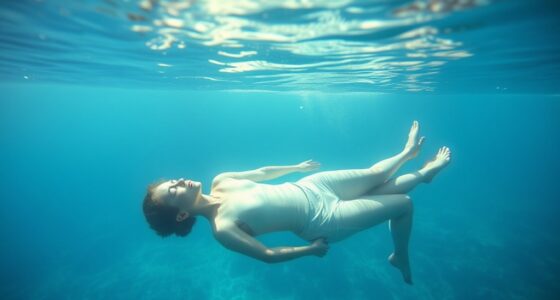
In essence, floating connects you to nature by providing a direct, immersive experience. It’s not just about relaxation; it’s about tuning into the subtle, often unnoticed details of the environment around you. Water serenity soothes your mind, while wildlife observation deepens your understanding and respect for the natural world. When you float, you’re not just a passive observer—you’re part of the ecosystem, sharing in its rhythm and beauty. This simple act can transform your perspective, fostering a genuine sense of harmony with the environment and inspiring you to protect it.
Engaging in floating can also enhance your mindfulness, encouraging a deeper connection with the natural world and helping you appreciate its delicate balance.
Frequently Asked Questions
Can Floating Experiences Help Reduce Stress and Anxiety Effectively?
Floating experiences can effectively reduce stress and anxiety by immersing you in sensory deprivation, calming your mind. During a float, you can practice mindfulness meditation, which helps you stay present and release worries. The quiet, weightless environment allows your body to relax deeply, lowering cortisol levels. This combination of sensory deprivation and mindfulness creates a peaceful state, making floating a powerful tool for managing stress and anxiety naturally.
Are There Specific Floating Techniques That Enhance Nature Connection?
You can deepen your nature connection through specific floating techniques like mindfulness meditation and breath awareness. As you float, focus on your breath, inhaling slowly and exhaling fully, to enhance your awareness of the natural surroundings. Practice mindful observation of water, sky, and plant life, immersing yourself fully in the environment. These techniques help you feel more grounded, present, and connected to nature during your floating experience.
How Often Should One Float to Experience Lasting Benefits With Nature?
You should float at least once a week to experience lasting benefits with nature. Incorporate seasonal practices and adapt your frequency based on how you feel, aiming for consistency. Use frequency tips like setting reminders or creating a routine, especially during peak seasons for nature connection. Regular floating helps deepen your bond with nature, reduces stress, and enhances mindfulness, making it an essential practice for long-term well-being.
Is Floating Suitable for All Age Groups and Physical Conditions?
Floating can be suitable for many age groups and physical conditions, but it depends on individual circumstances. For example, an elderly person with limited mobility might benefit from gentle float sessions designed for seniors, promoting relaxation without strain. With age inclusivity in mind, practitioners adapt techniques for those with physical limitations, ensuring everyone can enjoy the calming connection with nature. Always consult a professional before starting, especially if you have health concerns.
What Are the Best Locations or Environments for Immersive Floating Experiences?
You should seek out nature retreats and aquatic sanctuaries for immersive floating experiences. These environments offer calm, natural surroundings that enhance relaxation and connection with nature. Lakes, hot springs, and coastal areas are ideal, providing peaceful waters and scenic views. By floating in these pristine locations, you deepen your bond with nature, enjoy tranquility, and rejuvenate your mind and body in harmony with the natural world.
Conclusion
As you embrace floating, you connect deeply with nature’s calm and serenity. Did you know that just 20 minutes of floating can reduce cortisol levels by 21%, helping you feel more relaxed and grounded? By immersing yourself in this tranquil experience, you not only recharge your body but also strengthen your bond with the natural world around you. So, next time you float, remember—you’re tapping into a powerful way to restore harmony within yourself and with nature.