Adjusting your pool pump to a lower or variable speed setting can save you more than you expect by drastically reducing energy consumption—up to 80%. Using a variable-speed pump allows you to choose the right speed for different tasks like filtration and cleaning, preventing unnecessary power use and extending the pump’s lifespan. Proper maintenance and smart operation are key. Keep exploring, and you’ll discover even more ways to maximize savings and efficiency.

Get pool and patio gear delivered free with Prime
- Fast, free delivery on millions of items
- Prime Video, Amazon Music and more included
- Member-only deals all year
Key Takeaways
- Using a variable-speed pump at lower settings during daily filtration maximizes energy savings.
- Adjusting pump speed according to pool needs reduces energy consumption by up to 80%.
- Properly setting the pump to optimal speeds extends equipment lifespan and lowers maintenance costs.
- Regularly maintaining and cleaning the pump enhances efficiency and prevents unnecessary energy use.
- Combining eco-friendly chemicals and natural water balance practices further amplifies overall pool sustainability savings.

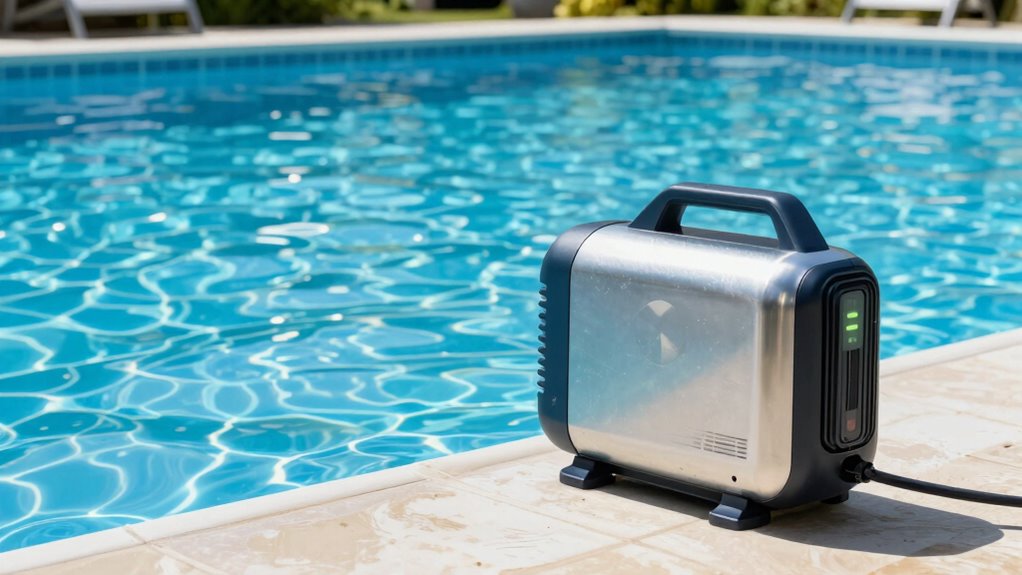
Adjusting your pool pump’s speed setting can considerably improve energy efficiency and water circulation. Many pool owners overlook this simple adjustment, but it can lead to significant savings on energy bills while keeping your pool cleaner. The key is to understand how different speed settings impact your pump’s performance and long-term operation. A variable-speed pump allows you to select the appropriate speed for each task, whether it’s filtration, cleaning, or circulating chemicals. Running the pump at a lower speed during regular filtration can cut energy consumption dramatically, sometimes by up to 80%. This not only saves you money but also reduces wear and tear, extending the lifespan of your equipment. Proper pump performance is essential for maximizing efficiency and longevity. Additionally, understanding biodiversity principles can help you create a healthier pool environment by promoting natural water balance.
Lower your pool pump’s speed to save energy and extend equipment life.
When setting your pool pump, it’s essential to follow some basic maintenance tips to guarantee ideal performance and energy efficiency. Regularly cleaning or replacing your pump’s filter prevents blockages that could force the pump to work harder, consuming more power. Check for leaks in the system, as they can decrease efficiency and increase operational costs. Also, keep an eye on the pump’s impeller and motor to make sure they’re free of debris and functioning smoothly. Additionally, understanding energy-efficient operation can help you optimize your pump settings for maximum savings. Proper maintenance minimizes strain on the pump, allowing you to run it at lower speeds without sacrificing water quality or circulation. Moreover, familiarizing yourself with pump speed adjustments enables better control over your pool’s operation and energy use. Incorporating sustainable practices, such as using environmentally friendly chemicals, can further enhance your pool’s eco-friendliness and reduce the impact on local biodiversity.
As an affiliate, we earn on qualifying purchases.
Frequently Asked Questions
How Often Should I Adjust My Pool Pump Speed?
You should adjust your pool pump speed monthly or whenever you notice changes in pump noise or water clarity. Regular pool maintenance involves monitoring how the pump operates; if it becomes louder or less efficient, it’s time to tweak the speed. Keeping it optimized helps reduce noise and energy costs. Consistent adjustments make certain your pool stays clean and your equipment runs smoothly without unnecessary strain.
Can Variable Speed Pumps Save More Energy Than Single-Speed Models?
Like a knight wielding a modern sword, a variable speed pump outperforms single-speed models in energy savings. It saves more because you can adjust the speed for different tasks, reducing energy use and noise. Regular pump maintenance keeps it running smoothly, further enhancing efficiency. Plus, it minimizes noise, making your pool area more peaceful. Overall, a variable speed pump delivers better energy savings and quieter operation than traditional single-speed pumps.
What Is the Ideal Pump Speed for Different Pool Sizes?
For ideal water circulation and efficient pool maintenance, set your pump speed based on your pool size. Smaller pools typically need lower speeds around 1,000-1,500 RPM, while larger pools benefit from higher speeds around 1,500-2,500 RPM. Adjusting your variable speed pump accordingly helps save energy, reduces noise, and keeps water clear. Always monitor your pool’s performance and make incremental adjustments to find the perfect balance.
Are There Any Risks Associated With Low Pump Speeds?
Think of your pool pump as a gentle guardian. Running it at too low a speed risks neglecting pump maintenance, leading to equipment wear or damage. It might also cause noise reduction issues, making your tranquil oasis less peaceful. While low speeds save energy, you should monitor for reduced water flow, which can affect filtration. Stay attentive, and you’ll keep your pool running smoothly and quietly, avoiding potential risks.
How Do I Know if My Pool Pump Is Energy-Efficient?
You can tell if your pool pump is energy-efficient by checking its energy savings and overall performance. Look for a pump with a variable speed setting, which allows you to optimize flow and reduce power use during pool maintenance. Additionally, review its energy star rating and monitor your electricity bills. An energy-efficient pump maintains clear water with less effort, saving you money in the long run and making pool maintenance more manageable.
Conclusion
By adjusting your pool pump speed, you could save up to 80% on energy costs, according to recent studies. This simple change not only cuts expenses but also extends your pump’s lifespan, reducing maintenance. Don’t overlook this small adjustment—your wallet and the environment will thank you. Take control of your energy use today, and enjoy a cleaner pool with less hassle and more savings. It’s a win-win you won’t want to miss!
Fall Picks
fall essentials
As an affiliate, we earn on qualifying purchases.