
Many new pool owners think saltwater chlorinators are maintenance-free, but they actually need regular attention. You must monitor and balance water chemistry, including pH, alkalinity, and salt levels, to keep the system running efficiently. Cell cleaning and troubleshooting are also necessary to prevent buildup and guarantee proper chlorine production. Failing to do so can lead to cloudy water, algae, or equipment damage. Keep these essentials in mind as you explore more tips for successful pool care.

Get pool and patio gear delivered free with Prime
- Fast, free delivery on millions of items
- Prime Video, Amazon Music and more included
- Member-only deals all year
Key Takeaways
- Saltwater chlorinators produce chlorine through electrolysis but still require regular maintenance and water chemistry balancing.
- Proper salt levels are essential; both too low and too high can harm system performance and equipment lifespan.
- Ongoing tasks include cleaning the salt cell, testing water chemistry, and adjusting pH and alkalinity levels.
- Saltwater pools are not maintenance-free; consistent monitoring prevents issues like cloudiness and algae.
- Regular upkeep ensures optimal chlorine production, water quality, and long-term system durability.
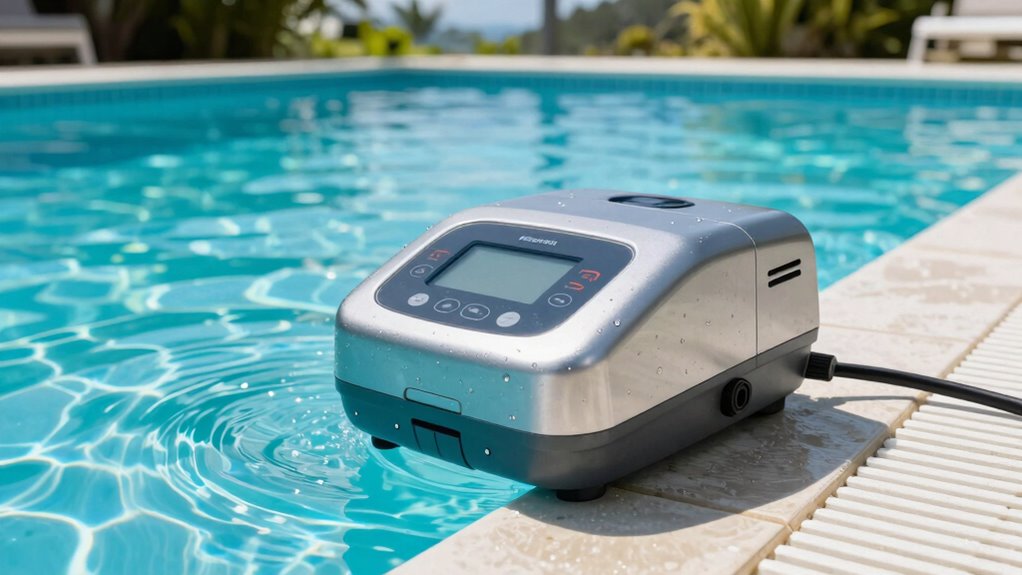
Saltwater chlorinators are often praised for their convenience and ability to produce clean, clear pool water with less chemical fuss. While they seem like an ideal solution for hassle-free pool maintenance, the reality is a bit more nuanced. Many new pool owners jump in with high expectations, believing that a saltwater system will eliminate the need for regular upkeep. However, it’s important to understand that these systems still require attention and proper maintenance to function effectively.
Saltwater chlorinators offer convenience but still need regular maintenance for optimal performance and water quality.
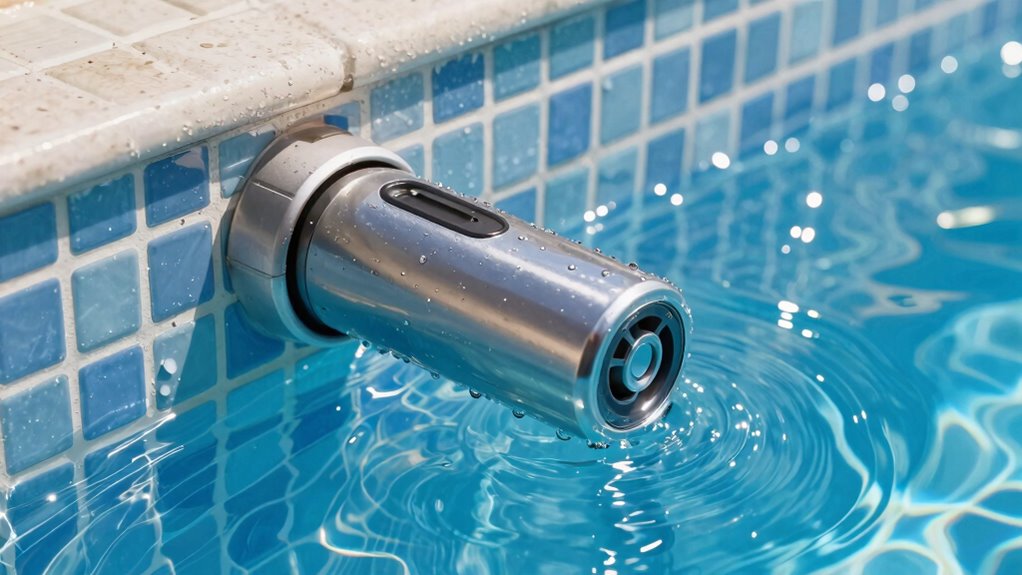
At the core, saltwater chlorinators work by generating chlorine through a process called electrolysis, which converts salt in the water into chlorine. This chlorine then sanitizes your pool, keeping algae and bacteria at bay. Although this process reduces the need to manually add chlorine, it doesn’t mean you can neglect your pool altogether. You’ll still need to regularly test the water’s chemistry, monitor salt levels, and adjust the settings on your system to guarantee ideal chlorine production. Without proper pool maintenance, your saltwater system can underperform or even lead to water quality issues.
One common misconception is that saltwater pools are maintenance-free. That’s far from the truth. Salt levels can fluctuate due to splash-out, backwashing, or rain, and if they drop too low, your chlorinator won’t produce enough disinfectant. Conversely, if salt levels are too high, it can cause corrosion in pool equipment or damage the salt cell itself. Regular testing and balancing of water chemistry are essential to keep everything running smoothly. You’ll want to keep an eye on pH, alkalinity, and salt levels and adjust accordingly. Additionally, understanding how salt levels impact system performance is crucial for effective maintenance. Maintaining proper water chemistry also helps prevent buildup and scale formation on the salt cell, which can hinder its function. Proper system calibration ensures your chlorinator operates efficiently and extends its lifespan. Being aware of how water chemistry imbalances can affect your system helps prevent costly repairs and ensures consistent chlorine production.
Cleaning the cell periodically is a vital part of pool maintenance, ensuring efficient chlorine output. If you notice cloudy water, algae, or a strange smell, it’s a sign your system needs attention. Remember, even though saltwater chlorinators produce chlorine automatically, they’re not a set-it-and-forget-it solution. Maintaining awareness of system maintenance tasks and staying proactive can significantly prolong the life of your equipment and improve water quality.
In short, a saltwater chlorinator can simplify your pool maintenance routine and help you enjoy clearer water with less manual chlorine addition. But it’s not a magic fix that eliminates all work. You must stay vigilant about water chemistry, salt levels, and equipment upkeep. When you understand these realities and commit to regular maintenance, your saltwater system can serve you well for years to come.
As an affiliate, we earn on qualifying purchases.
Frequently Asked Questions
How Often Should I Test My Saltwater Levels?
You should test your saltwater levels weekly to keep your pool’s water chemistry balanced. Regular testing helps guarantee your salt levels stay within the recommended range for your chlorinator to work efficiently. During heavy use or after storms, test more frequently. Proper pool maintenance involves monitoring salt levels consistently, so you avoid issues like algae growth or equipment problems, keeping your pool safe and enjoyable all season long.
Can Saltwater Chlorinators Work With All Pool Types?
Saltwater chlorinators work best with specific pool types, mostly in properly maintained, salt-compatible pools. They are ideal for in-ground pools, but may not suit above-ground pools or those with certain finishes. For effective pool maintenance, make certain your pool’s material is compatible with chlorine generation from the chlorinator. Always check your pool’s specifications and consult with a professional to make sure the chlorinator will work efficiently and safely.
What Is the Average Lifespan of a Saltwater Chlorinator?
Your saltwater chlorinator typically lasts about 5 to 10 years, depending on maintenance and water chemistry. Regular pool maintenance keeps it running smoothly, preventing buildup and corrosion. You’ll need to monitor and adjust water chemistry to avoid damaging the electrodes and to extend its lifespan. By staying consistent with cleaning and water balance, you guarantee your chlorinator performs efficiently, saving you money and prolonging its durability.
Are There Specific Brands Recommended for Durability?
You should consider brands like Hayward, CircuPool, and Pentair for durability, as they’re known for their reliable build quality and positive brand comparisons. Durability factors include corrosion resistance, build materials, and warranty coverage. Research customer reviews and professional ratings to gauge long-term performance. Investing in a reputable brand guarantees your saltwater chlorinator withstands harsh pool conditions and lasts longer, saving you money on repairs and replacements.
How Does Climate Affect Saltwater Chlorinator Performance?
Climate acts like a weathered artist painting your pool’s health, influencing saltwater chlorinator performance. In hot, humid environments, corrosion issues intensify, wearing down parts faster, while temperature fluctuations can cause the system to struggle or shut down. Colder climates may slow chlorination, reducing efficiency. You need to monitor and maintain your system diligently, adjusting settings and protecting components to guarantee your saltwater oasis stays pristine despite climate’s unpredictable brushstrokes.
Conclusion
Remember, about 80% of new pool owners choose saltwater chlorinators for easier maintenance, but they’re not completely hands-off. The reality is, regular testing and occasional cleaning are still essential to keep your pool crystal clear. So, while saltwater systems can be a game-changer, don’t forget they aren’t magic. Staying proactive guarantees your pool stays inviting all season long, letting you enjoy the water without surprises.
Fall Picks
fall essentials
As an affiliate, we earn on qualifying purchases.