
TL;DR

Get pool and patio gear delivered free with Prime
- Fast, free delivery on millions of items
- Prime Video, Amazon Music and more included
- Member-only deals all year
A Gardening Know How report recommends Virginia sweetspire as a native alternative to burning bush, which is native to Asia and invasive in many parts of the United States. Sweetspire offers fall foliage, fragrant early-summer flowers and habitat for wildlife, though its color varies by plant and growing conditions.
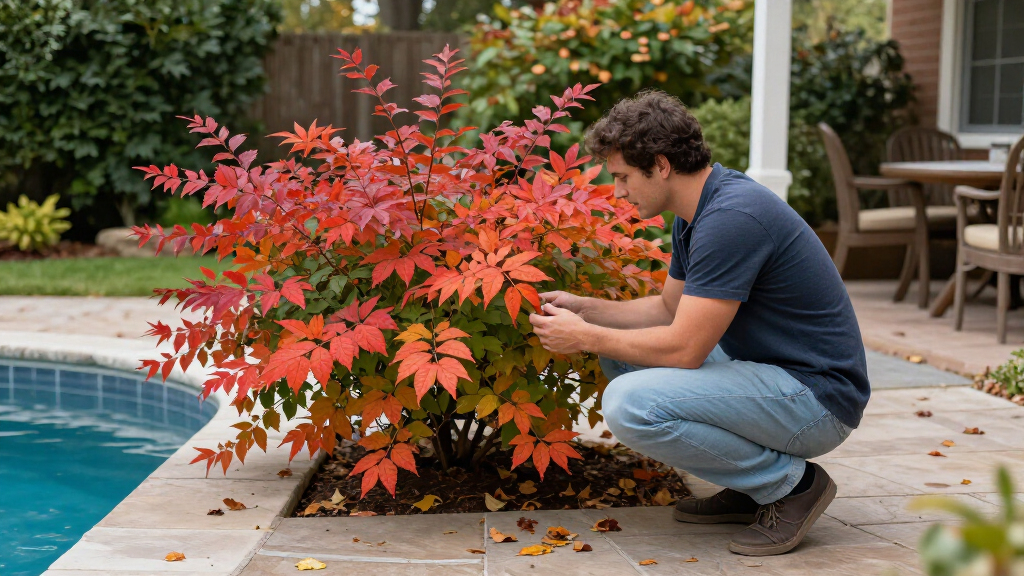
A Gardening Know How report recommends Virginia sweetspire (Itea virginica) as a native alternative to burning bush, the popular fall-color shrub that is native to Asia and invasive in many parts of the United States. Sweetspire can provide red, orange, purple or maroon autumn foliage, fragrant early-summer flowers and wildlife habitat, although the strength and duration of its fall display vary.
Burning bush (Euonymus alatus) is widely planted for leaves that turn vivid crimson in fall. The report says birds can spread its seeds beyond gardens, allowing the shrub to establish in natural areas and compete with native vegetation. It also notes that several states have restricted or banned its use in landscaping, though it does not identify those states or detail the rules.
Virginia sweetspire is a deciduous shrub native to the eastern United States. Its glossy green leaves may take on shades of red, orange, purple and maroon in fall. In early summer, the plant produces fragrant white flower spikes, adding seasonal interest before the autumn foliage appears.
The source describes sweetspire as providing cover and nesting habitat for birds and support for bees, butterflies and hummingbirds. It recommends the cultivar ‘Henry’s Garnet’ for gardeners seeking a strong fall-color display, while cautioning that a cultivar choice does not guarantee identical color in every garden. Climate, growing conditions and the individual plant can affect the display.
A Shrub With More Than Fall Color
The recommendation matters to gardeners choosing plants for autumn color because it pairs a visually striking display with a native alternative to a shrub that can spread beyond cultivated spaces. Where burning bush is invasive or restricted, selecting a different plant may help avoid adding to that pressure on natural areas.
Sweetspire also offers benefits across more of the growing season. Its early-summer flowers and reported value as cover and nesting habitat mean it is not being recommended solely for its fall appearance. For homeowners, that can make it a practical option for gardens intended to support local wildlife as well as provide ornamental interest.
It is not a perfect visual substitute: the source says sweetspire’s foliage color varies, and it does not claim every plant will match burning bush’s intense crimson. Gardeners should weigh the shrub’s broader seasonal and habitat benefits against their preferred appearance and local growing conditions.
As an affiliate, we earn on qualifying purchases.
Why Burning Bush Is Being Reconsidered
Burning bush became popular because it is easy to recognize in fall, when its leaves turn a vivid red. The report acknowledges that appeal while pointing to a different concern: the shrub is native to Asia, and bird-dispersed seeds can help it move from gardens into natural areas. There, it may compete with native vegetation.
The article places its advice in the fall planting season, when gardeners may be shopping for shrubs based on foliage color. It presents Virginia sweetspire as one alternative rather than claiming it is suitable for every site. The source does not provide detailed planting instructions, local suitability guidance or a state-by-state account of burning-bush restrictions.
““Beautiful doesn’t necessarily mean appropriate for every garden.””
— Gardening Know How
Color and Local Rules Can Vary
The source does not specify which states restrict or prohibit burning bush, or whether those rules apply statewide, to particular uses or to sales. Gardeners should check local regulations before buying or planting it. The report also gives no detailed guidance on sweetspire’s performance in specific regions or conditions.
Fall color is not guaranteed to be uniform: the source says climate, growing conditions and the individual plant affect its intensity and duration. It recommends ‘Henry’s Garnet’ for people prioritizing foliage color but does not provide comparative trial data or promise a particular result.
Check Local Guidance Before Planting
Gardeners considering either shrub can compare the plants with local extension or native-plant resources and check state and municipal rules before purchasing. Those considering Virginia sweetspire should review whether it suits their site and treat cultivar descriptions as guidance, not a guarantee of exact fall color.
The report offers a seasonal planting recommendation, not a formal policy announcement or a new study. The source provides no follow-up research or schedule for further developments.
Key Questions
Why does the report advise caution about burning bush?
It says burning bush is native to Asia and has become invasive in many parts of the United States. Birds can spread its seeds into natural areas, where it may compete with native vegetation.
What makes Virginia sweetspire an alternative?
Virginia sweetspire is native to the eastern United States and can offer autumn foliage, fragrant white summer flowers and wildlife habitat. Its fall color may include red, orange, purple and maroon.
Will Virginia sweetspire match burning bush’s fall color?
Not necessarily. The source says color intensity and duration vary with climate, growing conditions and the individual plant. It recommends ‘Henry’s Garnet’ for gardeners especially interested in fall color, without guaranteeing a specific display.
Is burning bush restricted everywhere in the United States?
The report says several states have restricted or banned its use in landscaping, but it does not name them or describe the rules. Check current local and state regulations before buying or planting burning bush.
Source: rss
Halloween Picks
halloween
As an affiliate, we earn on qualifying purchases.