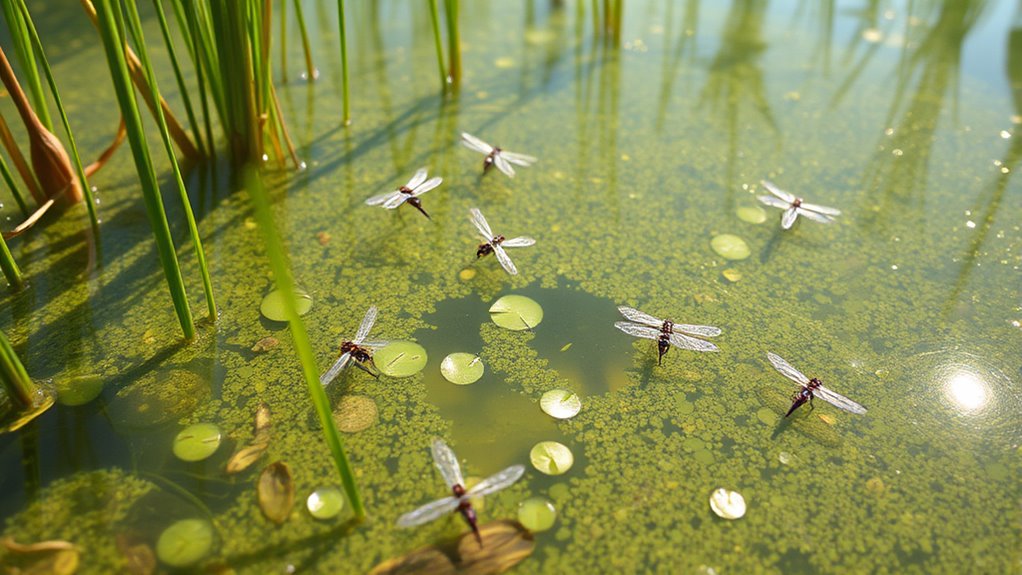

To manage floating debris and insects around water edges, you should combine natural methods like encouraging fish and beneficial insects with targeted chemical treatments when needed. Regularly monitor the area to see what’s working and adjust your approach accordingly. Using an integrated strategy helps keep the water clean, safe, and enjoyable. If you want proven techniques that balance ecological health with effective control, you’ll find helpful tips ahead.
Key Takeaways
- Implement biological controls like predatory fish and beneficial insects to naturally reduce mosquito larvae and debris.
- Use targeted chemical larvicides carefully to quickly control insect populations without harming the ecosystem.
- Combine biological and chemical methods with habitat management, such as removing debris and stagnant water, for comprehensive control.
- Regularly monitor water edges to assess pest levels and adjust management strategies accordingly.
- Promote sustainable practices by integrating natural predators, chemical treatments, and ongoing observation to maintain healthy water ecosystems.
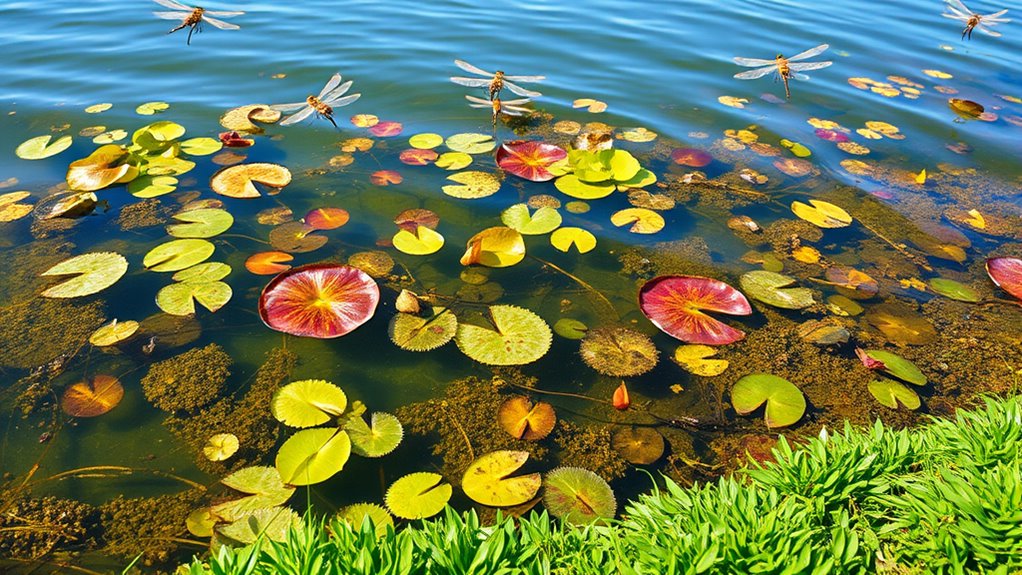
Are you aware of the challenges insects and floating debris pose around water edges? These issues can disrupt ecosystems, hinder recreational activities, and cause health concerns. Managing them effectively requires understanding both natural and chemical methods to keep water edges clean and safe. Biological control plays a critical role here. By introducing or encouraging natural predators, such as certain fish species or beneficial insects, you can markedly reduce pest populations without relying solely on chemicals. For example, some fish feed on mosquito larvae, naturally curbing mosquito breeding around stagnant water. Promoting these natural predators creates a balanced ecosystem, minimizes chemical use, and offers a sustainable solution for long-term control.
However, biological control isn’t always sufficient on its own, especially during peak infestation periods. That’s where chemical applications come into play. When insect populations or floating debris become overwhelming, targeted chemical treatments can quickly reduce their numbers. Using larvicides or insecticides specifically designed for aquatic environments helps control insects like mosquitoes or midges before they mature or reproduce further. It’s essential, though, to apply these chemicals carefully, considering the potential impact on non-target species and water quality. Proper timing, dosage, and application methods guarantee effectiveness while minimizing environmental harm.
Combining biological control with chemical applications provides an all-encompassing approach. Start with natural methods to establish a baseline of pest management. For instance, enhancing habitats for beneficial insects or stocking predatory fish can keep pest populations in check. When these measures aren’t enough, carefully timed chemical applications can target remaining insects or debris, preventing outbreaks. Always follow local regulations and manufacturer instructions to avoid unintended consequences, such as harming native species or polluting water sources.
Monitoring is essential throughout this process. Regularly inspecting water edges helps you assess the effectiveness of your strategies and determine if additional interventions are necessary. It also allows you to identify any adverse effects early, so you can adjust your approach accordingly. Proper management techniques can further optimize your efforts, ensuring sustainability and ecological balance. Keep in mind that integrated management—combining biological control, chemical applications, and vigilant monitoring—offers the most sustainable and efficient way to handle floating debris and insects around water edges. This balanced approach not only protects the ecosystem but also ensures your water resources remain healthy, safe, and enjoyable for everyone involved.
Frequently Asked Questions
What Are the Best Natural Repellents for Water Edge Insects?
You can try natural repellents like citronella, lemon eucalyptus oil, and lavender to deter water edge insects. These insect deterrents are effective and safe for your environment. Apply them around the water’s edge or on your skin to keep mosquitoes and other insects at bay. Reapply regularly, especially after rain or if you notice a decrease in effectiveness. Natural repellents offer a eco-friendly way to protect yourself while enjoying water-side activities.
How Often Should Water Edges Be Treated for Insect Control?
You should treat water edges for insect control based on your pest monitoring results, typically every 2-4 weeks during peak insect activity. Establishing a consistent treatment schedule helps prevent infestations, but avoid over-treating, which can harm beneficial insects. Regularly monitor pest levels to adjust your schedule accordingly, ensuring effective control while protecting the environment. Remember, ongoing observation is key to maintaining a balanced and healthy water edge ecosystem.
Are There Eco-Friendly Floating Devices for Insect Management?
Yes, there are eco-friendly devices for insect management that are water safe solutions. You can use floating devices like solar-powered mosquito traps or natural predator habitats that won’t harm aquatic life. These options effectively control insects without introducing chemicals, making them safe for the environment. By choosing eco-friendly devices, you help protect water quality and support sustainable pest management around water edges.
Can Floating Debris Influence Insect Populations Near Water?
Did you know that floating debris can increase insect populations by 30%? It influences water quality by providing shelter and breeding sites. When debris accumulates, it hampers effective debris removal, creating a perfect environment for insects like mosquitoes. Managing floating debris helps control insect populations, improves water quality, and reduces disease risks. Regular debris removal is essential for a healthier aquatic ecosystem and safer surroundings.
What Safety Precautions Are Recommended During Insect Treatment?
During insect treatment, you should wear protective gear like gloves, masks, and goggles to prevent exposure. Always follow emergency procedures, such as having a first aid kit nearby and knowing how to handle accidental contact or ingestion. Confirm proper ventilation and avoid spraying on windy days. Inform others about the treatment schedule. These precautions keep you safe while effectively managing insect populations around water edges.
Conclusion
By managing floating debris and insect activity around water edges, you’re not just protecting the environment — you’re safeguarding your own well-being. Some believe that controlling these elements can markedly reduce disease spread and ecological imbalance. While these claims are often debated, taking action shows you care. Trusting in simple, proactive steps can make a real difference. Remember, your efforts ripple outward, helping preserve the delicate balance of water ecosystems for generations to come.