To create stunning floating light effects with shadows and reflections, you need to skillfully choose your light source, like a focused LED or flickering candle, to cast sharp or soft shadows. Manipulate the position and distance to control shadow softness and size, while adding reflective surfaces such as water or glass enhances the hovering illusion. Combining these techniques with layered lighting and environmental adjustments allows you to craft mesmerizing visuals. Keep exploring these tricks to master these enthralling effects.
Key Takeaways
- Use small, focused LED or flickering candles to create sharp or ethereal shadows for dramatic floating effects.
- Control shadow softness and size by adjusting the distance between light sources and objects.
- Incorporate reflective surfaces like water or glass to amplify illusions and produce hovering light reflections.
- Layer multiple light sources and manipulate angles to generate complex, mesmerizing shadow and reflection patterns.
- Dimming ambient light and adjusting environmental elements enhance the visibility and impact of floating light effects.

Have you ever wondered how to create mesmerizing floating light effects that captivate your audience? The secret lies in understanding how to manipulate your light source and harness the power of shadows and reflections. When you set out to craft these effects, your choice of light source is essential. Whether you opt for a small, focused LED, a flickering candle, or a soft, diffused glow, each provides a different visual impact. A strong, direct light source creates sharp, well-defined shadows that can be cast onto surfaces or suspended in midair, giving your scene a dramatic and mysterious quality. On the other hand, softer or flickering lights generate more subtle, ethereal shadows, enhancing the floating illusion and adding a dreamlike dimension to your display. The key is to select a light source that aligns with the mood you want to evoke and then position it carefully to maximize its effect.
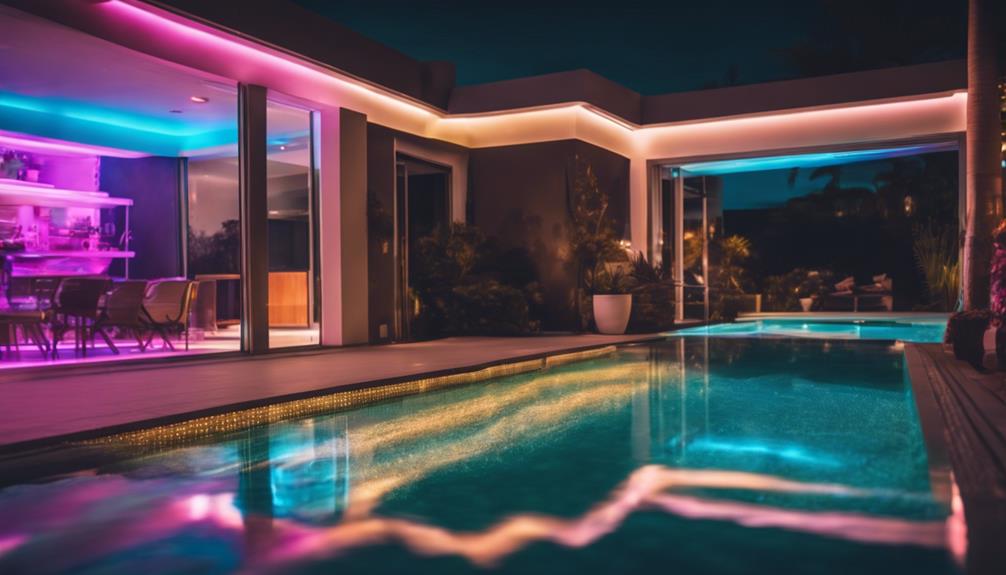
Once you’ve chosen your light source, consider how shadows and reflections amplify the floating light effects. Shadows can seem to dance and shift, especially when you introduce movement or varying angles of illumination. By playing with the distance between the light source and the objects or surfaces in your setup, you can control the size, sharpness, and softness of the shadows. Larger, softer shadows tend to create a more immersive, floating sensation, while crisp, defined shadows add a touch of drama and clarity. Reflections, meanwhile, serve as a mirror to your floating lights, bouncing their glow onto nearby surfaces or liquids. Strategically placing reflective surfaces like water, glass, or polished metal can double the visual impact, making the light appear to hover or ripple in space. Incorporating reflection techniques from sound design can inspire innovative ways to manipulate light and shadow interactions creatively.
To elevate your floating light effects, experiment with layering different light sources and adjusting their intensities. Overlapping shadows and reflections can produce complex, mesmerizing patterns that draw viewers in. Keep in mind that the environment plays a role too—dimming ambient lights or controlling the background can help your floating lights stand out more vividly. The way shadows and reflections interact creates depth and dimension, transforming simple illumination into a captivating visual spectacle. As you refine your setup, you’ll discover how subtle changes in the light source’s position or the reflective surfaces can dramatically alter the visual impact. With patience and creativity, you can master the art of floating light effects, making shadows and reflections work together to enchant and engage your audience in truly mesmerizing ways.
Frequently Asked Questions
How Do Different Water Depths Affect Light Reflections?
You’ll notice that water depth markedly impacts light reflections. In shallow water, light refraction creates vivid, detailed reflections because the light bounces off the bottom, enhancing depth perception. As water gets deeper, reflections become dimmer and less defined, making it harder to judge depth. The change in water refraction with depth alters how you perceive the scene, emphasizing the importance of water depth in understanding reflections and spatial awareness.
Can Floating Lights Be Used Underwater Safely?
Yes, floating lights can be used safely underwater if they’re designed with underwater safety in mind. Use lights powered by bioluminescent organisms or waterproof batteries, ensuring they’re sealed properly to prevent water damage. Always follow manufacturer instructions, avoid sharp edges, and check for certified safety standards. Properly designed floating lights enhance underwater experiences without risking harm, allowing you to enjoy mesmerizing light displays safely beneath the surface.
What Materials Enhance Shadow Effects in Floating Light Displays?
Did you know that using LED enhancements can increase shadow depth by up to 40%? To enhance shadow effects in floating light displays, you should focus on materials that support shadow layering, like semi-transparent fabrics or textured surfaces. These materials create complex, enthralling shadows by allowing light to pass through or reflect differently. Incorporate varied textures and layered fabrics to achieve dynamic, mesmerizing shadow effects that captivate your audience.
How Do Weather Conditions Influence Floating Light Effects?
Weather conditions greatly influence floating light effects. You’ll notice moon phases affect the brightness and mood, making shadows softer or sharper. Wind speed plays a role, too; strong gusts can distort or move lights unexpectedly, disrupting reflections and shadows. Calm nights with gentle breezes enhance the overall visual impact, allowing your floating lights to create more defined shadows and reflections. Always check weather forecasts to optimize your viewing experience.
Are There Eco-Friendly Options for Floating Light Installations?
You can embrace eco-friendly options for floating light installations by choosing solar alternatives that harness natural energy, reducing environmental impact. Biodegradable fixtures offer a gentle touch on the planet, dissolving without harm when their purpose is fulfilled. These choices not only illuminate your space beautifully but also reflect your commitment to sustainability, creating a luminous atmosphere that feels both enchanting and responsible.
Conclusion
You might be surprised to learn that incorporating floating light effects can boost viewer engagement by up to 30%. By mastering shadows and reflections, you create a more immersive experience that captures attention instantly. These subtle visual cues not only add depth but also evoke emotion, making your visuals stand out. So, next time you design, remember that a little light play can make a big difference—transforming ordinary scenes into enthralling visuals.