
TL;DR

Get pool and patio gear delivered free with Prime
- Fast, free delivery on millions of items
- Prime Video, Amazon Music and more included
- Member-only deals all year
An Ideal Home report outlines five ways to reuse garden clippings in autumn: make leaf mould, chop and drop suitable stems, leave some material for wildlife, compost eligible waste, and use clippings as mulch. Experts interviewed for the report caution against composting diseased plants, perennial weeds or seed-bearing material, and warn that wet grass clippings should not be laid thickly around plants.
An Ideal Home report has set out five ways to reuse garden clippings this autumn, including making leaf mould, composting suitable material and leaving some stems or piles as wildlife habitat. The advice, attributed to horticultural and gardening experts, offers alternatives to disposing of pruning waste while noting that some clippings should be kept out of compost and wet grass should not be piled against plants.
One option is to collect leaves from deciduous plants and turn them into leaf mould. Richard Barker, horticultural expert and commercial director of LBS Horticulture, advises putting the leaves in a black bin bag with air and drainage holes, loosely tying it and leaving it to decompose for about a year. Finished leaf mould should be dark, soft and crumbly, he says, and can be used as mulch or mixed with compost when planting.
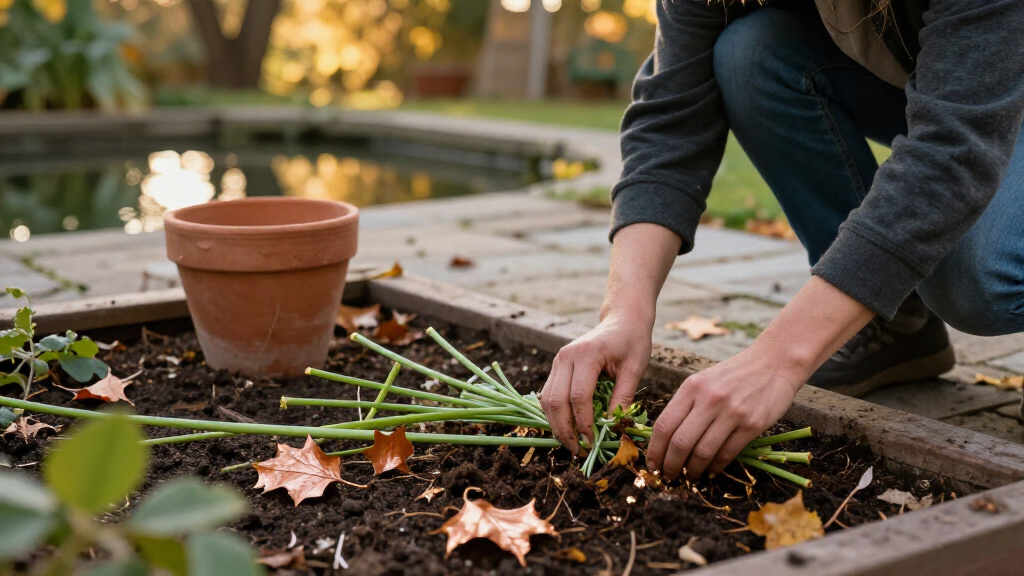
For herbaceous borders, gardening expert Melissa Quinney of Cabin Master recommends a “chop and drop” approach: cut spent stems and foliage into smaller pieces and leave them on the soil surface. The report says they can break down over winter and provide cover for beneficial insects. Barker also points to wildlife uses for clippings: insects may shelter in grass piles or hollow stems, while decomposing material can attract fungi and earthworms.
Clippings can also go into a compost heap, provided they are suitable. Quinney says soft stems, spent flowers and grass cuttings can be composted, but advises against adding perennial weeds, diseased material or plants that have gone to seed. The fifth option is to use clippings as a thin layer of mulch around plants. Barker cautions that fresh, wet grass clippings should not be laid thickly over plant crowns because they can become slimy, restrict air and contribute to stem rot.
Turning Pruning Waste Into Garden Resources
Reusing suitable garden material can give autumn pruning a second purpose: some clippings can become soil conditioner or compost, while others can provide shelter for wildlife as they break down. The recommendations may also reduce the amount of garden waste that needs to be removed from the plot.
The approaches are not interchangeable for every kind of clipping. The report’s cautions matter: diseased or seeding plants can create problems in a compost heap, and a thick, wet layer of grass can harm plants rather than protect them. Gardeners need to sort material and use it according to its condition and intended use.
Popular right now

Apple AirPods Pro 3 Wireless Earbuds with Active Noise Cancellation

Dyson Airwrap i.d. Multi-Styler for Straight and Wavy Hair

LG 85-Inch QNED73B Mini LED 4K Smart TV (2026)
As an affiliate, we earn on qualifying purchases.
Expert Advice for October Pruning
The source report is framed around plants that benefit from October pruning and what to do with the resulting leaves, stems and grass. It draws on comments from Richard Barker of LBS Horticulture and Melissa Quinney of Cabin Master. The five suggestions are leaf mould, chop and drop, wildlife habitat, composting and mulching.
The report describes leaf mould as a slow process, recommending about one year of decomposition in a ventilated bag. Composting is presented as a separate route for suitable material, with occasional turning and moisture helping the heap break down. The article does not give detailed, plant-by-plant pruning guidance; its focus is what to do with clippings after pruning.
““You can use fallen or clipped leaves in your garden to make leaf mould.””
— Richard Barker, horticultural expert and commercial director of LBS Horticulture
Which Clippings Suit Each Method
The report gives general recommendations, but it does not identify every plant species or explain how individual clippings should be handled. Whether a particular stem, leaf or grass cutting is suitable may depend on its condition; the source specifically warns against composting diseased material, perennial weeds and seed-bearing plants.
It also does not specify how thick a safe mulch layer should be beyond advising that it should be thin, or provide local guidance on managing garden waste. Readers should treat the methods as broad advice and check plant-specific guidance when unsure, especially before leaving potentially diseased material in a bed or compost heap.
Sorting Clippings After Pruning
The next step for gardeners is to separate clippings by type and condition after pruning: collect suitable deciduous leaves for leaf mould, chop appropriate perennial stems for borders, and reserve eligible material for compost or thin mulch. Some clean stems or grass may also be left in a contained area as habitat, as Barker suggests.
Leaf mould takes about a year to mature, while composting times will depend on the heap and its contents. The report does not announce a follow-up study or set a formal schedule; it presents practical autumn advice rather than a new policy or scientific finding.
Key Questions
What are five ways to reuse garden clippings in autumn?
The report lists making leaf mould, chopping and dropping suitable stems, leaving some material for wildlife, adding eligible clippings to compost, and using clippings as mulch.
How do you make leaf mould from clipped leaves?
Richard Barker recommends collecting leaves from deciduous plants, putting them in a black bag with air and drainage holes, loosely tying it and leaving it to decompose for about a year. It is ready when dark, soft and crumbly.
Which garden clippings should not go in compost?
Melissa Quinney advises leaving out perennial weeds, diseased material and plants that have gone to seed, as these can cause problems later.
Can grass clippings be used as mulch?
They can be used sparingly, but Barker warns against laying fresh, wet grass clippings thickly over plant crowns. A thick wet layer can become slimy, block air and contribute to stem rot.
Source: rss