TL;DR

Get pool and patio gear delivered free with Prime
- Fast, free delivery on millions of items
- Prime Video, Amazon Music and more included
- Member-only deals all year
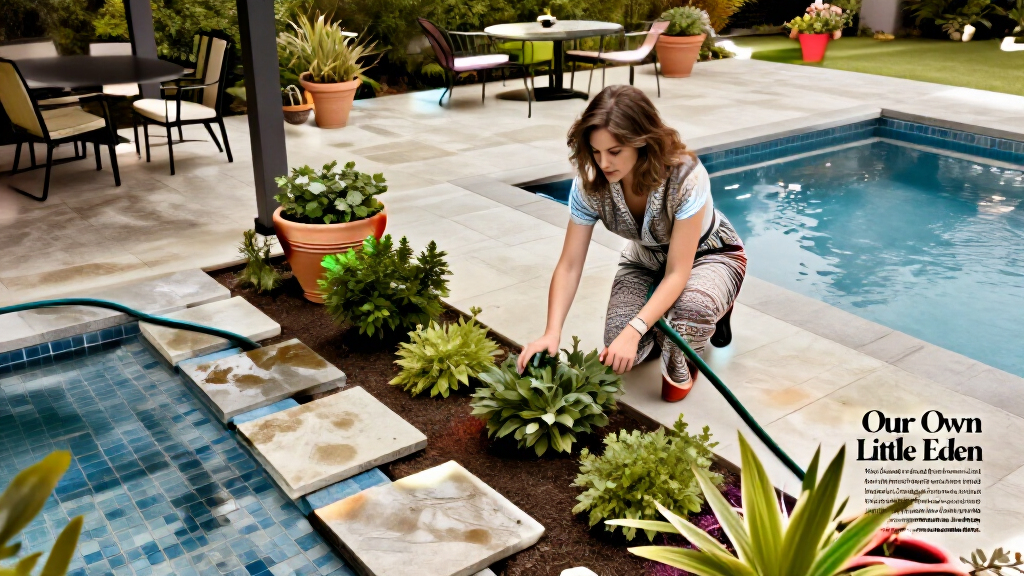
Designer Rachel Platt reshaped an underused garden in South Buckinghamshire into a landscape combining an unheated natural swimming pool, wildlife habitat and spaces for food growing and outdoor living. The owners say the garden now attracts frogs, toads, newts, dragonflies, bats and birds; the project also retained existing ponds, terrace and valued plants.
Designer Rachel Platt has transformed an underused garden in South Buckinghamshire into a wildlife-oriented landscape centred on an unheated natural swimming pool. The project gives the owners, who work in the veterinary sector, a place to swim, grow food and spend time outdoors while supporting wildlife, according to the report by Homes and Gardens.
The brief called for a garden connected to the surrounding fields and hedgerows, with room for swimming, food growing and entertaining. Platt’s design shifts from more formal geometry near the house to curving paths, a chalk meadow and an edible hedgerow toward the garden’s outer edge. The pool was developed in collaboration with Ellicar Natural Pools.
The pool has two parts: a clear swimming zone and a planted regeneration zone, where aquatic plants provide hydrobotanical filtration. Planting around the water includes water mint, water forget-me-nots, native flag irises and marsh marigolds. Homes and Gardens reports that dragonflies and bats have already been seen around the pool; the clients also describe frogs, toads, newts and several dragonfly species using the garden’s ponds.
The wider scheme includes a raised kitchen garden, a grapevine pergola, a firepit with boulder seating, an outdoor shower and a dining area. The edible hedge combines plants including hazel, hawthorn, blackberry, chokeberry, damson, pear and serviceberry. The meadow is left uncut over winter, the report says, to leave seeds and shelter for insects, birds and small mammals.
A Garden Built for Daily Use
The project brings activities that the owners previously pursued elsewhere into their own garden. They had regularly driven to swim in rivers and spent relatively little time outside at home, according to the report. A natural swimming pool now combines recreation with planted habitat, while the kitchen garden, firepit and dining space support everyday use beyond the swimming season.
It also shows how a garden can be designed around existing conditions rather than replacing everything. The project retained two existing ponds and the terrace, as well as plants including the clients’ fig tree, lily of the valley, raspberries and rhubarb. That approach preserves features the report says have environmental or personal value while making room for new planting and outdoor spaces.
As an affiliate, we earn on qualifying purchases.
Design Changed Around Site Constraints
The initial pool concept was a formal, linear pond positioned to reflect a mature birch tree visible from the home’s kitchen and living area. The design changed after the team encountered existing drainage and a suspected utility service crossing the garden. The final pool is circular; the report does not give technical details about the service or the construction process.
Planting was also planned to provide interest through the seasons, including autumn colour requested by the owners. The reported choices include ornamental grasses, perennials and shrubs such as burning bush, selected for its red fall colour and multi-stem form. A section of meadow is kept standing through winter, while the edible hedge provides a gradual link between the cultivated garden and the landscape beyond.
“The garden has become a haven, a place to find balance and feel miles away from everything… And our natural pond is a total escape all through the seasons.”
— The garden’s owners, quoted by Homes and Gardens
Project Details Not Reported
The source does not state when the garden was completed, how much the project cost or how long construction took. It also gives no measurements for the pool, figures for water or energy use, or detailed maintenance information. The reported wildlife sightings come from the owners, and no formal ecological monitoring results are included.
Although the pool is described as unheated and natural, the report does not explain how it is operated through winter or set out any safety arrangements. A natural swimming pool remains a swimming area, and households with children need appropriate supervision and drowning-prevention measures.
No Further Milestone Announced
The source presents the garden as a completed design but does not identify a forthcoming project milestone, planned construction phase or follow-up ecological assessment. The garden’s planting and wildlife activity will continue to develop over time, but the report provides no schedule for further work or monitoring.
For now, the next observable changes are seasonal: aquatic and shoreline plants flower at different points in the year, while the meadow is left standing through winter. The owners’ account suggests the garden is already being used for swimming, food growing and family time, but longer-term outcomes for wildlife and maintenance are not reported.
Key Questions
Where is Rachel Platt’s garden project?
It is in South Buckinghamshire, England. The report does not give a more precise location.
What makes the swimming pool natural?
The pool has a clear swimming zone and a separate planted regeneration zone. The report says aquatic planting in the regeneration zone provides hydrobotanical filtration; it does not give further operating or water-quality details.
What wildlife has been reported in the garden?
The owners told Homes and Gardens they have seen frogs, toads, newts, dragonflies, a water snake and birds. The report also says dragonflies and bats have been attracted to the pool area. These are reported observations, not the results of a published wildlife survey.
What happened to the original pool design?
The initial plan was for a formal linear pond. Existing drainage and a suspected utility service led to a redesign, and the final pool is circular.
Source: rss
Fall Picks
fall essentials
As an affiliate, we earn on qualifying purchases.