
Floating core circles and pelvic engagement target your deep abdominal and pelvic muscles to improve core stability and pelvic alignment. As you perform gentle, controlled circular movements, you focus on maintaining a neutral pelvis and drawing your navel inward while lifting your pelvic floor. This exercise helps distribute weight evenly and supports better posture, reducing strain during daily activities. Keep exploring to discover how these movements can enhance your movement control and prevent injuries.
Key Takeaways
- Floating Core Circles promote pelvic engagement by activating deep abdominal and pelvic floor muscles through controlled circular movements.
- Maintaining neutral pelvis during circles enhances proper alignment and prevents tilting or overextension.
- Drawing the navel inward and lifting the pelvic floor increases core stability and supports pelvic positioning.
- Small, deliberate pelvic motions in core circles improve awareness and muscular response for better pelvic control.
- Regular practice strengthens the connection between core activation and pelvic stability, reducing injury risk and improving posture.
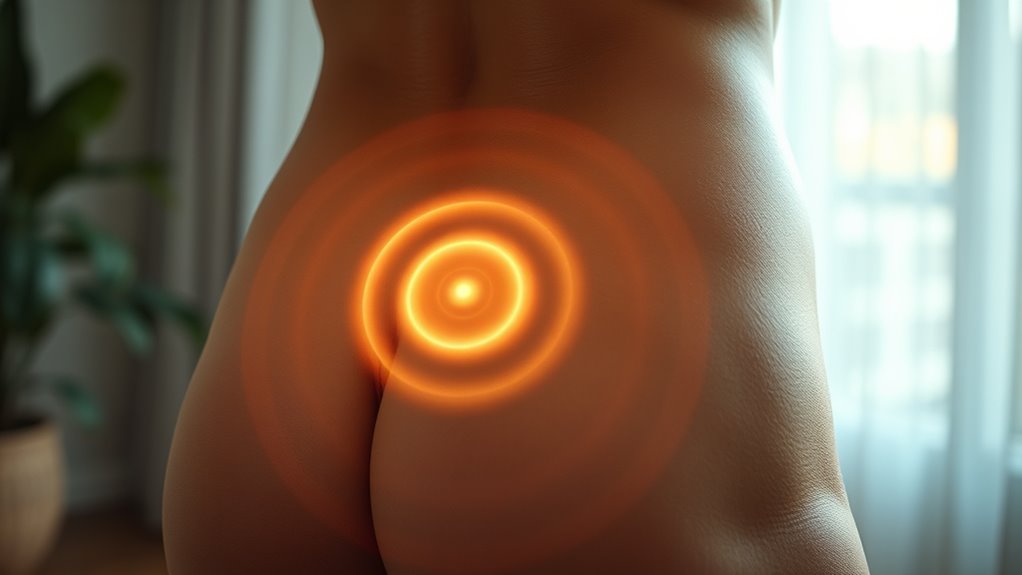
If you want to improve your core stability and pelvic control, understanding the connection between floating core circles and pelvic engagement is essential. These movements are designed to strengthen your deep abdominal muscles and promote proper pelvic alignment, which are indispensable for overall stability and injury prevention. When you perform floating core circles, you’re actively engaging your transverse abdominis and pelvic floor muscles—key players in maintaining a stable core. This engagement helps create a solid foundation that supports your spine, reduces lower back discomfort, and enhances movement efficiency.
Engage deep core and pelvic muscles for stability, injury prevention, and improved movement.
The concept behind floating core circles revolves around gentle, controlled movements that emphasize core activation without excessive strain. As you initiate the circles, focus on maintaining a neutral pelvis—neither tilting forward nor backward—so your pelvic alignment stays aligned. This precise control ensures that your deep core muscles are doing the work, not compensatory muscles like those in your hips or lower back. By consciously drawing your navel inward and lifting your pelvic floor, you create a chain reaction that stabilizes your entire pelvis, improving posture and balance.
When you practice these circles, pay attention to how your pelvis moves in relation to your core. The goal isn’t to force large movements but to cultivate awareness and subtle control. As you move your pelvis in small, circular motions, you’re training your muscles to respond correctly during everyday activities and more demanding exercises. This connection between floating core circles and pelvic engagement reinforces proper pelvic alignment, which is essential for activities that involve bending, lifting, or twisting. Proper pelvic alignment ensures your weight is distributed evenly, reducing wear and tear on joints and muscles.
Building core stability through these exercises also helps prevent common issues like lower back pain and pelvic floor dysfunction. When your deep core muscles are active and your pelvis is aligned, you create a balanced environment for your spine and hips. This balance supports better movement patterns, reduces strain, and improves overall functional strength. Over time, consistent practice of floating core circles will enhance your awareness of your pelvic positioning, making it easier to maintain good posture throughout the day.
Frequently Asked Questions
How Do Floating Core Circles Improve Overall Posture?
Floating core circles enhance your posture by strengthening core activation, which supports your spine and aligns your body properly. When you engage your core during these movements, you develop better postural habits and reduce strain on your neck, shoulders, and back. This practice encourages posture correction, making you more aware of your alignment and helping you maintain a healthy, upright position throughout daily activities.
Can Pelvic Engagement Help Reduce Lower Back Pain?
Yes, pelvic engagement can help reduce lower back pain by improving core activation and pelvic alignment. When you engage your pelvic muscles correctly, you stabilize your lower back and support your spine better. This reduces strain and alleviates discomfort. Focus on gentle, controlled movements to activate your core muscles, ensuring your pelvis stays in a neutral position. Consistent practice can lead to better posture and less lower back pain over time.
What Are Common Mistakes When Practicing Core Circles?
Think of practicing core circles as steering a ship through choppy waters. Common mistakes include holding your breath instead of using proper breathing techniques, which hinders muscle activation. You might also over-engage or under-engage your core muscles, causing imprecise movements. Focus on steady, controlled circles, breathe deeply, and activate your muscles gradually. This guarantees smooth navigation, helping you develop strength and stability without risking strain or imbalance.
How Often Should I Incorporate Pelvic Engagement Into Workouts?
You should incorporate pelvic engagement into your workouts regularly, ideally during core activation drills and breathing techniques. Aim for every session to include pelvic engagement exercises, especially when focusing on stability and core strength. Consistent practice, about 3-4 times a week, helps build muscle memory and improves overall control. Remember to maintain proper breathing techniques to support effective engagement and avoid strain during these exercises.
Are There Specific Exercises to Enhance Pelvic Stability?
Think of building a house brick by brick—you need a solid foundation. Exercises like bridges, pelvic tilts, and bird-dogs are great for enhancing pelvic stability. These moves promote core activation and help maintain proper pelvic alignment. Incorporate them into your routine 2-3 times a week, focusing on controlled movements. Over time, you’ll notice improved stability, better posture, and reduced discomfort, making your workouts more effective and your everyday movements more confident.
Conclusion
Now that you’ve explored floating core circles and pelvic engagement, picture your core as a gentle river flowing beneath a sturdy bridge—your pelvis. When you master these movements, you’re guiding that water with precision and grace, creating a steady current that supports your entire body. Keep nurturing this connection, and watch your strength and balance blossom like a vibrant garden, rooted deep and reaching high, transforming your movement into a seamless dance of power and control.