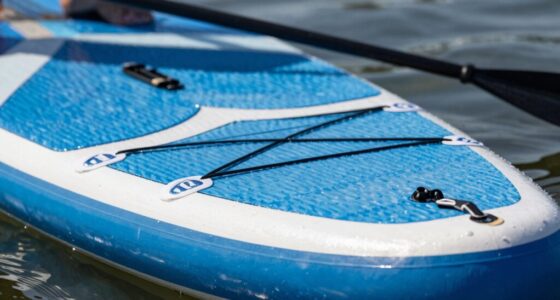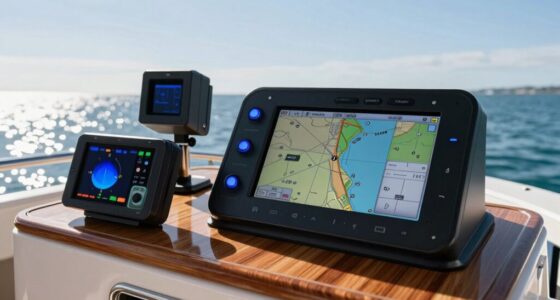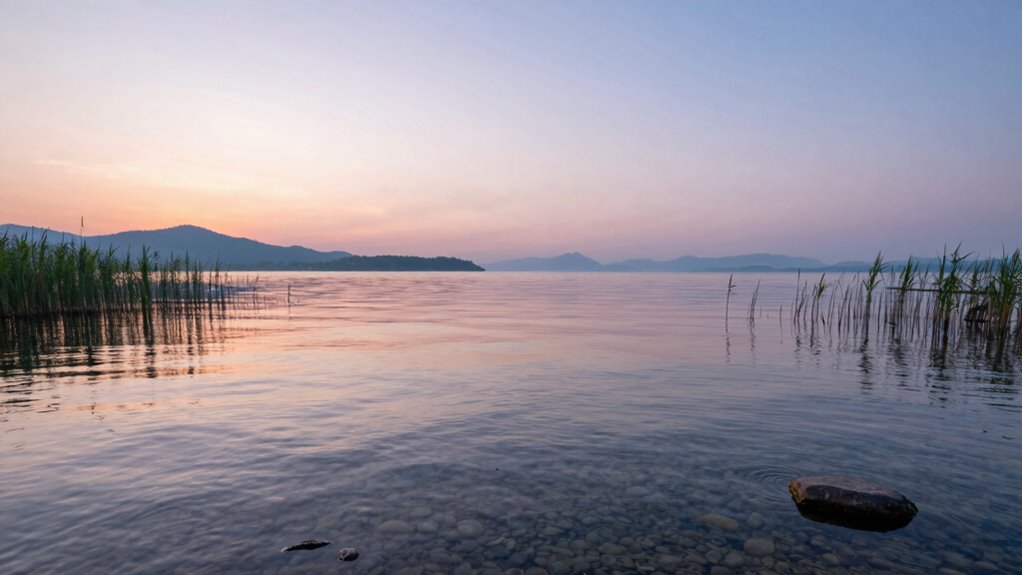

Paddling on calm lake water teaches you essential skills like balancing, steering, and controlling your paddle with precision. It helps you understand how your equipment responds to different water movements and trains you to stay confident in a low-pressure setting. You also learn to read water behavior and environmental cues, preparing you for more unpredictable ocean conditions. Keep exploring, and you’ll discover how these lessons set a strong foundation for safe, enjoyable ocean paddling.

Get pool and patio gear delivered free with Prime
- Fast, free delivery on millions of items
- Prime Video, Amazon Music and more included
- Member-only deals all year
Key Takeaways
- It helps you understand water behavior and environmental cues crucial for navigating ocean conditions.
- It builds fundamental paddling techniques and control in a low-pressure setting.
- It develops confidence and decision-making skills necessary for safe ocean paddling.
- It teaches safety protocols and emergency responses before facing unpredictable sea conditions.
- It allows you to practice equipment handling and balance essential for open water challenges.
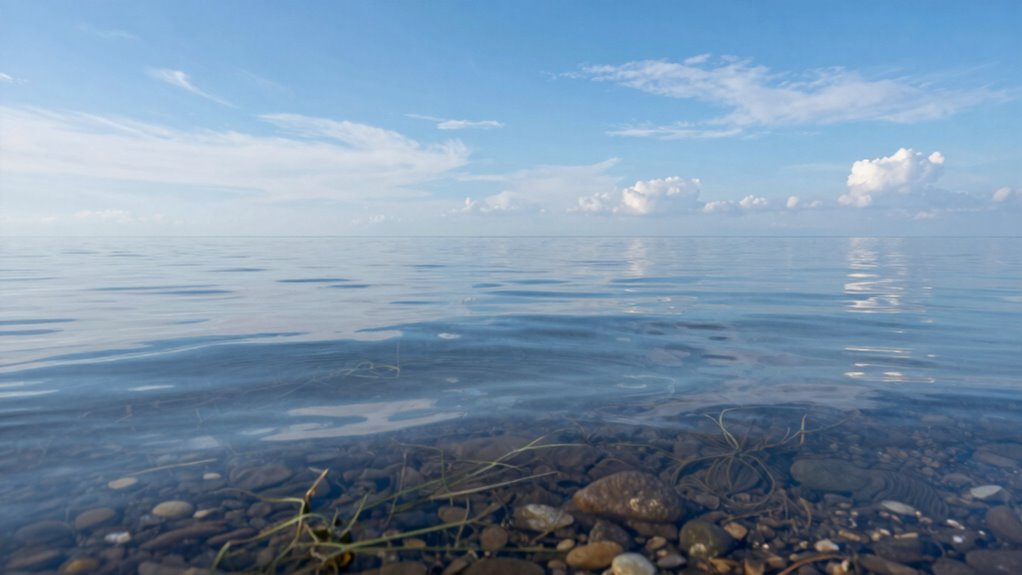
Before you take on the vast, unpredictable ocean, mastering the art of paddling on calm lake water is essential. Lakes provide a controlled environment where you can learn fundamental paddling techniques without the immediate pressure of rough waves or strong currents. During this phase, paying attention to your safety gear becomes crucial. Proper safety equipment, such as a life jacket, whistle, and a leash for your paddle, guarantees you’re prepared for unexpected situations. While lakes are generally calmer than oceans, conditions can change quickly, especially if the weather shifts. Always check the weather forecast before heading out and keep an eye on the sky while you paddle. Understanding weather conditions helps you anticipate changes that could affect your safety, like sudden gusts of wind or a developing storm.
Master calm lake paddling first; always check weather and wear proper safety gear for a safe, confident start.
Paddling on calm lake water teaches you how to balance, steer, and control your movements with precision. The stillness allows you to focus on your technique without the distraction of choppy waters. You learn how to distribute your weight properly, use your core muscles, and maneuver your paddle efficiently. This foundation is essential because it builds your confidence and helps you develop a sense of how your equipment responds in different situations. As you become more comfortable, you start to notice subtle shifts in the water’s surface and learn how to adapt your paddling accordingly. Developing good judgment about when to go out and when to stay ashore is a key lesson learned on calm lake water. It’s also a chance to practice safety protocols, such as capsizing recovery and communication signals, in a controlled environment.
Additionally, practicing on calm water helps you build familiarity with water behavior, which is vital for handling unpredictable ocean conditions. Recognizing how wind, weather, and water movements interact is crucial for safe ocean paddling. Understanding these environmental factors enhances your ability to anticipate and respond to changing water conditions. This preparation not only improves your technical skills but also enhances your ability to stay calm and make informed decisions when faced with changing conditions. When you’re ready to venture into the open sea, you’ll do so with a solid understanding of how to stay safe and adapt to changing conditions. This preparation guarantees that your ocean experience is both enjoyable and secure, rooted in the lessons learned from the quiet, steady waters of the lake.
As an affiliate, we earn on qualifying purchases.
Frequently Asked Questions
How Does Lake Water Compare to Ocean Water in Temperature?
You’ll find freshwater lakes generally have a more stable temperature than ocean water, thanks to less thermal variation. Lakes tend to warm up quickly in summer and cool down faster in winter, displaying noticeable temperature changes. In contrast, ocean water’s vast, salty expanse buffers temperature fluctuations, maintaining a more consistent temperature year-round. This contrast teaches you to respect the ocean’s stability, while lakes remind you of nature’s quick shifts.
What Safety Gear Is Essential for Calm Lake Paddling?
Imagine you’re a brave explorer, like a modern-day pirate, on calm lake waters. You need a life jacket to stay afloat and a safety whistle to call for help if needed. These are the essential safety gear for calm lake paddling. The life jacket keeps you buoyant, while the whistle alerts others if you encounter trouble. Always wear your gear, stay alert, and enjoy your peaceful adventure on the water.
Can Skills Learned on a Lake Transfer to Ocean Paddling?
Yes, skills learned on lake paddling easily transfer to ocean paddling. When you practice on a calm lake, you develop essential techniques like balance, steering, and paddle strokes, which are crucial in the ocean. However, the ocean introduces factors like waves and currents, so you’ll need to adapt. The foundational skills from lake paddling build your confidence and safety, making the shift smoother and more effective.
How Do Weather Conditions Differ Between Lakes and Oceans?
Did you know that ocean weather can change rapidly, with wind speeds reaching over 30 knots in just minutes? Unlike lakes, where weather is more predictable, oceans are influenced by larger, more dynamic systems. Freshwater ecosystems like lakes often have clearer water, but ocean conditions vary with shifting wind and currents. These differences mean you need to stay alert and prepared for sudden weather shifts when paddling in open waters.
What Are Common Beginner Mistakes in Lake Paddling?
As a beginner, you might forget about lake etiquette, like giving way to other paddlers and respecting wildlife, which can lead to conflicts. You may also struggle with paddle technique, such as improper stroke timing or grip, causing fatigue or inefficient movement. Focus on practicing smooth, controlled strokes and maintaining awareness of your surroundings. These small adjustments will boost your confidence and help you paddle more safely and enjoyably on calm lake waters.
Conclusion
So, next time you step onto that calm lake, remember it’s the perfect practice ground. You’d think the peaceful waters would lull you into complacency, but they actually prepare you for the chaos of the ocean. Ironically, it’s the serenity that sharpens your skills—teaching patience, control, and awareness. Because when the waves come, you’ll realize those quiet lakes were your real training ground, and what once seemed so simple now feels like second nature.
Halloween Picks
halloween
As an affiliate, we earn on qualifying purchases.