The most overlooked water sports skill isn’t physical strength, but water awareness and intuition. You must observe water surface patterns, currents, and tides to anticipate changes and stay safe. Recognizing subtle cues helps you respond accurately and prevents accidents. Properly maintaining your gear also plays a role. Developing this skill takes practice and patience, but it greatly improves your experience and safety on the water. Keep exploring, and you’ll discover how mastering water understanding makes all the difference.

Get pool and patio gear delivered free with Prime
- Fast, free delivery on millions of items
- Prime Video, Amazon Music and more included
- Member-only deals all year
Key Takeaways
- Water reading enhances anticipation of waves and currents, crucial for safety and performance.
- Observing water cues improves hazard recognition and early risk management.
- Developing intuition and awareness is vital, often more than physical strength.
- Regular equipment checks ensure predictable gear response, supporting better water understanding.
- Cultivating a proactive mindset and attention to detail elevates overall water sport skills.

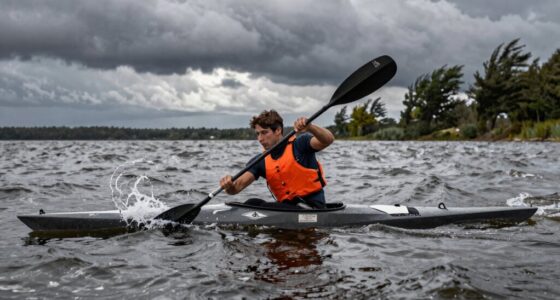
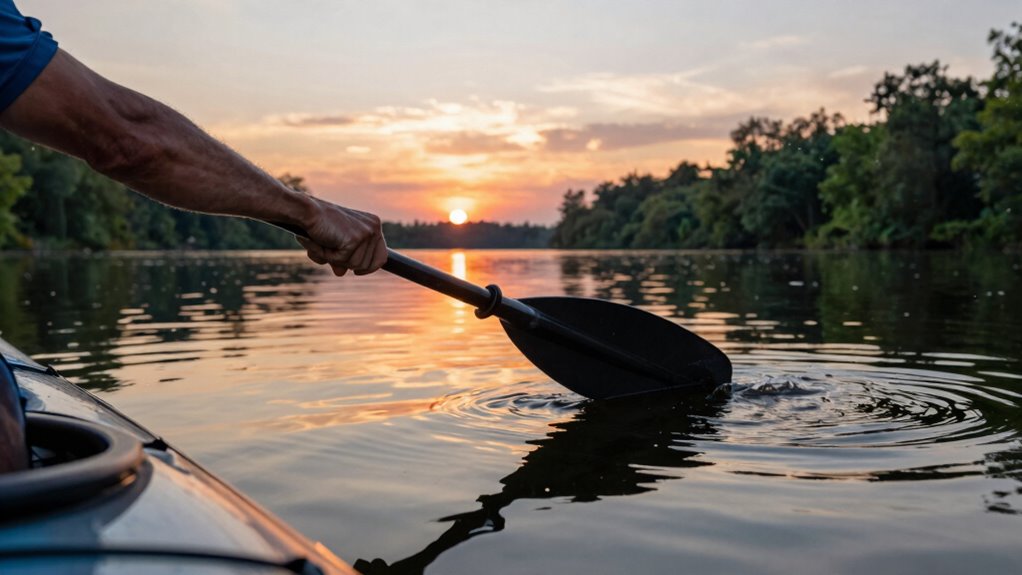
When it comes to mastering water sports, most enthusiasts focus on speed, tricks, or endurance, but there’s a vital skill that often gets overlooked: water reading. This skill involves understanding the movement and behavior of water around you—waves, currents, and tides—so you can anticipate what’s coming next. It’s not about physical strength; it’s about awareness and intuition. If you can read the water well, you’ll stay safer, perform better, and enjoy your time on the water more confidently. Developing water reading skills starts with paying close attention to your environment. Before you even step onto your board or boat, observe the water’s surface. Look for patterns in the waves, signs of changing currents, or shifts caused by wind. When you’re out in the water, continue to monitor these elements constantly. Notice how the water reacts when you move or when the weather changes. Recognizing these subtle cues allows you to make smarter decisions, whether you’re catching a wave or avoiding dangerous rip currents. This awareness is directly linked to water safety because understanding water behavior helps you identify hazards before they become threats. Knowing how to react to sudden changes in water movement can prevent accidents and save lives. Gaining a deeper understanding of water behavior patterns can significantly improve your ability to anticipate water movements and hazards more accurately. Additionally, understanding the importance of environmental cues enhances your overall water reading skills by making you more perceptive of your surroundings. Incorporating local water conditions into your assessment routines can further refine your water reading abilities, especially when navigating unfamiliar waters. Staying informed about changing weather patterns can also enhance your readiness and responsiveness in the water. Equally important is integrating water reading with good equipment maintenance. Well-maintained gear responds better to your commands and behaves more predictably in the water. For example, a surfboard with a damaged fin or a paddle with a loose handle can make it harder to control your movement or respond to water conditions. Regularly inspect your equipment before each session—check for cracks, loose parts, or signs of wear. Proper maintenance ensures your gear performs optimally, giving you the confidence to focus on reading the water rather than fighting your equipment. When your equipment is in top shape, it becomes an extension of your awareness, allowing you to react swiftly and accurately to water changes. Moreover, developing a keen eye for detail enhances your ability to interpret water cues effectively. In the end, water reading isn’t just a skill; it’s a mindset. It requires practice, patience, and a keen eye for detail. By combining this skill with diligent equipment maintenance and a focus on water safety, you create a stronger foundation for enjoying water sports responsibly. It’s not the most glamorous aspect, but it’s arguably the most crucial—your ability to understand and adapt to water’s unpredictable nature. Mastering water reading elevates your water sports experience, making every ride safer, smoother, and more enjoyable.
As an affiliate, we earn on qualifying purchases.
Frequently Asked Questions
How Does Mental Focus Impact Water Sports Performance?
Your mental focus profoundly impacts your water sports performance. When you develop mental resilience, you stay calm under pressure, making better decisions in challenging conditions. Using concentration techniques, like visualization or breathing exercises, helps you stay present and sharp. This mental clarity allows you to react quickly, maintain control, and improve your overall skill. Ultimately, sharpening your mental focus enhances your confidence and performance on the water.
Can Visualization Techniques Improve Water Sports Skills?
Imagine you’re a modern-day Leonardo, and mental rehearsal becomes your secret weapon. Visualization techniques help you mentally rehearse moves, boosting confidence and muscle memory. By vividly imagining success, you prepare your mind and body for real performance. When you practice visualization techniques regularly, you’ll notice improvements in your water sports skills, as your mind aligns with your physical efforts, making challenging maneuvers feel more natural and achievable.
What’s the Role of Breathing Control in Water Sports?
Breath regulation plays a vital role in water sports by helping you stay calm, conserve energy, and maintain control. Developing respiratory awareness allows you to manage your breathing effectively, especially in challenging situations like rough waters or dives. When you focus on breath regulation, you improve your endurance and reduce panic, making you more confident and safer in the water. Mastering these skills can greatly elevate your overall performance.
How Important Is Hydration for Water Sports Success?
Hydration is essential for your water sports success because it keeps your energy high, your muscles functioning well, and your focus sharp. Prioritize hydration awareness to prevent dehydration, maintain electrolyte balance, and avoid fatigue. Drinking water regularly, replenishing electrolytes, and listening to your body guarantee you’re prepared for every wave or stroke. Staying hydrated isn’t just a habit; it’s a critical part of performing at your best in water sports.
Does Positive Mindset Influence Water Sports Skill Development?
Yes, a positive mindset profoundly influences your water sports skill development. When you focus on mindset resilience, you’re better equipped to handle setbacks and stay motivated. Confidence building helps you trust your abilities, making you more willing to try new techniques and push your limits. This mental strength boosts your performance, keeps you calm under pressure, and accelerates your overall progress, turning challenges into opportunities for growth.
Conclusion
Remember, mastering the subtle art of reading the water’s language isn’t just a skill — it’s your secret weapon on any water adventure. Like a lighthouse guiding ships through fog, your intuition and awareness can steer you clear of danger and toward true harmony with the waves. Don’t overlook this quiet power; it’s the heartbeat of every confident, safe, and exhilarating water experience. Trust it, and let it be your compass on every splash-filled journey.
Halloween Picks
halloween
As an affiliate, we earn on qualifying purchases.