
The quickest way to shake your confidence during water entry is losing control of your breath or equipment. When you panic, you may inhale water or become awkward, making the experience overwhelming. Fumbling with unfamiliar gear can cause turbulence and disrupt your focus. To stay confident, it’s essential to practice proper breath control, familiarize yourself with your equipment, and prepare mentally beforehand. There’s more to discover that can help you master safe, smooth water entries.

Get pool and patio gear delivered free with Prime
- Fast, free delivery on millions of items
- Prime Video, Amazon Music and more included
- Member-only deals all year
Key Takeaways
- Losing control of breath during water entry causes panic and awkward splashes, quickly shaking beginner confidence.
- Fumbling with unfamiliar equipment leads to turbulence and feelings of disorganization underwater.
- Poor breath control results in inhaling water, increasing discomfort and reducing confidence rapidly.
- Inadequate equipment fit or handling causes leaks or flooding, undermining a beginner’s sense of safety.
- Rushing the water entry without proper mental or practical preparation triggers fear and hesitation.

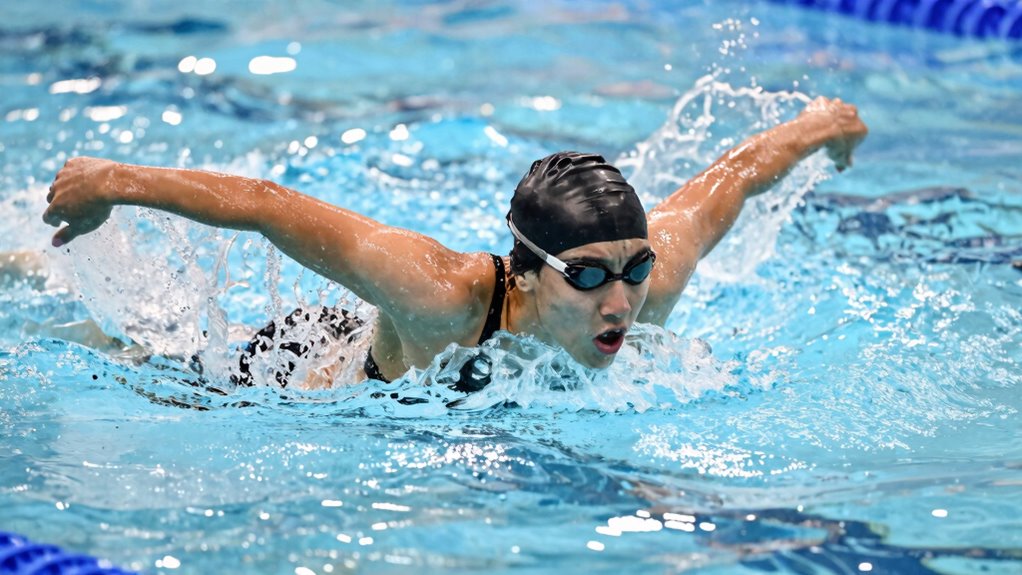
For beginners, making a mistake during water entry can be a discouraging experience that shakes their confidence. It’s a common hurdle, especially when you’re just starting to learn how to dive or swim underwater. One of the most frequent errors is losing control of your breath during entry, which can lead to panic and an awkward splash. When you don’t have good breath control, you’re more likely to inhale water or feel overwhelmed by the sudden immersion. This, combined with unfamiliarity with your equipment, can make the entire process feel intimidating.
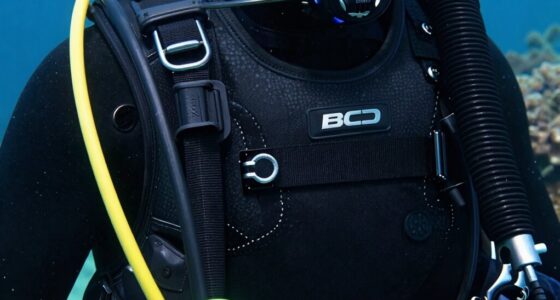
Familiarity with your gear plays an essential role in preventing this mistake. If you’re unsure about how your mask, fins, or wetsuit fit, you might fumble during entry, causing unnecessary turbulence or discomfort. For example, a loose mask can flood easily, forcing you to stop and readjust, which disrupts your rhythm and heightens anxiety. When you know your equipment well, you can focus on smooth, controlled movements instead of worrying about leaks or discomfort. Practicing how your gear feels in and out of the water builds confidence, making your water entry more fluid and less stressful. Additionally, understanding equipment fit and how to troubleshoot common issues can help you stay calm and prepared during your dive. Developing proper gear handling skills can further reduce the chances of mishaps during entry.
Knowing your gear well ensures smoother, more confident water entries with less stress and fewer disruptions.
It’s also helpful to become familiar with equipment maintenance to ensure all components are functioning correctly before each dive, reducing last-minute surprises. Familiarity with your gear allows for smooth water entry, which is crucial for confidence and safety.
Breath control is equally important. Before you even step into the water, take time to practice controlled breathing. Learning to breathe steadily and deeply helps you stay calm during entry. When you’re relaxed, your body naturally responds better to water immersion, and you’re less prone to panic if things don’t go perfectly. A good rule is to exhale slowly through your nose or mouth as you go in, preventing water from rushing in and reducing the risk of inhaling unwanted water. Developing this habit takes practice, but it pays off by making your water entry smoother and more confident. Practicing breath control techniques regularly can significantly improve your overall water confidence and ease during dives.
Another key aspect is mentally preparing yourself before each dive. Visualize the entry, focus on your breath, and double-check your equipment. When you approach the water with a clear plan and familiarity, it becomes easier to execute the entry with control rather than rushing or panicking. Practice in shallow water first, where you can easily correct mistakes without feeling overwhelmed, and gradually build your comfort level. Over time, your confidence will grow as you master combining breath control with equipment familiarity, making your water entries seamless and less intimidating.
scuba diving mask with adjustable strap
As an affiliate, we earn on qualifying purchases.
As an affiliate, we earn on qualifying purchases.
Frequently Asked Questions
How Do I Know if I’Ve Made the Water Entry Mistake?
You’ll know you made the water entry mistake if you struggle with breath control and poor body positioning upon hitting the water. You might feel shock or panic, and your body could jerk or splash excessively. Instead, focus on maintaining proper body positioning and controlled breathing. If these elements feel off or unsteady during entry, it’s a sign you need to adjust your technique to build confidence and improve your water entry skills.
Can This Mistake Be Fixed Mid-Swim?
Yes, you can fix your water entry mistake mid-swim. Focus on refining your entry technique by staying calm and confident, which helps build stronger confidence building skills. Adjust your body position, streamline your form, and practice controlled entries to improve your technique. Remember, perseverance pays off—each corrected entry boosts your confidence, making future entries smoother and more successful. Keep practicing patiently, and you’ll see progress swiftly!
Does This Error Affect Overall Swimming Safety?
Yes, this error can impact your overall swimming safety. It’s vital to follow safety precautions, like maintaining proper technique and staying aware of your surroundings. Regular equipment checks guarantee your gear is in good shape, reducing risks. Correcting your water entry early helps prevent accidents and builds confidence. By focusing on these safety measures, you can enjoy swimming more safely and avoid potential injuries caused by this common mistake.
Are There Specific Water Entry Techniques to Avoid This Mistake?
Yes, there are specific water entry techniques to avoid this mistake. You should focus on breath control and body positioning before entering the water. Practice controlled exhalations as you approach the water, and keep your body aligned to minimize splash and impact. Proper technique helps you stay relaxed, reduces shock, and boosts confidence, ensuring a smoother, safer entry every time.
How Long Does It Typically Take to Regain Confidence After the Mistake?
It usually takes a few swimming sessions to regain your confidence after a mistake. Focus on breath control and body positioning to rebuild trust in your skills. Practice slow, controlled entries, aligning your body properly and breathing steadily. As you refine these techniques, you’ll start feeling more comfortable and confident in the water, gradually overcoming that initial hesitation and restoring your self-assurance in your swimming ability.
Conclusion
Remember, every splash is just a splash of growth. Mistakes like shaky water entries are like ripples—you’ll learn to ride them instead of drown in them. Keep your confidence steady as a lighthouse guiding you through stormy waters. With each dive, you’ll carve a smoother path through the waves. So, don’t let a wobble sink your spirit; instead, see it as a wave to surf on toward mastery. Your confidence will soon shine brighter than the sun on calm waters.
Halloween Picks
halloween
As an affiliate, we earn on qualifying purchases.