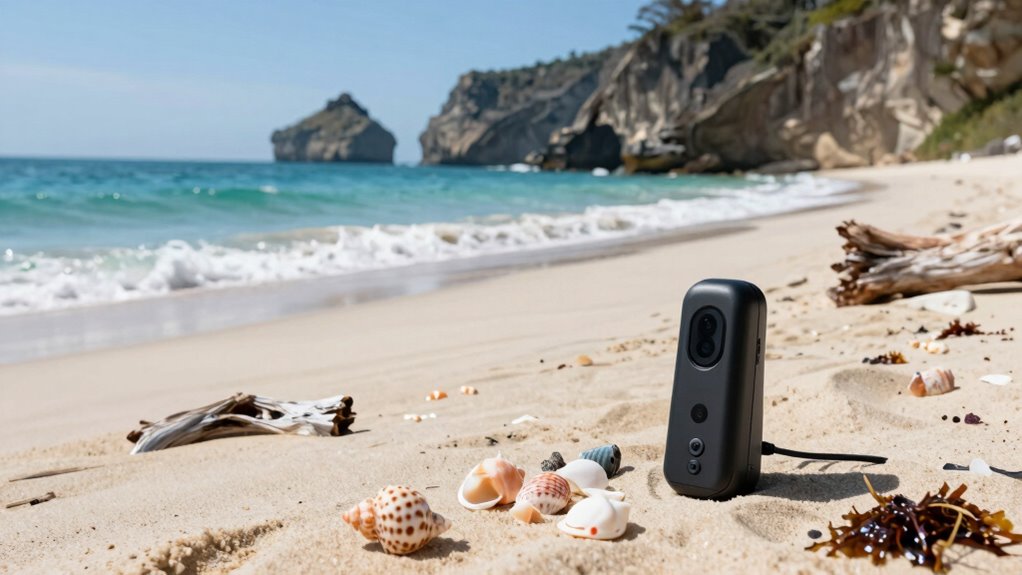

Developing an ocean observation habit makes each beach trip more fascinating by encouraging you to notice tidal patterns, marine life behaviors, and environmental changes. As you observe the ebb and flow of tides, you’ll discover hidden tidal pools and learn how species adapt to shifting conditions. By paying close attention to subtle cues like water clarity or seabird activity, you deepen your connection with the ocean’s rhythms. Keep exploring, and you’ll reveal even more ways to make your beach visits truly enriching.

Get pool and patio gear delivered free with Prime
- Fast, free delivery on millions of items
- Prime Video, Amazon Music and more included
- Member-only deals all year
Key Takeaways
- Track tidal patterns to anticipate marine activity and discover new tidal pools during each visit.
- Observe changes in water color, clarity, and marine life behaviors to understand ecological health.
- Use simple tools like notebooks or apps to document and analyze ocean and shoreline patterns.
- Recognize signs of environmental shifts, fostering a deeper connection and conservation awareness.
- Focus on the natural rhythms and behaviors of marine species to transform beach visits into educational experiences.
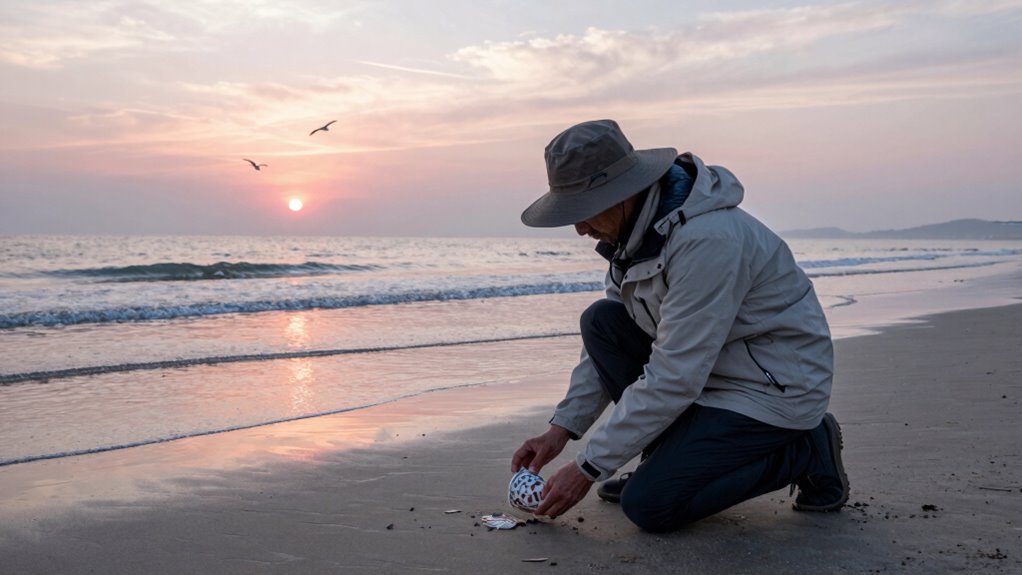
Developing an ocean observation habit allows you to connect more deeply with the marine environment and understand its changing patterns. When you start paying close attention to the ocean during your beach trips, you’ll notice the intricate dance of marine life and the rhythmic ebb and flow of tidal patterns. These small observations can transform a simple visit into a fascinating exploration of nature’s daily routines. As you watch, you might see schools of fish darting near the surface or seabirds swooping down to catch their prey, revealing the vibrant activity beneath the water’s surface. Recognizing these signs helps you appreciate how marine life responds to the tides and the changing conditions around you.
Developing an ocean observation habit deepens your connection with marine life and natural tidal rhythms.
By observing tidal patterns, you gain insight into the ocean’s rhythm and how it influences everything around it. You’ll notice that at low tide, the shoreline reveals tidal pools brimming with tiny crabs, starfish, and anemones, while high tide brings the water back, submerging these creatures and reshaping the landscape. Tracking these patterns over days or weeks helps you predict when certain marine life will be most visible or active. This awareness makes your beach trips more intentional and educational, granting you a firsthand understanding of the ocean’s natural schedule. Developing this biodiversity awareness can deepen your appreciation for the diverse species that inhabit coastal environments. Additionally, understanding the ecological health of the area can help you recognize signs of environmental change or stress. Recognizing the importance of marine ecosystems can further enhance your understanding of their vital role in maintaining ecological balance. Incorporating environmental monitoring techniques, even informally, can give you a clearer picture of the ocean’s health over time. Moreover, paying attention to subtle environmental cues can help you develop a sense of environmental shifts, which is essential for fostering a conservation-minded perspective.
Fostering this habit also sharpens your ability to spot subtle changes in the environment. You might observe shifts in the behavior of seabirds, the emergence of new marine species, or variations in water color and clarity. These details tell a story of ecological health and seasonal shifts that you can follow if you pay close attention. Over time, you’ll develop a more nuanced appreciation for the delicate balance that sustains marine ecosystems and how human activity might impact them.
Engaging with the ocean through observation doesn’t require special tools—just your curiosity and a keen eye. Bring a notebook to jot down what you see, or simply pause to reflect on the patterns unfolding before you. As your understanding deepens, your trips become more meaningful, revealing the complexity behind each tide and every splash of marine life. This habit doesn’t just make your visits more interesting; it enriches your connection to the ocean, transforming a casual stroll into a learning experience that enhances your appreciation for this vast, dynamic world beneath the waves.
marine life observation binoculars
As an affiliate, we earn on qualifying purchases.
As an affiliate, we earn on qualifying purchases.
Frequently Asked Questions
How Often Should I Observe the Ocean During a Trip?
You should observe the ocean regularly during your trip, ideally every hour or so, to truly appreciate its changing moods and marine life. This habit enhances your ocean photography and deepens your connection to marine conservation efforts. By frequently watching the waves, you notice details others miss, making your experience more enriching. Consistent observation not only improves your photos but also helps you understand and protect the ocean better.
What Tools or Equipment Are Helpful for Ocean Observation?
You’ll find marine binoculars essential for clear, distant views of marine life and distant ships. Waterproof notebooks are perfect for jotting down observations or sketching interesting sights without worry about water damage. Carry these tools with you, and you can effortlessly enhance your beach trips by observing wildlife, tracking bird migrations, or noting changes in the ocean’s surface. These simple tools make every beach visit more engaging and memorable.
Can Ocean Observation Improve My Understanding of Marine Life?
By observing marine behavior during your beach visits, you can deepen your understanding of underwater ecosystems. For example, noticing how schools of fish respond to predators reveals predator-prey dynamics. This firsthand experience highlights how marine creatures interact and adapt, enriching your knowledge of marine life. Regular observation helps you recognize patterns, behaviors, and relationships within underwater ecosystems, making your trips more insightful and connected to the complex world beneath the waves.
Is There a Best Time of Day for Ocean Observation?
You’ll find early mornings and late afternoons ideal for ocean observation, as tidal patterns are most noticeable then. During these times, the water levels shift, revealing marine life and coastal features. Keep an eye on weather conditions too—calm days with little wind make for clearer, more engaging experiences. By choosing these times, you’ll enhance your understanding of marine environments and enjoy more dynamic, interesting beach trips.
How Can I Record and Share My Ocean Observations?
Like a modern-day explorer, you can record and share your ocean observations through marine photography and tide tracking apps. Snap striking images of marine life or the changing shoreline, then log tide levels and weather conditions. Use social media or dedicated platforms to showcase your findings, inspiring others to appreciate the ocean’s rhythms. This way, your observations become part of a larger story, connecting you with fellow ocean enthusiasts worldwide.
Conclusion
So, next time you hit the beach, make ocean observation your secret weapon. With every glance, you discover stories hidden beneath the waves, turning a simple trip into a voyage of discovery. Like a treasure hunter seeking clues in the tide, you’ll find wonder in the smallest details—the ripple of a fish, the dance of a seagull. Embrace this habit, and watch your beach days transform into endless adventures—an open book waiting to be read by your curious eyes.
Halloween Picks
halloween
As an affiliate, we earn on qualifying purchases.