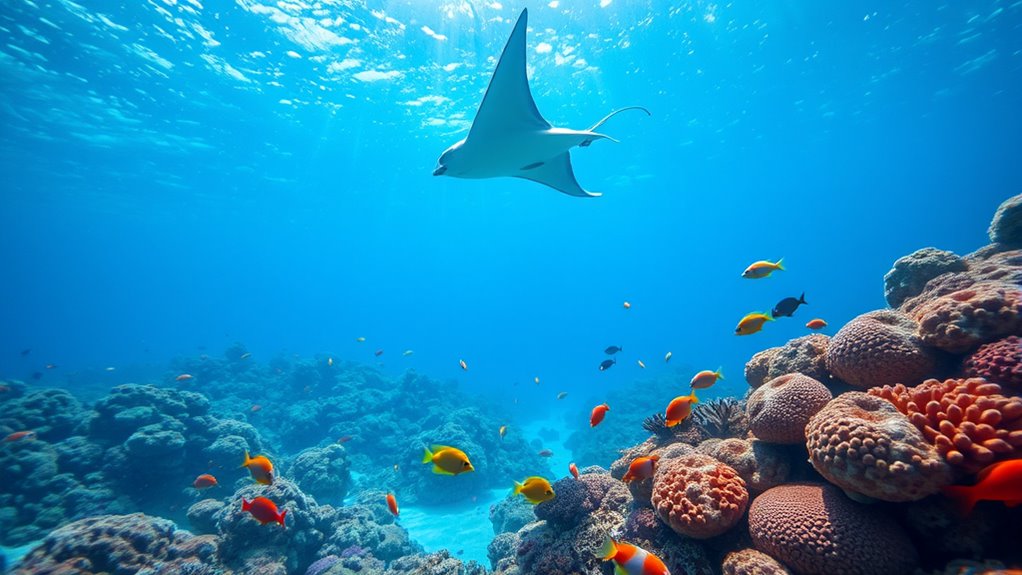

To protect marine life, you should avoid single-use plastics, dispose of waste properly, and choose eco-friendly gear made from sustainable or biodegradable materials. Participating in beach cleanups and spreading awareness helps reduce floating debris that harms ecosystems. Supporting policies for waste management and sustainable fishing further safeguards waters. Small daily actions, like refusing plastic straws or using reusable bags, can make a big difference. Keep exploring to discover more ways you can help preserve our oceans.
Key Takeaways
- Reduce floating debris by properly disposing of waste and avoiding single-use plastics.
- Use eco-friendly gear made from sustainable or biodegradable materials to minimize environmental impact.
- Participate in beach cleanups and spread awareness about marine pollution and its effects on marine life.
- Support policies and brands that promote sustainable fishing, waste management, and eco-conscious practices.
- Make daily behavioral changes, like refusing plastic straws and using reusable bags, to protect marine ecosystems.
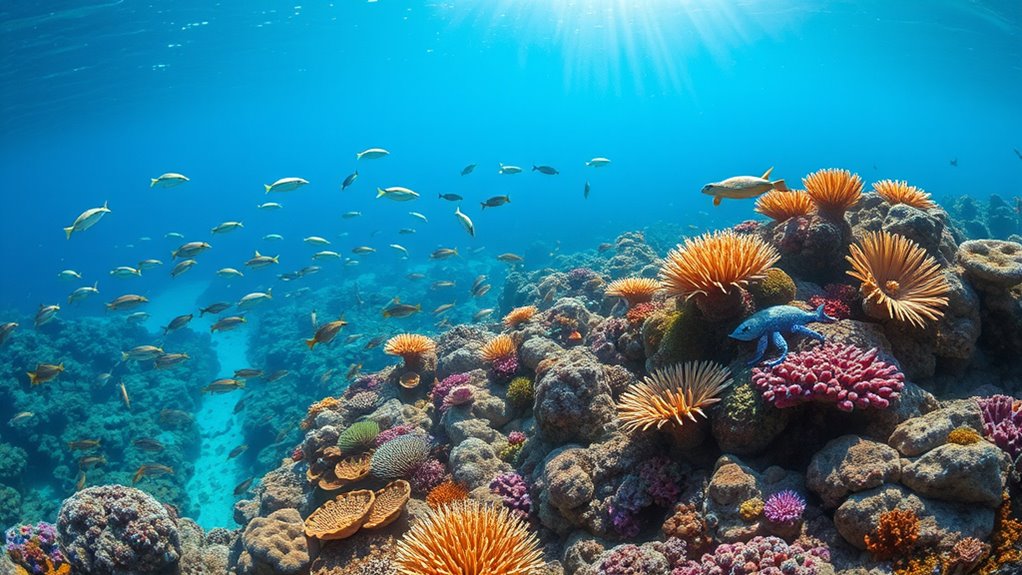
Have you ever wondered how floating debris impacts marine life? It’s a pressing concern that affects the health of our oceans and the creatures that call them home. Every piece of trash that drifts into the water can pose serious threats to marine animals, from entanglement to ingestion, disrupting entire ecosystems. To combat this, adopting eco friendly gear becomes vital. When you choose products made from sustainable materials, you reduce the amount of harmful waste entering the ocean. Using biodegradable or reusable items during your marine activities helps lessen your ecological footprint, making a tangible difference in marine conservation efforts. Small changes, like opting for eco friendly gear, can collectively lead to significant positive outcomes for marine environments, especially when many individuals participate.
Engaging in marine conservation isn’t just about big projects or government initiatives; it’s about personal responsibility. When you’re aware of how your actions influence marine ecosystems, you’re better equipped to make conscious decisions. For example, avoiding single-use plastics and properly disposing of waste prevents debris from becoming floating trash that threatens marine life. Participating in local beach cleanups, supporting organizations dedicated to marine protection, and spreading awareness about the impacts of floating debris all contribute to a healthier ocean. Education plays a vital role—learning about the importance of keeping our waters clean helps you understand why every effort matters. Marine conservation isn’t just a distant goal; it’s a daily practice that begins with mindful choices on your part. Recognizing the importance of marine ecosystems can motivate more sustainable behaviors.
Furthermore, advocating for policies that support sustainable fishing, waste management, and reduction of plastic use amplifies your impact. When you support eco friendly gear brands and initiatives that prioritize environmental responsibility, you’re pushing industries to adopt more sustainable practices. Remember, marine life is incredibly resilient but can’t recover if we continue to pollute their habitats. By practicing responsible behavior, you help ensure that future generations inherit vibrant, thriving oceans. Your choices influence not only your immediate environment but also inspire others to follow suit. Small acts like refusing plastic straws, carrying reusable bags, or choosing eco-friendly apparel all add up in the grand scheme of marine conservation.
Frequently Asked Questions
How Can I Identify Protected Marine Species While Snorkeling?
To identify protected marine species while snorkeling, pay close attention to their unique features and behaviors. Use species identification guides or apps to help recognize them. Follow snorkeling tips like moving slowly, observing from a distance, and avoiding touching or disturbing marine life. Respect protected species by not attempting to handle or feed them, and stay within designated snorkel areas to minimize your impact and ensure their safety.
What Are the Legal Penalties for Harming Marine Life?
Did you know that violating marine protection laws can lead to fines up to $50,000 or even imprisonment? If you harm protected marine species, you face serious penalties for violations. These laws are in place to preserve our oceans’ delicate ecosystems. You could also be required to pay restitution or face license suspension. Always respect marine life, as legal consequences are severe and aim to protect our essential underwater habitats.
How Does Boat Noise Affect Underwater Ecosystems?
Boat noise causes significant underwater sound pollution, which disrupts marine ecosystems. You might not realize it, but your vessel’s engine and propellers create loud noises that disturb marine habitat. This disturbance can disorient marine animals, interfere with their communication and navigation, and even lead to habitat abandonment. By reducing noise levels and following best practices, you can help protect underwater ecosystems from the harmful effects of boat noise and marine habitat disturbance.
Are There Eco-Friendly Alternatives to Traditional Floating Devices?
Just like the Earth’s natural balance, there are eco-friendly options for floating devices. You can opt for biodegradable floats made from sustainable materials, which break down without harming marine life. These alternatives reduce plastic waste and lessen environmental impact, much like a gentle ripple in a pond. By choosing biodegradable and sustainable materials, you help protect underwater ecosystems while enjoying your time on the water.
How Can I Support Marine Conservation Efforts Locally?
You can support marine conservation locally by advocating for sustainable fishing practices and participating in marine habitat restoration projects. Join local groups that promote responsible fishing, reduce your consumption of overfished species, and volunteer for beach cleanups or habitat restoration efforts. Raising awareness and educating others about protecting marine ecosystems helps guarantee healthy oceans. Your active involvement directly contributes to preserving marine life and maintaining the balance of local aquatic environments.
Conclusion
As you embrace floating and marine activities, remember that every mindful choice you make echoes through the ocean. It’s no coincidence that small actions—like avoiding litter or respecting marine life—can create ripples of change. When you protect these vibrant ecosystems, you become part of a larger story—one where your care sustains the beauty you cherish. So, keep awareness close; your mindful habits guarantee these wonders will thrive for generations to come.